
Chainmail Arm Guards for Professional Knife Users
When it comes to working with knives, whether in an industrial kitchen, a butcher’s shop, or a historical reenactment, safety is paramount. One key item that many professionals turn to for protection is chainmail arm guards. These gloves and arm protectors are designed to shield users from sharp objects, but how can you be sure that the chainmail you’re buying is genuinely up to the task? The reality is, not all chainmail products are created equal. Many look great on the surface, but they may not offer the durability or protection you need.
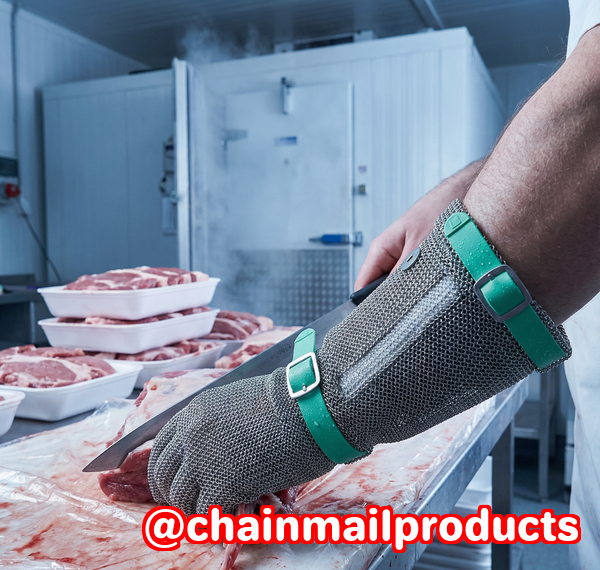
This guide is here to help you navigate the world of chainmail arm guards. I’ll walk you through the key factors to consider when evaluating chainmail quality, ensuring that you make an informed purchase, whether you’re a professional knife user, a collector, or a cosplay enthusiast.
Understanding the Challenge
As a professional knife user, you’re likely well aware of the need for protective gear. But chainmail isn’t just about looking cool in a costumeit’s a vital piece of safety equipment in many industries. From butchery and food processing to industrial knife work, the right chainmail can make all the difference in avoiding injuries. However, with the rise of low-quality products flooding the market, it’s becoming increasingly difficult to tell the difference between reliable and subpar chainmail.
A common concern I hear from buyers is, “How do I know if the chainmail I’m buying will actually protect me, or if it’s just for show?” That’s where the importance of understanding chainmail quality comes in.
Common Pain Points When Evaluating Chainmail
Let’s take a look at some of the biggest challenges people face when shopping for chainmail arm guards.
1. Welded Rings vs. Open Rings: What’s the Difference?
One of the first things you’ll notice when inspecting chainmail is the structure of the rings. Chainmail typically comes in two forms: welded rings and open rings. Welded rings are the most durable because they’re made from individual rings that are fused together, creating a strong bond that doesn’t easily break apart. Open rings, on the other hand, are just twisted closed, which makes them more prone to breaking under stress.
A lot of low-quality chainmail uses open rings for decorative purposes, but they won’t provide the protection you need in an industrial or professional setting. That’s why I always recommend looking for chainmail with welded ringsespecially if you’ll be using the product for cut-resistant purposes.
2. Corrosion Resistance: The Stainless Steel Dilemma
Chainmail arm guards are often made from stainless steel, but not all stainless steel is created equal. There are two common grades to look for: 304 stainless steel and 316 stainless steel. Both are resistant to corrosion, but 316 stainless steel offers superior resistance, especially in harsh environments like kitchens or food processing plants.
304 stainless steel is fine for most applications, but if you’re working in a particularly humid environment or exposed to a lot of food acids, 316 stainless steel will last longer and maintain its strength over time.
3. Weave Patterns: The Strength Factor
The way the rings are woven together affects the overall strength and durability of the chainmail. One of the most common weaves you’ll encounter is the European 4-in-1 weave. This pattern is a classic and reliable choice because it offers a good balance between flexibility and strength. However, not all weaves are created equal, and you’ll want to check the consistency and quality of the weave before making a purchase.
A poorly woven piece of chainmail might look fine at first glance, but it could easily unravel or lose its integrity under pressure. That’s why a good inspection of the weave pattern is crucial.
How to Inspect Chainmail Quality
Now that we’ve covered the common pain points, let’s dive into how you can inspect chainmail arm guards for quality.
1. Check the Material Type
The material should be stainless steel, either 304 or 316, as we discussed earlier. 304 stainless steel is a good all-purpose material, while 316 stainless steel is more resistant to corrosion. You should always ask the seller about the specific grade of steel used in their product. If you can’t find this information readily available, that’s a red flag.
2. Inspect the Ring Welding
Take a close look at the rings. They should be welded shut, with no visible gaps. If the rings are simply twisted shut, you’re likely dealing with a lower-quality product. You can even perform a simple pull test by gently tugging on the rings. If they come apart easily, that’s a sign that the chainmail won’t hold up to the stress of professional use.
3. Assess the Wire Thickness and Ring Diameter
The wire thickness and the diameter of the rings are crucial factors in determining the durability of the chainmail. A thicker wire and a smaller inner diameter typically indicate a stronger and more durable product. If the wire is thin or the rings are too large, the chainmail may be more decorative than protective.
4. Evaluate the Weave Pattern
As mentioned earlier, the European 4-in-1 weave is a reliable choice for durability and protection. To check the quality of the weave, run your fingers across the surface of the chainmail. You should feel an even, consistent pattern. If the rings seem misaligned or the weave feels loose in places, you’re likely looking at a lower-quality product.
Benefits of Proper Chainmail Inspection
By performing these checks, you can avoid making costly and potentially dangerous mistakes when buying chainmail. Here are some of the benefits of properly inspecting chainmail:
-
Avoid unsafe chainmail for industrial or food-processing use: Low-quality chainmail may not protect you properly from sharp objects.
-
Ensure your decorative or cosplay chainmail meets durability standards: Even if you’re buying for a costume or historical reenactment, you don’t want your chainmail to fall apart after a few uses.
-
Save money: Identifying low-quality products helps you avoid wasting money on items that don’t meet your needs.
Conclusion: Make Informed Chainmail Purchases
When it comes to purchasing chainmail arm guards for knife work, whether in an industrial kitchen, a butchery, or a cosplay event, it’s essential to ensure the chainmail you choose is of high quality. I highly recommend following these inspection steps to ensure any chainmail purchase meets safety and durability standards.
If you want to take a deeper dive into the specifics of chainmail inspection, I encourage you to check out Aegimesh’s detailed Chainmail Inspection Guide today. Understanding what makes chainmail truly protective will give you peace of mind, knowing that your investment in safety is worthwhile.
FAQs
1. How can I tell if a chainmail ring is welded or open?
Welded rings are fused together with no visible gap, while open rings are simply twisted closed. Try gently pulling on the ringswelded rings will stay intact, while open rings may separate.
2. Which stainless steel grade is best for long-lasting chainmail?
316 stainless steel offers superior corrosion resistance and is best for environments where exposure to moisture or food acids is common. 304 stainless steel is suitable for most general purposes.
3. How do I inspect the weave pattern for strength?
Run your fingers across the surface of the chainmail. The weave should feel even and consistent. If there are gaps or the weave feels loose, the chainmail may not provide adequate protection.
4. What are the signs of low-quality or unsafe chainmail?
Signs of poor quality include open rings, thin wire, inconsistent ring sizes, and loose or uneven weaves. Such chainmail won’t stand up to heavy use and may fail under pressure.
5. Can decorative chainmail be used for protective purposes?
Decorative chainmail is typically weaker and more fragile than protective chainmail. It’s not recommended for industrial or knife work where cut resistance is essential.
6. How do I choose the right chainmail for industrial vs. cosplay use?
For industrial use, prioritize durability by choosing welded rings, thicker wire, and a strong weave pattern like European 4-in-1. For cosplay, you can focus more on appearance but still ensure that the material is durable enough for the intended use.
7. Can I use chainmail gloves for food handling?
Yes, high-quality, cut-resistant chainmail gloves are commonly used in food processing to protect workers from knives and slicers. Ensure they’re made from high-quality materials and feature welded rings for maximum safety.
If you’re looking for high-quality chainmail arm guards and other products, head to Aegimesh Chainmail to browse our collection and learn more.