
Chainmail Arm Guards for Professional Butchers: A Comprehensive Guide to Quality and Durability
When purchasing chainmail arm guards for professional butchers or industrial workers, the challenge often lies in distinguishing between high-quality, durable products and cheaper, less reliable imitations. As someone who has worked with chainmail for years, I know firsthand how confusing it can be to assess the true quality of these protective garments. Whether you’re handling sharp tools in a food-processing environment or simply trying to find durable, cut-resistant gear, it’s essential to get it right.
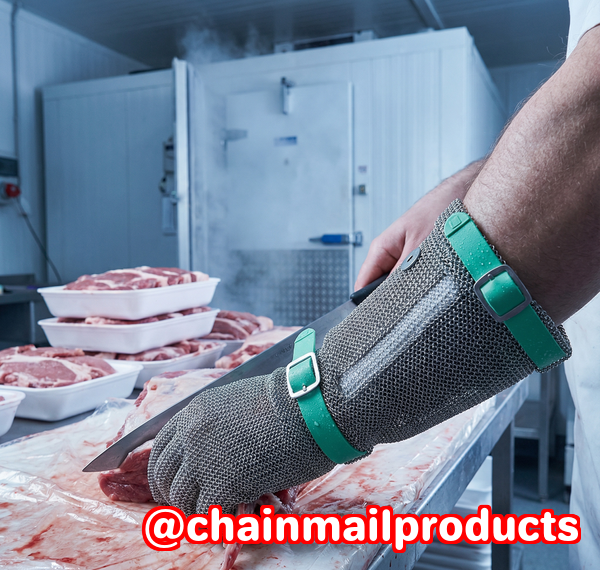
In this guide, I’ll walk you through the most important factors to consider when buying chainmail, including how to inspect welded rings, evaluate material quality, check for proper weave patterns, and more. By the end of this article, you’ll feel more confident in your ability to identify top-notch chainmail arm guards that will protect you and last for years.
Understanding the Importance of Quality Chainmail Arm Guards
Professional butchers, food handlers, and industrial workers are constantly exposed to sharp tools and cutting equipment. This makes protection from cuts and injuries absolutely vital. Chainmail arm guards are a popular choice for this reason, as they provide excellent cut resistance and safeguard against accidents that can occur during intense, fast-paced work.
But as beneficial as chainmail can be, not all products are created equal. It can be easy to get tricked by flashy advertisements or seemingly low prices, but the truth is, low-quality chainmail may compromise your safety and end up costing you more in the long run. When it comes to something as important as protective gear, quality matters more than anything.
Common Pain Points When Evaluating Chainmail Quality
I’ve spoken to countless buyers over the years, and some common concerns always pop up. Here are the biggest pain points people face when trying to assess the quality of chainmail arm guards:
1. Difficulty Distinguishing Welded Rings from Open Rings
Many buyers don’t realize that welded rings are far superior to open rings. Open rings can easily come apart under pressure, rendering your chainmail ineffective when it comes to protection. But the challenge is that open rings sometimes look similar to welded rings, so it can be tough for a casual buyer to tell the difference without closer inspection.
2. Uncertainty About Stainless Steel Grades
Stainless steel is a popular material for chainmail, but not all grades are equal. The two most common grades used in chainmail are 304 and 316 stainless steel. While 304 is strong and durable, it is more prone to rust when exposed to moisture over time. On the other hand, 316 stainless steel offers superior resistance to corrosion and rust, making it the better choice for long-term durability and heavy-duty use.
3. Weak or Inconsistent Weaves
The weave of the chainmail also plays a huge role in its overall durability. Some lower-quality chainmail may have irregular or inconsistent weaves, which can weaken the material. A strong, uniform weave such as the European 4-in-1 pattern is essential for a high-quality chainmail product. Any irregularities can compromise the protection it offers.
How to Inspect and Verify Chainmail Quality
When evaluating chainmail arm guards, there are a few key inspection methods you should always follow. These simple tests can help you assess whether a product is genuinely high-quality or if it’s likely to break down after just a few uses.
1. Material Type: 304 vs. 316 Stainless Steel
Start by checking the material of the chainmail. As I mentioned earlier, 304 and 316 stainless steel are the most commonly used grades, but 316 is the superior choice for industrial use, especially in food processing environments where exposure to moisture is constant. Look for a product description that clearly states the stainless steel grade. If this information isn’t provided, it’s a red flag.
2. Inspect the Welded Rings
One of the best ways to determine the quality of chainmail is by inspecting the rings. High-quality chainmail should have welded rings, where the ends of each ring are fused together to form a strong, seamless connection. Use a magnifying glass or jeweler’s loupe to inspect the rings closely. If you notice any signs of gaps or separation, this could indicate open rings or poor welding quality. This is a major flaw in protective chainmail, as it can break apart easily during use.
3. Ring Thickness and Inner Diameter
The wire thickness and the inner diameter of each ring play a significant role in the overall strength of the chainmail. Thicker wire typically means stronger protection, but it can also make the chainmail stiffer. Be sure to balance durability with comfort. A good chainmail arm guard should have a wire thickness that feels robust but not uncomfortable.
To test the inner diameter, use a caliper or a similar measuring tool to ensure the rings aren’t too large or small. The right inner diameter helps maintain the integrity of the weave while providing a flexible fit for the wearer.
4. Weave Pattern: European 4-in-1
Next, evaluate the weave pattern. The European 4-in-1 weave is one of the strongest and most common weaves used in chainmail. It’s a balanced pattern that offers both flexibility and strength. To inspect the weave, look at the rings’ arrangement and ensure that each ring passes through four others. If the weave is inconsistent or sloppy, it’s a sign that the chainmail may not hold up under pressure.
5. Perform a Simple Pull Test
One of the most effective ways to test chainmail durability is by performing a simple pull test. Gently tug on the rings to see if they hold together under pressure. You should not be able to pull the rings apart with your hands. If you can, this is a sign of weak or poorly welded rings.
6. Signs of Corrosion or Rust
Inspect the chainmail for any signs of rust or corrosion, especially around the rings and edges. Even minor corrosion can weaken the material and compromise its protective function. If you notice any rust, it’s best to avoid purchasing the item, as it likely won’t stand up to long-term use.
Benefits of Proper Chainmail Inspection
Taking the time to properly inspect chainmail before buying it can save you money, frustration, and potentially dangerous situations. Here are the benefits of performing a detailed quality check:
-
Safety: Properly inspecting chainmail ensures that it offers the protection you need. Low-quality products can fail in critical situations, leading to serious injuries.
-
Durability: High-quality chainmail lasts longer and performs better over time. By inspecting the materials and construction, you can avoid buying products that wear out quickly.
-
Cost-Effectiveness: Identifying low-quality chainmail before purchase saves you from wasting money on subpar products that don’t deliver on their promises.
Choosing the Right Chainmail for Your Needs
While chainmail is often used in food processing and industrial settings, it’s also a popular choice for cosplay, historical reenactments, and even as a decorative feature. It’s important to choose the right type of chainmail depending on your intended use. For industrial or food-processing purposes, always opt for high-quality, cut-resistant chainmail made from stainless steel. For cosplay or decorative uses, a lighter, more affordable option may suffice, but always check for craftsmanship and durability to ensure it lasts through wear and tear.
Conclusion: Your Guide to High-Quality Chainmail Arm Guards
Chainmail arm guards are an essential piece of protective gear for many professionals, but buying the right one can be challenging. By following the inspection steps outlined in this guide, you can ensure that you’re investing in a high-quality product that will provide both safety and durability.
I highly recommend using these tips to evaluate any chainmail arm guard you’re considering purchasing. With the right knowledge, you can make informed choices and avoid wasting money on low-quality, unsafe products.
Learn more about identifying high-quality chainmail products: Aegimesh Chainmail Guide
Check out our detailed chainmail inspection guide today and ensure the protection you need.
FAQs
1. How can I tell if a chainmail ring is welded or open?
Look closely at the ends of the rings. Welded rings will have fused ends, while open rings will show a small gap where the ring is not fully closed.
2. Which stainless steel grade is best for long-lasting chainmail?
316 stainless steel is the best choice for long-lasting durability and corrosion resistance, particularly in environments exposed to moisture.
3. How do I inspect the weave pattern for strength?
Check the arrangement of the rings. The European 4-in-1 weave is ideal for strength, with each ring passing through four others.
4. What are the signs of low-quality or unsafe chainmail?
Look for inconsistent weaves, open rings, thin wire, or signs of corrosion. These are all indicators of low-quality or unsafe chainmail.
5. Can decorative chainmail be used for protective purposes?
While decorative chainmail can look great, it typically doesn’t offer the same level of protection as industrial-grade, cut-resistant chainmail. Always verify its strength and quality.
6. How do I choose the right chainmail for industrial vs. cosplay use?
For industrial use, choose heavy-duty chainmail made from 316 stainless steel with a tight, consistent weave. For cosplay, lighter materials may suffice, but ensure the craftsmanship is still top-notch.
7. How can I ensure chainmail is safe for food handling?
Look for chainmail made from food-safe, corrosion-resistant stainless steel, and check that the weave is tight and consistent to prevent contamination.