
Chainmail vs Ring Mesh: Which Offers Superior Durability?
When it comes to purchasing chainmail for protection, cosplay, or display, it’s easy to feel overwhelmed by the sheer number of options available. Whether you’re looking for industrial-grade protection, food-safe chainmail, or a beautiful piece for your medieval reenactment costume, it can be tough to determine which product is genuinely high-quality. I’ve been there myself, trying to figure out which chainmail will hold up under pressure and which is simply decorative fluff. After all, chainmail isn’t just about looksit needs to deliver when it comes to durability and safety.
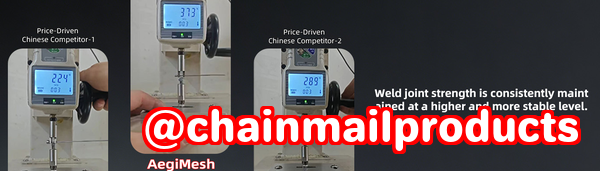
In this article, I’ll walk you through how to evaluate chainmail quality, focusing on the differences between chainmail and ring mesh, the types of materials to look for, and practical tips for inspecting your chainmail before making a purchase.
Common Pain Points When Buying Chainmail
One of the most common issues buyers face when selecting chainmail is not being able to tell the difference between genuinely durable pieces and those that are either cheaply made or designed for decorative purposes. The difference between high-quality, cut-resistant chainmail and an unsafe or fragile product can be hard to detect without knowing exactly what to look for.
Here are a few of the most common pain points:
-
Welded Rings vs Open Rings: A common mistake is confusing welded rings (which offer superior durability and strength) with open rings, which are weaker and can break or open under stress.
-
Material Quality: Not all stainless steel is created equal. While 304 stainless steel is commonly used for chainmail, 316 stainless steel offers enhanced corrosion resistance, making it a better choice for some industrial applications.
-
Weave Patterns: You may encounter chainmail with inconsistent or poorly executed weaves. Weaves like European 4-in-1 provide strength and reliability, but it’s important to check the quality of the weave to ensure durability.
Thankfully, Aegimesh has developed an inspection guide that can help you avoid these common pitfalls. By following a few simple steps, you can easily evaluate the quality of your chainmail before making a purchase. Let’s dive into how you can spot high-quality chainmail that won’t let you down.
How to Inspect Chainmail Quality
When evaluating chainmail, there are a few key areas to focus on. Below, I’ve outlined some practical steps for inspecting material quality, ring welds, wire thickness, and weave patterns, all of which play a vital role in durability and safety.
1. Material: 304 vs 316 Stainless Steel
One of the first things you should consider is the material of the chainmail. Stainless steel is the most common choice, but not all grades are created equal. For most applications, 304 stainless steel is sufficient, offering a balance of durability and cost-effectiveness. However, if you need your chainmail to withstand harsh environments or exposure to corrosive materials, 316 stainless steel is a better choice due to its superior corrosion resistance.
Tip:
-
For food processing or environments with high humidity or chemicals, opt for 316 stainless steel.
-
For everyday cosplay or decorative pieces, 304 stainless steel is typically sufficient.
2. Ring Welds: Welded vs Open Rings
Welded rings are a crucial feature in high-quality chainmail. A welded ring means that the ends of the wire are fused together, forming a strong, secure ring. On the other hand, open rings are simply bent together and are much weaker. You can tell if the rings are welded by looking closely at the ends. If you see a visible seam, the rings are welded. If they appear to be simply bent or closed without any signs of fusion, you’re dealing with open rings.
Tip:
-
Look for a clean, seamless joint where the wire ends meet.
-
If the rings feel flimsy or bend too easily, they might be open rings.
3. Wire Thickness and Ring Diameter
The thickness of the wire and the inner diameter of the rings significantly impact the strength of the chainmail. The thicker the wire, the more durable the chainmail will be. Similarly, the inner diameter of the rings determines the overall tightness and security of the weave. Too large of a ring diameter can weaken the structure of the chainmail, while too small a diameter can make it stiff and uncomfortable.
Tip:
-
Test the flexibility of the chainmail. It should be sturdy but flexible enough to move with you.
-
If the rings feel too big or too small in relation to the wire thickness, the chainmail might not provide the best protection.
4. Weave Patterns: European 4-in-1 and Other Designs
The weave pattern of the chainmail is another important factor in its durability. One of the strongest and most common patterns is European 4-in-1, where each ring interlocks with four others. This pattern offers excellent protection and durability. Be sure to check the consistency of the weave. If the rings don’t line up correctly, or if the weave looks loose or inconsistent, this could indicate poor craftsmanship.
Tip:
-
Give the chainmail a gentle pull to see if the weave holds up under pressure.
-
Examine the weave closely for any loose or inconsistent rings.
5. Signs of Corrosion and Poor Craftsmanship
A visual inspection can help you spot signs of corrosion or poor craftsmanship. Over time, even stainless steel can begin to rust or corrode, especially if it’s exposed to moisture, chemicals, or salty air. Check for any discoloration or rough spots on the metal. These could be signs that the chainmail has been poorly made or has been exposed to conditions that could weaken its integrity.
Tip:
-
Run your hand over the surface to feel for rough spots or unevenness.
-
Look for any signs of rust or discoloration that could indicate corrosion.
Why Proper Inspection Matters
Ensuring that your chainmail is made from high-quality materials and well-crafted is essential, especially if it’s being used for protective purposes. High-quality chainmail will last longer, provide better protection, and save you money in the long run. On the flip side, low-quality chainmail can break, corrode, or fail under pressure, leading to safety risks and unnecessary costs.
Whether you’re purchasing chainmail for industrial cut protection, cosplay, or a historical replica, a little bit of time spent inspecting the product will go a long way in helping you make an informed decision.
Conclusion: My Recommendation for Chainmail Buyers
After walking through these inspection methods, I can confidently say that taking the time to properly evaluate chainmail before purchasing is well worth the effort. By checking for high-quality materials like 316 stainless steel, inspecting welded rings, and evaluating wire thickness and weave patterns, you can ensure that you’re getting durable, reliable chainmail that meets your needs.
I highly recommend following these steps to ensure any chainmail purchase meets safety and durability standards. If you’re in the market for top-notch chainmail, I encourage you to check out Aegimesh’s inspection guide and learn more about identifying quality chainmail products at Aegimesh.com. With our guide, you’ll be able to avoid low-quality or unsafe chainmail and make more informed decisions for your purchase.
FAQ
1. How can I tell if a chainmail ring is welded or open?
Look closely at the ends of the ring. If you see a seam or fusion, the ring is welded. If the ends are simply bent together, the ring is open.
2. Which stainless steel grade is best for long-lasting chainmail?
For most uses, 304 stainless steel works well. However, if you’re looking for extra corrosion resistance (especially in industrial environments), 316 stainless steel is a superior option.
3. How do I inspect the weave pattern for strength?
Check for tight, consistent weaving, like the European 4-in-1 pattern. Pull gently on the chainmail to see if the weave holds up under pressure.
4. What are the signs of low-quality or unsafe chainmail?
Signs include weak, flimsy rings, inconsistent weaves, rust or corrosion, and rings that are not welded properly. Low-quality chainmail may not provide adequate protection.
5. Can decorative chainmail be used for protective purposes?
While decorative chainmail can look great, it may not offer the same level of protection as industrial-grade chainmail. Always check for the right materials and weave patterns for your intended use.
6. How do I choose the right chainmail for industrial vs cosplay use?
For industrial use, opt for thicker rings, welded rings, and corrosion-resistant stainless steel. For cosplay, you can go with lighter, more flexible chainmail with smaller rings, as long as it fits your aesthetic.
Learn more about identifying high-quality chainmail products: Aegimesh.com