
The Radiation Protection of Chainmail: Myth or Reality?
When you’re looking to buy chainmail, whether for industrial use, cosplay, or historical replicas, it can be tough to know which products are the real deal and which ones are just pretty-looking imitations. We’ve all been therestaring at a shiny, intricate piece of chainmail and wondering, “Is this actually going to protect me? Is this just for show? Does it have the strength I need?”
As someone who has spent years working with chainmail in various capacities, I can tell you one thing for certain: not all chainmail is created equal. And when it comes to claims of radiation protection, that’s where things get murky. Let’s dive into the topic of whether chainmail can truly offer protection from radiation, and how you can ensure you’re making an informed choice when purchasing any type of chainmail.
The Myth of Chainmail and Radiation Protection
The idea that chainmail might protect against radiation has been floated in various circles, especially when it comes to concerns over electromagnetic radiation or even gamma rays. But here’s the truth: chainmail, in and of itself, is not a proven barrier against radiation.
At first glance, it might seem plausibleafter all, chainmail is a highly durable material used for protective purposes in many industries. Historically, it has been used for combat and safety purposes, so why not for radiation? Well, the key here lies in the properties of radiation itself and the materials that are effective at blocking it.
Radiation, particularly electromagnetic radiation like gamma rays, requires dense materials to absorb or block it. Lead is one of the most effective substances for radiation shielding, not steel or metal rings. Chainmail is typically made from steel rings, which are durable but not dense enough to stop the radiation penetration that you’d need in scenarios involving high-energy radiation.
That doesn’t mean chainmail isn’t useful in many contexts, but for radiation protection specifically, you’re better off looking for specialized materials like lead-lined fabrics or purpose-built radiation shields rather than relying on chainmail.
Why Chainmail Quality Matters
Now that we’ve debunked the radiation myth, let’s focus on what chainmail can do. Whether you’re using it for industrial cut protection, food handling, cosplay, or historical replicas, high-quality chainmail will help keep you safe and looking great. Here’s how to ensure you’re purchasing the best chainmail for your needs.
Common Problems When Choosing Chainmail
-
Welded Rings vs Open Rings
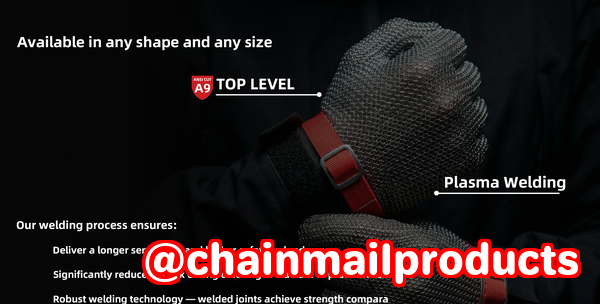
One of the most common mistakes people make when buying chainmail is confusing welded rings with open rings. Welded rings are much stronger and more secure because the metal is fused together, while open rings can easily come apart with stress, leading to weaker, less durable chainmail.
Solution: Always look for chainmail made with welded rings if you need the durability and protection that chainmail is known for. If you’re just looking for a decorative piece, open rings may work, but be prepared for them to wear down faster.
-
Uncertainty About Stainless Steel Grades
Not all stainless steel is created equal. For example, 304 stainless steel is common, but it doesn’t have the same resistance to corrosion as 316 stainless steel. If you’re going to use chainmail in harsh environmentslike food processing or industrial applicationsyou’ll want the higher-quality 316 stainless steel. This ensures your chainmail won’t rust or corrode over time.
Solution: Look for 316 stainless steel for long-lasting, durable chainmail. It’s more resistant to corrosion, making it a better option for use in industrial environments or outdoor settings.
-
Weak or Inconsistent Weaves
One of the hallmarks of high-quality chainmail is the weave pattern. A strong weave like European 4-in-1 is commonly used for both strength and flexibility. However, some cheaper chainmail products use weaker weaves that are less durable and more prone to breakage.
Solution: Opt for European 4-in-1 or other well-known, strong weave patterns to ensure the chainmail can withstand wear and tear.
Inspecting Your Chainmail: How to Check for Quality
So, how can you make sure you’re buying a high-quality product? Here are some simple steps to inspect chainmail before you commit to a purchase:
-
Check the Material
-
For industrial or cut-resistant purposes, you’ll want 316 stainless steel. It’s more resistant to rust, corrosion, and wear than 304 stainless steel. If the product doesn’t specify the material, it’s best to ask.
-
-
Inspect the Ring Welding
-
Take a closer look at the rings. If they’re welded, they’ll be more durable and hold up longer. If they’re open, they might not withstand heavy use.
-
-
Measure the Wire Thickness and Inner Diameter
-
Higher-quality chainmail usually has thicker wires and rings with the right inner diameter for strength. You can perform a simple pull testgently pull a ring and see if it bends or breaks. A well-constructed chainmail should feel solid and secure.
-
-
Evaluate the Weave Pattern
-
Look at the weave and make sure it’s tight and consistent. A European 4-in-1 weave is commonly used for durability and flexibility.
-
-
Check for Corrosion
-
Over time, rust can weaken your chainmail. Look for signs of corrosion on the rings. This is especially important in industrial settings or if you’ll be using the chainmail in food processing environments.
-
The Benefits of Proper Chainmail Inspection
Investing time to inspect your chainmail can save you a lot of headaches in the long run. Here’s why it’s worth it:
-
Safety First: Poorly made chainmail can be unsafe, especially for industrial or food-processing use. You don’t want to risk cuts or exposure to contaminants because of low-quality materials or craftsmanship.
-
Durability: High-quality chainmail will last longer, so you won’t have to replace it as often. That’s especially important for industrial and protective uses.
-
Save Money: Buying low-quality chainmail might seem like a bargain at first, but in the long run, it can end up costing you more when it needs to be replaced. Opting for a higher-quality product initially can save you from unnecessary expenses down the line.
Conclusion: My Recommendation
In conclusion, while chainmail may not offer radiation protection, it is still an incredibly versatile and durable material that can be used for a variety of purposes. When choosing chainmail, whether for protection or display, proper inspection is key. By looking for welded rings, checking the steel grade, and inspecting the weave pattern, you can ensure you’re getting the best quality.
I highly recommend following these steps to ensure any chainmail purchase meets safety and durability standards. It’s a small investment of time that will pay off when you end up with a high-quality product that lasts for years.
Ready to get started? Learn more about identifying high-quality chainmail products and check out our detailed chainmail inspection guide today.
Frequently Asked Questions
-
How can I tell if a chainmail ring is welded or open?
You can usually tell by closely inspecting the ring. Welded rings have a smooth, solid connection, while open rings may have a visible gap where the ends meet.
-
Which stainless steel grade is best for long-lasting chainmail?
316 stainless steel is the best option for durability and resistance to corrosion, especially in industrial settings. -
How do I inspect the weave pattern for strength?
Look for tight, consistent patterns. The European 4-in-1 weave is one of the strongest and most common for durable chainmail.
-
What are the signs of low-quality or unsafe chainmail?
Poor craftsmanship, signs of corrosion, flimsy rings, and inconsistent weaves are all indicators of low-quality chainmail.
-
Can decorative chainmail be used for protective purposes?
While decorative chainmail can look impressive, it’s generally not as durable as industrial or protective chainmail. It’s best used for cosplay or display.
-
How do I choose the right chainmail for industrial vs cosplay use?
For industrial use, focus on strength, durability, and corrosion resistance (opt for 316 stainless steel and welded rings). For cosplay, aesthetics might take priority, but ensure the weave is strong enough for your needs.
Keywords: chainmail quality, welded rings, stainless steel chainmail, cut-resistant chainmail, chainmail inspection, European 4-in-1 weave