
Comparing Chainmail with Other Metal Materials: Copper, Aluminum, and More
When it comes to protective gear, historical reenactments, or even cosplay, chainmail remains one of the most iconic materials. Whether you’re an industrial worker in need of cut-resistant protection or a cosplayer bringing a medieval knight to life, the choice of material is crucial. But with so many options available, how do you know which metalbe it copper, aluminum, or stainless steelwill deliver the best performance, safety, and longevity for your needs?
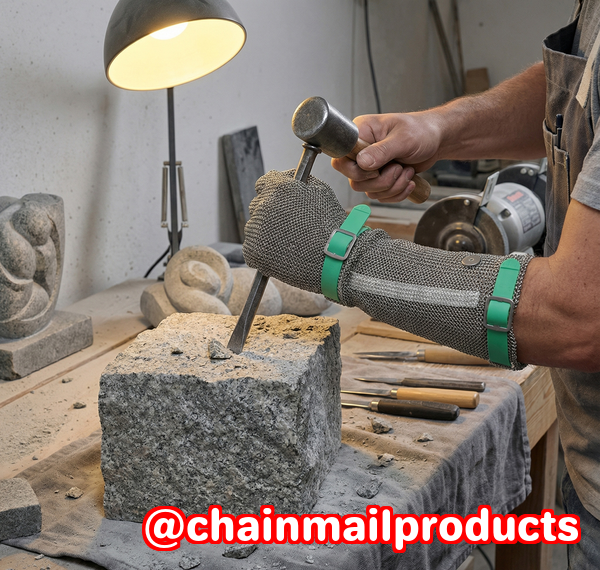
In this article, we’ll dive into how chainmail compares with other metals like copper and aluminum. I’ll also share practical tips on how to assess the quality of chainmail, helping you avoid unsafe or low-quality products. Whether you’re a buyer, collector, or professional, this guide will equip you with the knowledge to make an informed decision.
Why the Material Matters: Chainmail vs. Other Metals
When it comes to evaluating chainmail, the material it’s made from can make all the difference. Not only does it affect the durability, but it also impacts the level of protection, comfort, and overall quality. Let’s take a look at how chainmail compares with other common metals used in similar applications:
-
Copper: Copper chainmail has been historically used for decorative purposes and in jewelry making. While it has some antibacterial properties, it is softer than steel and lacks the toughness needed for protective wear. It can be more prone to wear and tear, especially if subjected to high-stress environments.
-
Aluminum: Aluminum chainmail is often favored for lightweight armor. It’s cheaper and lighter than steel, but it offers much less protection. While aluminum is corrosion-resistant, its low tensile strength makes it unsuitable for high-impact or industrial environments.
-
Stainless Steel (304 vs 316): Stainless steel is the preferred material for high-quality chainmail, especially in applications where durability and strength are essential. The two most common grades used are 304 and 316 stainless steel. Both offer corrosion resistance, but 316 has superior resistance to corrosion, especially in harsher environments like marine or food processing areas.
Common Chainmail Quality Concerns
Now, let’s talk about the typical pain points people face when buying or using chainmail. Whether you’re a cosplayer or a factory manager, these issues can be a headache if you don’t know what to look for:
-
Welded vs. Open Rings: One of the most common problems people face is distinguishing welded rings from open rings. Open rings might look similar, but they can easily come undone, especially under stress. Welded rings, on the other hand, provide a much stronger bond and are the hallmark of high-quality chainmail.
-
Corrosion and Rust: Not all stainless steel is created equal. Different grades of stainless steel have varying levels of corrosion resistance. For example, if you’re working in a high-moisture environment, like food processing or marine industries, opting for 316 stainless steel chainmail is a safer choice.
-
Weave Inconsistencies: Another issue is inconsistent weave patterns. If the weave isn’t tight or uniform, it can compromise the chainmail’s strength and protective qualities. For instance, European 4-in-1 weave is one of the strongest and most durable options for chainmail, but not all products are created equally in this regard.
How to Evaluate Chainmail Quality
So, how do you know if you’re getting the real deal? The good news is that it’s not as difficult as you might think. With a few simple steps, you can assess the quality of chainmail and ensure you’re making the right purchase.
1. Check the Material
Start by confirming the material. The most reliable chainmail for protective or industrial use is made from high-grade stainless steel. Stainless steel grades 304 and 316 are the best options, with 316 offering superior corrosion resistance.
-
304 Stainless Steel: Perfect for general use where corrosion isn’t a huge concern.
-
316 Stainless Steel: Ideal for food processing, marine environments, or other harsh conditions where rust resistance is crucial.
If you’re after a decorative piece or cosplay armor, aluminum may suffice, but it’s not recommended for any high-stress or safety-critical use.
2. Inspect the Rings
Next, take a close look at the rings used to make the chainmail. There are two types of rings: open rings and welded rings.
-
Welded Rings: These are a must for high-quality chainmail. They are sealed with heat, making them incredibly strong and unlikely to come undone.
-
Open Rings: These rings are simply bent into a loop and aren’t welded shut. While they may appear to be chainmail, they won’t provide the same strength or durability. They’re often used in decorative pieces but shouldn’t be relied on for any protective gear.
3. Look at the Weave Pattern
A good weave pattern is critical for the strength and longevity of chainmail. The most popular and durable weave pattern is European 4-in-1, where each ring is connected to four others. This style provides excellent coverage and protection. If the weave looks inconsistent, it’s a red flag. A loose or uneven weave can cause the rings to shift and compromise the overall integrity of the chainmail.
4. Perform a Pull Test
Once you’ve inspected the material and the rings, it’s time to test the chainmail’s strength. A simple pull test is a great way to gauge durability:
-
Grip a section of chainmail and gently pull in different directions.
-
If the weave holds together without any signs of loosening or breaking, that’s a good sign of quality.
-
If the rings pop out or the weave loosens, that’s an indicator of poor craftsmanship.
5. Check for Signs of Corrosion
Corrosion can significantly affect the performance of chainmail, especially if it’s used in humid or wet conditions. Stainless steel is generally resistant to rust, but it’s important to check for any signs of corrosion, particularly on lower-grade chainmail. For example, if you notice discoloration or rust spots, it’s best to avoid that product.
Practical Applications for High-Quality Chainmail
High-quality chainmail isn’t just for medieval reenactments or cosplay. It has several practical applications:
-
Industrial Cut Protection: Chainmail made from 316 stainless steel can protect workers from sharp objects in industries like food processing, metalworking, or glass manufacturing.
-
Food Processing: For workers who handle knives or sharp objects, chainmail gloves and aprons can provide vital protection without sacrificing dexterity.
-
Cosplay and Historical Replicas: For enthusiasts looking for authentic-looking armor, high-quality chainmail will give a historically accurate and durable costume.
-
Collectibles: Many collectors seek high-quality, handcrafted chainmail for its artistic and historical value. Whether it’s a decorative piece or a full suit of armor, the quality of the rings and weave will make all the difference.
Conclusion: Ensuring Quality Chainmail Purchases
If you’re buying chainmail for protection, cosplay, or collecting, make sure you assess the quality before making a decision. By checking the material, inspecting the rings, evaluating the weave pattern, performing a pull test, and looking for signs of corrosion, you can ensure you’re getting the best product for your needs.
I highly recommend following these steps to make sure any chainmail purchase meets safety and durability standards. If you’re looking for high-quality chainmail, check out our detailed inspection guide at Aegimesh and learn more about identifying top-tier chainmail products today.
Frequently Asked Questions
-
How can I tell if a chainmail ring is welded or open?
-
You can usually tell by inspecting the rings closely. Welded rings will be solid with no visible gap, while open rings will have a slight gap where the ends meet.
-
-
Which stainless steel grade is best for long-lasting chainmail?
-
316 stainless steel is the best choice for environments exposed to moisture or harsh conditions. It provides superior corrosion resistance compared to 304 stainless steel.
-
-
How do I inspect the weave pattern for strength?
-
Look for a tight, even weave pattern. European 4-in-1 is the most common and reliable pattern, where each ring connects to four others for maximum strength.
-
-
What are the signs of low-quality or unsafe chainmail?
-
Inconsistent weaving, open rings that aren’t welded, and visible corrosion are all signs of low-quality chainmail.
-
-
Can decorative chainmail be used for protective purposes?
-
Generally, no. Decorative chainmail is not designed to withstand heavy stress or provide the same level of protection as industrial-grade chainmail.
-
-
How do I choose the right chainmail for industrial vs. cosplay use?
-
For industrial use, look for chainmail made from 316 stainless steel with welded rings. For cosplay, lightweight materials like aluminum might work, but ensure the weave is tight and consistent.
-
Tags/Keywords: chainmail quality, welded rings, stainless steel chainmail, cut-resistant chainmail, chainmail inspection, European 4-in-1 weave