
Chainmail vs Modern Bulletproof Vests: Which Offers Better Protection?
When it comes to personal protection, there are many options to choose from. Bulletproof vests have long been the go-to choice for military and law enforcement, while chainmail has been a staple in historical armor. But in today’s world, many are left wondering: which offers better protection? And more importantly, how can you be sure you’re getting the highest quality of either? Let’s dive into the world of chainmail and modern bulletproof vests, compare their protective capabilities, and show you how to spot the best chainmail for your needs.
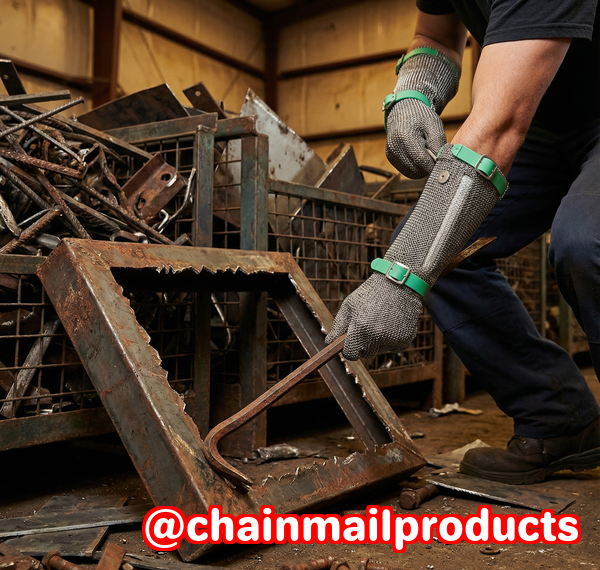
The Struggle to Find Quality Chainmail
I’ve seen it all too many times: a person, excited to buy some chainmail for protection, a historical reenactment, or even cosplay, ends up with a product that falls short of expectations. Maybe it’s not as durable as advertised, or worse, it offers no real protection at all. The reality is, not all chainmail is created equal, and a low-quality product can not only cost you money but could also pose a safety risk.
The same goes for bulletproof vests. While they’re designed to protect against ballistic threats, the quality of materials and construction makes a big difference. But what if you want the unique benefits that chainmail offers in certain scenarios? How do you evaluate the quality of the chainmail you’re buying? How does it stack up against the tried-and-tested bulletproof vest? In this post, I’ll walk you through the ins and outs of evaluating high-quality chainmail and give you some tips on how to decide if it’s the right choice for your protection needs.
Why Quality Matters in Chainmail
Whether you’re buying chainmail for cosplay, food handling, or even cut protection, understanding what to look for can save you a lot of frustration. Low-quality chainmail, often made from subpar materials or poorly constructed, can easily fall apart under pressure. For example, ring welding is a critical feature. A welded ring holds much better under stress than an open ring, which can come apart easily. When you’re choosing chainmail, pay attention to the quality of the welding and the wire thickness. These elements are crucial for ensuring the chainmail serves its purposewhether that’s for historical reenactments, protective clothing, or decorative purposes.
Common Issues to Watch Out For
Here are some of the most common problems I see when it comes to evaluating chainmail:
-
Welded vs. Open Rings
Open rings might seem fine at first glance, but they are much weaker than welded rings. If you’re looking for chainmail that offers protection, make sure the rings are welded, not just twisted or open-ended.
-
Subpar Stainless Steel Grades
Not all stainless steel is created equal. The difference between 304 and 316 stainless steel might seem minor, but it’s not. 316 stainless steel is much more resistant to corrosion and is a better option for industrial or protective use.
-
Poor Weaving
The weave pattern is also a huge factor. For example, European 4-in-1 weave is considered strong and reliable for protective purposes. A poor weave, on the other hand, might leave you vulnerable to cuts or reduce the overall durability of the chainmail.
-
Wire Thickness and Ring Diameter
When evaluating chainmail, make sure the wire thickness and ring diameter are consistent. These small but crucial factors ensure that the chainmail can withstand the forces it’s designed to protect against.
How to Inspect Chainmail for Quality
Now that you know what to watch out for, let’s talk about how to inspect chainmail. Here’s a step-by-step guide on how to evaluate whether your chainmail will actually live up to its protective promises.
1. Check the Material Type: 304 vs. 316 Stainless Steel
The grade of stainless steel used in the chainmail significantly impacts its durability and corrosion resistance. 304 stainless steel is cheaper but not as resistant to rust, while 316 stainless steel is more durable and resistant to corrosion, making it ideal for long-term use or exposure to harsh environments.
2. Inspect the Ring Welding
A simple but effective way to determine if a chainmail is high-quality is to check if the rings are welded. To do this:
-
Look closely at the rings: Welded rings will have a smooth, continuous seam, while open rings will have a visible gap.
-
Perform a pull test: Gently pull on a few rings to see if they hold firm or come apart. If the rings start to separate, you’re looking at lower-quality chainmail.
3. Evaluate Wire Thickness and Ring Diameter
The wire thickness and ring diameter play a vital role in the chainmail’s strength and flexibility.
-
Thicker wire means better protection, but it can also make the chainmail heavier and less flexible. For heavy-duty use like food processing, you may want a thicker wire. For cosplay, flexibility might be more important.
-
Ring diameter should be consistent throughout. A proper European 4-in-1 weave requires rings of the same diameter to ensure that the weave is strong and evenly distributed.
4. Inspect the Weave Pattern
As I mentioned earlier, the weave pattern is critical. European 4-in-1 weave is one of the most reliable patterns for protective chainmail. It’s tightly woven, which makes it difficult for blades to penetrate. For lighter decorative use, you might find other weaves like 6-in-1 or 8-in-1, which are more decorative but less protective.
5. Look for Signs of Corrosion
While stainless steel is resistant to rust, poor-quality stainless steel can still corrode over time. To check for corrosion, simply:
-
Look for discoloration or spots on the rings.
-
Test for flexibility: If the rings feel brittle or break easily, they may have been affected by corrosion.
Why Choose Aegimesh Chainmail?
Aegimesh Chainmail offers a high-quality solution for anyone looking for durable, reliable chainmail for a variety of uses. Our chainmail is made from high-grade 316 stainless steel, ensuring long-lasting performance even in the harshest conditions. Whether you’re using it for food processing, cut-resistant gloves, cosplay, or historical reenactment, Aegimesh Chainmail meets the highest standards of safety and durability.
By following the steps above, you can easily distinguish our products from lower-quality alternatives, ensuring you make an informed purchase. Check out our detailed chainmail inspection guide today to learn more!
Conclusion
Chainmail has come a long way from its historical roots and is still a valuable tool in various industries today. But not all chainmail products are created equal. By following the simple inspection steps outlined above, you can ensure that you’re purchasing a high-quality product that meets your protection needswhether it’s for industrial use, cosplay, or display purposes.
I highly recommend taking the time to inspect the chainmail before purchasing it, especially if you’re investing in it for protection. And if you’re looking for top-notch chainmail, I highly encourage you to check out Aegimesh’s offerings.
Learn more about identifying high-quality chainmail products: Aegimesh Chainmail
FAQs
1. How can I tell if a chainmail ring is welded or open?
Look for a smooth, continuous seam on welded rings. Open rings will have a visible gap.
2. Which stainless steel grade is best for long-lasting chainmail?
316 stainless steel is the best option for long-lasting, corrosion-resistant chainmail, especially in industrial applications.
3. How do I inspect the weave pattern for strength?
Look for a consistent weave like the European 4-in-1 pattern. It’s a reliable choice for protection.
4. What are the signs of low-quality or unsafe chainmail?
Signs include poorly welded rings, inconsistent wire thickness, and signs of corrosion.
5. Can decorative chainmail be used for protective purposes?
Decorative chainmail may look good but is generally not as strong or durable as protective chainmail. It’s best for cosplay or display purposes only.
6. How do I choose the right chainmail for industrial vs. cosplay use?
For industrial use, look for thicker wire and a tight weave like European 4-in-1. For cosplay, a more flexible and lightweight chainmail might be preferable.
7. Is chainmail suitable for food processing?
Yes! Aegimesh’s chainmail, made with 316 stainless steel, is ideal for food handling due to its corrosion resistance and durability.
Tags/Keywords: chainmail quality, welded rings, stainless steel chainmail, cut-resistant chainmail, chainmail inspection, European 4-in-1 weave