
Ring Mesh vs Chainmail for Personal Protection in Hazardous Jobs
When you’re working in a hazardous jobwhether it’s in a kitchen, an industrial setting, or even on the cosplay circuitsafety is always a top priority. If you’re considering chainmail for protection, you might find yourself struggling to identify quality products.
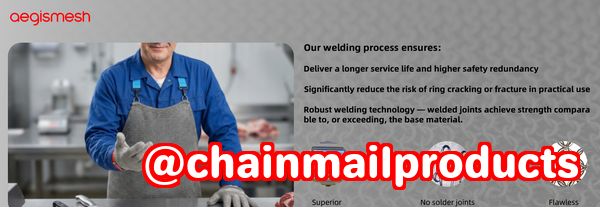
Is that shiny chainmail you’re looking at truly cut-resistant? Will it hold up in a dangerous industrial setting or under the stress of a heavy-duty task? Many buyers are confused by the difference between high-quality, durable chainmail and decorative, low-grade products that look great but don’t perform well. I know this from experiencethere’s a real challenge in knowing which products are genuinely safe and which ones are more show than substance.
As someone who’s been through the process of selecting the best chainmail for a variety of uses, I can say with confidence: the right inspection methods are essential. In this article, I’ll walk you through how to evaluate chainmail for strength, safety, and long-term use, so you can be confident you’re making an informed purchase. Whether you’re an industrial worker, a collector, or a cosplayer, these tips will help you avoid buying the wrong product and wasting money on subpar options.
Common Pitfalls When Evaluating Chainmail Quality
The world of chainmail can be overwhelming, especially when you’re faced with various grades of stainless steel, different weave patterns, and the confusing choice between welded and open rings. If you don’t know exactly what to look for, it’s easy to make a costly mistake. Let’s dive into a few of the most common pain points buyers face.
1. Welded vs Open Rings: A Critical Distinction
Welded rings are a must for any chainmail that’s meant to provide real protection. They offer greater durability because the ends of the rings are fused together, creating a tight, strong bond. Open rings, on the other hand, can easily separate, leading to weaker chainmail that’s far less reliable in hazardous conditions.
When shopping for chainmail, look for welded rings. In fact, most industrial-grade chainmailsuch as Aegimesh Chainmailis made with welded rings for exactly this reason. A simple inspection test is to gently pull on a ringif it opens up easily, it’s not welded, and that’s a red flag.
2. Choosing the Right Stainless Steel Grade
Stainless steel is a popular material for chainmail, but not all grades are equal. The two most common grades you’ll encounter are 304 and 316 stainless steel. 304 is a more affordable option and performs well in many situations, but 316 offers superior corrosion resistance and strength, making it ideal for high-stress environments like food processing or industrial work.
If you’re looking for chainmail that’s going to endure the elements and provide reliable protection, 316 stainless steel is your best bet. Aegimesh products, for instance, are crafted using top-grade stainless steel, ensuring they meet the highest durability standards.
3. Weak Weave Patterns
Chainmail’s strength doesn’t just come from the materialit’s also about the way it’s woven. A poor weave pattern can make the chainmail fragile, regardless of the metal used. For industrial or cut-resistant applications, the European 4-in-1 weave is one of the strongest and most widely used patterns. This weave locks the rings together securely, providing superior protection against cuts and abrasions.
To inspect the weave, simply look at how tightly the rings are interlocked. If the weave looks loose or uneven, it’s a sign that the chainmail might not offer the durability you’re looking for.
How to Inspect Chainmail for Quality: A Step-by-Step Guide
Now that we’ve covered some common issues, let’s talk about how to inspect chainmail properly. Whether you’re buying for personal protection or display, these practical tips will help you identify high-quality chainmail.
1. Material Type: 304 vs 316 Stainless Steel
Start by checking the grade of the stainless steel. This is especially important if you need the chainmail for industrial or food-processing purposes. Look for product specifications that mention whether the chainmail is made from 304 or 316 stainless steel. As mentioned earlier, 316 is superior when it comes to corrosion resistance and durability, so this should be your go-to for high-risk jobs.
2. Ring Welding: Are the Rings Welded?
Take a close look at the rings. If they’re welded, the ends of the rings will appear fused together, with no gap. If they’re open rings, the ends will be slightly separated. A pull test can be helpful here. If you can easily pull the rings apart, it means the product is made with open ringsand it’s not as reliable.
3. Wire Thickness & Inner Diameter
Another thing to inspect is the wire thickness and the ring’s inner diameter. Thicker wires and appropriately sized rings will provide greater strength and durability. Too thin, and the chainmail may not stand up to repeated stress.
Check for consistency in wire thickness across the entire piece. If some rings look thinner or are larger/smaller than others, that’s a red flag. Quality chainmail is made with precision and uniformity.
4. Weave Patterns: European 4-in-1
When inspecting the weave, the European 4-in-1 pattern is the gold standard for strength. In this pattern, each ring is connected to four others, creating a tight, interlocked structure. This pattern distributes pressure evenly across the entire piece, making it more effective at preventing cuts and abrasions.
Examine the weave closely and check for uniformity. If the weave looks uneven or there are gaps between rings, the piece may not provide the level of protection you need.
5. The Pull Test
One of the simplest ways to test chainmail durability is the pull test. Grab a section of the chainmail and gently pull on it. High-quality chainmail will be strong enough to resist stretching or deformation, while poor-quality products will start to give way.
This test is particularly useful for checking the integrity of the weave and the welding of the rings.
Benefits of Proper Chainmail Inspection
Inspecting chainmail before making a purchase has several key benefits. First, it ensures that the product you’re buying will provide the protection you needwhether for industrial work, food processing, or cosplay. Second, it helps you avoid unsafe, low-quality chainmail that may not hold up under pressure. Third, it can save you money in the long run by helping you avoid wasting your hard-earned cash on subpar products.
For industrial workers, ensuring the chainmail is made from 316 stainless steel with welded rings and a European 4-in-1 weave could be a life-saving measure. For cosplayers, inspecting the weave and material ensures that your costume will be both durable and comfortable to wear.
Conclusion: Don’t Settle for Less Than the Best
I highly recommend following these inspection methods to make sure you’re investing in high-quality chainmail that meets your safety and durability needs. Whether you’re looking for protection in hazardous jobs or enhancing your costume, a simple inspection can save you from purchasing a low-quality, unsafe product.
For more detailed information on how to evaluate chainmail quality, check out our full guide at Aegimesh Chainmail. Our guide provides step-by-step instructions on inspecting material quality, ring welding, wire thickness, and more.
Frequently Asked Questions
How can I tell if a chainmail ring is welded or open?
Look at the ends of the rings. Welded rings will have smooth, fused ends, while open rings will have a small gap.
Which stainless steel grade is best for long-lasting chainmail?
316 stainless steel offers superior corrosion resistance and strength, making it ideal for long-lasting chainmail.
How do I inspect the weave pattern for strength?
Check for a tight, uniform weave. The European 4-in-1 pattern is one of the strongest and most reliable for cut-resistant chainmail.
What are the signs of low-quality or unsafe chainmail?
Signs of low-quality chainmail include open rings, inconsistent wire thickness, loose or uneven weaves, and corrosion.
Can decorative chainmail be used for protective purposes?
Decorative chainmail may look great but often doesn’t offer the necessary durability or protection for industrial use. Always inspect before buying.
How do I choose the right chainmail for industrial vs cosplay use?
For industrial use, look for chainmail made with 316 stainless steel and a European 4-in-1 weave. For cosplay, durability and comfort are key, but you can get away with lighter materials if safety is not a concern.
Tags:
chainmail quality, welded rings, stainless steel chainmail, cut-resistant chainmail, chainmail inspection, European 4-in-1 weave