
Steel vs Brass in Chainmail: Which Metal Reigns Supreme?
When it comes to chainmail, whether you’re looking for protective wear, cosplay pieces, or historical replicas, the material you choose can make all the difference. A common dilemma that many buyers face is deciding between steel and brass chainmail. Both metals have their advantages, but how do you know which one is best for your needs?
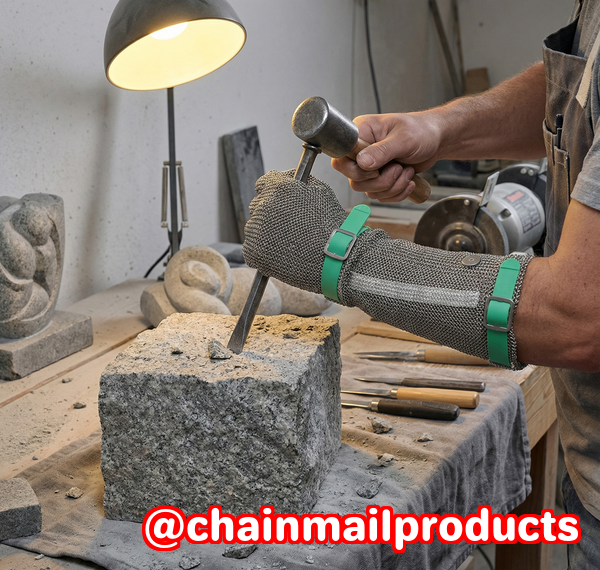
I’ve often heard from buyers, collectors, and even professionals who are unsure about which material to go for. Some wonder if brass is simply a decorative option or if steel is the only metal strong enough to provide true protection. The truth is, both have their place in the world of chainmail, but understanding the key differences between them is crucial to making an informed choice. Whether you’re using chainmail for historical reenactments, cut protection in industrial settings, or as part of a cosplay outfit, here’s how you can evaluate the quality of your chainmail and choose the right material.
Understanding Chainmail Materials: Steel vs. Brass
Steel Chainmail:
When most people think of chainmail, they envision steel. It’s the go-to material for serious protection and durability. Steel chainmail is known for its strength and resilience, which makes it the preferred choice for industrial applications, including cut-resistant gloves and aprons, and protective gear for food processing workers. Steel is also commonly used in historical replicas, where authenticity and durability are important.
However, there are different types of steel to consider. The two most common grades for chainmail are 304 stainless steel and 316 stainless steel. The key difference is corrosion resistance316 steel is more resistant to rust and corrosion, making it better suited for outdoor use or exposure to moisture. On the downside, 316 steel is typically a bit more expensive than 304, so you’ll need to weigh the cost against the application.
Brass Chainmail:
Brass chainmail, on the other hand, is often chosen for its aesthetic appeal. It has a distinctive golden hue that makes it ideal for decorative purposes or historical replicas where the look is just as important as the functionality. Brass is also lighter than steel, which can make it more comfortable to wear for long periods, especially for cosplay or reenactments.
However, brass is not as durable as steel. While it’s suitable for lightweight armor or display pieces, it doesn’t offer the same level of protection as steel. Brass is more prone to tarnishing over time and may need regular maintenance to keep its shine. It’s also not as resistant to corrosion in harsh environments as stainless steel.
Choosing the Right Chainmail for Your Needs
When deciding between steel and brass, think about what you’re using the chainmail for. If your goal is protectionwhether it’s for industrial use, food handling, or even as a protective layer under medieval armorsteel is the clear winner. It’s stronger, more durable, and provides better cut resistance. However, if you’re looking for something visually striking for a costume or historical reenactment, brass can be the perfect choice, as it offers a distinctive, eye-catching look without needing the same level of strength.
In addition to the material itself, how the chainmail is constructed plays a huge role in determining its quality. Let’s take a closer look at what to inspect when evaluating chainmail.
How to Inspect Chainmail for Quality
Even once you’ve chosen between steel and brass, there are a few other factors to consider when evaluating chainmail. High-quality chainmail doesn’t just depend on the metalit also depends on how it’s made. Here are some tips on what to look for:
1. Welded vs. Open Rings
One of the first things you’ll want to check is whether the rings are welded or open. Welded rings are far superior in terms of durability and strength, especially in industrial or protective chainmail. Open rings can come apart more easily and may not offer the same level of safety.
If you’re buying chainmail for protection, always check for welded rings, especially in products that need to withstand wear and tear, like gloves, aprons, or armor. If you’re buying it for cosplay or display purposes, open rings might be acceptable, but they won’t offer the same strength.
2. Wire Thickness and Ring Diameter
Another important factor is the wire thickness and ring diameter. The thicker the wire, the stronger the chainmail will be. However, thicker wires also make the chainmail less flexible, so there’s a trade-off between strength and comfort. Look for a wire thickness that suits your needstoo thin, and the chainmail might not provide enough protection; too thick, and it might become too rigid for your comfort.
Similarly, the inner diameter of the rings affects the strength of the weave. Smaller rings can create a denser, stronger weave, while larger rings can make the chainmail lighter and more flexible. If you’re unsure, a good rule of thumb is to aim for a balanced inner diameter that allows for both flexibility and protection.
3. Weave Pattern
The weave pattern of the chainmail also plays a huge role in its overall durability. The European 4-in-1 weave is a popular choice for both steel and brass chainmail due to its strength and uniformity. This pattern consists of each ring being woven through four others, creating a stable and solid mesh. If you’re looking for the best possible protection, European 4-in-1 should be your go-to.
However, there are other weave patterns like 6-in-1 or 8-in-1, which are even stronger but can be heavier and less flexible. If you’re unsure about which weave pattern to choose, always check the manufacturer’s details and ask for advice based on your intended use.
4. Signs of Poor Craftsmanship
It’s important to inspect for any signs of poor craftsmanship that could affect the quality of your chainmail. Look for:
-
Loose or inconsistent rings
-
Signs of corrosion (especially in brass chainmail)
-
Uneven weaves or gaps that could compromise the chainmail’s strength
You can also perform a simple pull test by gently pulling on a few rings to see if they hold together. If they come apart easily, it’s a sign that the chainmail isn’t constructed properly.
Why Inspection Matters
Properly inspecting chainmail before purchasing it is crucial to avoid unsafe or low-quality products. Low-quality chainmail might not provide the protection you need, especially for industrial use or historical reenactments. The last thing you want is to invest in a product that’s weak, uncomfortable, or even dangerous. By following the tips above, you can ensure you’re getting a high-quality product that will last.
For example, I once bought a set of brass chainmail gloves for a cosplay event. They looked great but didn’t hold up well after a few wears, especially when exposed to moisture. On the other hand, a steel chainmail shirt I purchased for a medieval reenactment has been in excellent condition for years. The difference was in the quality of the material and construction.
Conclusion
Whether you choose steel or brass for your chainmail, the key is to make an informed decision based on your needs. Steel chainmail is the way to go for industrial use, protection, or historical accuracy, while brass chainmail can be a great choice for decorative or cosplay purposes. But no matter the material, always inspect the quality of the chainmail to ensure it meets safety and durability standards.
I highly recommend following these steps to ensure any chainmail purchase meets your expectations. If you’re in the market for high-quality chainmail that’s safe and durable, check out Aegimesh Chainmail’s guide for in-depth inspection techniques to help you make the right choice. Learn more about identifying high-quality chainmail products here.
Frequently Asked Questions
-
How can I tell if a chainmail ring is welded or open?
-
Check the edges of the rings. Welded rings will have smooth, seamless edges, while open rings will show a visible gap or join.
-
-
Which stainless steel grade is best for long-lasting chainmail?
-
316 stainless steel is the best option for longevity and corrosion resistance, especially in wet or outdoor environments.
-
-
How do I inspect the weave pattern for strength?
-
Look for a tight, consistent weave with no gaps or loose rings. The European 4-in-1 weave is known for its strength and durability.
-
-
What are the signs of low-quality or unsafe chainmail?
-
Loose rings, inconsistent weaving, and visible rust or corrosion are all signs of low-quality chainmail.
-
-
Can decorative chainmail be used for protective purposes?
-
Decorative chainmail, often made from brass, is not suitable for protection as it’s not as durable or resistant to wear and tear as steel chainmail.
-
-
How do I choose the right chainmail for industrial vs cosplay use?
-
For industrial use, opt for steel chainmail with welded rings and a sturdy weave. For cosplay, brass or lightweight steel with an aesthetic weave can work well.
-
Tags:
chainmail quality, welded rings, stainless steel chainmail, cut-resistant chainmail, chainmail inspection, European 4-in-1 weave