
The Future of Steel Chainmail in Modern Military Armor
When it comes to chainmail, the world has changed. Once a staple of medieval armor, today’s chainmail serves a much broader purposefrom providing industrial workers with cut protection to being an essential component in cosplay and historical reenactments. But with the variety of chainmail products on the market, how can you ensure that the chainmail you’re purchasing is high-quality, durable, and actually fit for the job? Whether you’re a buyer, collector, cosplayer, or industrial user, understanding the critical differences between good and bad chainmail can save you time, money, and potentially your safety.
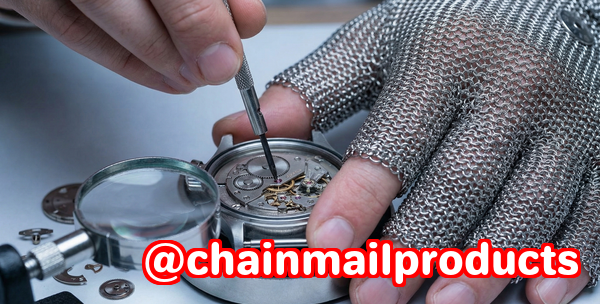
The Struggle to Find Quality Chainmail
When purchasing chainmail, the options can feel overwhelming. You want protection, durability, and authenticity, but how do you distinguish a high-quality piece of steel from something that’s purely decorative? I’ve been there myselfstanding in front of an endless row of chainmail, wondering which one will actually hold up to the task. For instance, let’s say you’re buying chainmail for industrial usesuch as in food processing or for cut-resistant gloves. A low-quality product might not only fail to protect, but it could also compromise the integrity of your work environment.
As a buyer or collector, it can also be tough to figure out what makes some pieces more expensive than others. Is it the material, the craftsmanship, or just the brand? In this post, I’ll walk you through the most important aspects of inspecting chainmail for quality, so you can make an informed decision every time you purchase.
Common Chainmail Pain Points and How to Avoid Them
When it comes to chainmail, there are several common pitfalls that buyers tend to encounter. These issues can make it hard to identify high-quality chainmail and could result in a disappointing purchase. Let’s explore the three major pain points and how you can avoid them.
1. Open Rings vs. Welded Rings
One of the most noticeable differences between high-quality and low-quality chainmail lies in the rings. It can be tempting to assume that all rings are created equal, but that’s far from true. Some chainmail is made with “open rings” that are simply linked together without welding, while others use “welded rings,” which are far more durable.
Open rings are more likely to break or come apart over time, which is a problem if you’re relying on the chainmail for protection or durability. In fact, I’ve had clients tell me they’ve used open-ring chainmail for food processing, only to find that it falls apart after a few uses.
Tip: To check if the rings are welded, gently pull apart a few rings. Welded rings will be solid and won’t open up, while open rings can easily be pried apart.
2. Material Quality: Stainless Steel Grades
Not all stainless steel is the same. You might hear about “304 stainless steel” and “316 stainless steel”but what does this mean for chainmail? In short, 316 stainless steel is far more resistant to corrosion and wear than 304, making it a better choice for high-durability uses like industrial cut protection or food handling.
Tip: If you’re buying chainmail for industrial or food handling use, be sure to check that it’s made from 316 stainless steel, as it resists corrosion much better than 304. For cosplay or decorative purposes, 304 can still be a great option.
3. Weak Weaves or Inconsistent Patterns
Chainmail is all about the weave. Weaving patterns like the classic European 4-in-1 design (where each ring is woven through four other rings) provide the strength and flexibility needed for effective protection. A weak or inconsistent weave means that the chainmail won’t stand up to wear and tear and will lose its integrity over time.
I once bought a chainmail shirt that looked great at first, but after a few weeks of use, the weave started to loosen. The problem? The rings weren’t woven tightly enough, leading to a weak structure.
Tip: Inspect the weave pattern. The European 4-in-1 pattern should be consistent and tightly woven. Look for any irregularities or loose rings that could compromise its strength.
Aegimesh Chainmail: Your Guide to Quality Chainmail Inspection
Aegimesh is proud to offer a detailed inspection guide to help you evaluate chainmail before making a purchase. Whether you’re buying for industrial use, cosplay, or as part of a collection, it’s crucial to be able to assess the quality of the chainmail.
Here’s a simple step-by-step process to help you evaluate chainmail before you buy:
1. Material Check
-
304 vs. 316 Stainless Steel: Check the product details. If it’s for industrial or food use, 316 is your best bet.
-
Corrosion Resistance: Does the chainmail look like it will rust? If it’s stored outdoors or exposed to moisture, ensure it’s resistant to corrosion.
2. Ring Inspection
-
Welded or Open?: Use the “pull test” to check if the rings are welded. A welded ring will hold together without opening up.
-
Wire Thickness: A thicker wire is generally stronger. Look for products with wire that seems substantialnot flimsy.
3. Weave Pattern Evaluation
-
European 4-in-1 Weave: Look for a tight, consistent weave. The rings should be interlinked in a way that makes the fabric strong and flexible.
-
Consistency: Any loose rings or irregular patterns could indicate poor craftsmanship.
4. Pull Test for Strength
-
If possible, give the chainmail a gentle pull. The rings should be securely attached, and there should be no significant give.
5. Check for Signs of Corrosion
-
If you’re inspecting used or vintage chainmail, look for signs of rust or discoloration. Corroded steel won’t be as durable and can weaken over time.
Why Quality Matters: The Benefits of Proper Chainmail Inspection
When you buy high-quality chainmail, you’re not just investing in a productyou’re investing in safety, durability, and peace of mind. Here’s how it benefits you:
-
Avoid Unsafe Chainmail: Poorly crafted chainmail can fall apart at the worst possible time. With proper inspection, you can avoid unsafe products.
-
Ensure Durability: Chainmail made from high-quality materials and expertly woven will last for years. You won’t have to replace it constantly.
-
Save Money: By identifying low-quality products upfront, you avoid spending money on replacements or, worse, getting injured.
-
Understand Material Quality: Knowing how to differentiate between 304 and 316 stainless steel can save you from making a poor decision based on looks alone.
Conclusion: My Recommendation for Chainmail Buyers
When it comes to chainmail, don’t let flashy marketing or the allure of a good price fool you. Take the time to inspect the product thoroughly. Use the steps outlined above to check the material, welds, wire thickness, and weave pattern. I highly recommend following these steps to ensure that any chainmail you purchase meets the safety and durability standards you need, whether you’re using it for industrial purposes, cosplay, or just adding it to your collection.
Ready to take the next step? Learn more about identifying high-quality chainmail products: Aegimesh Chainmail Inspection Guide
Frequently Asked Questions (FAQ)
1. How can I tell if a chainmail ring is welded or open?
Look closely at the rings. Welded rings will have a seamless, solid connection, while open rings can be pulled apart.
2. Which stainless steel grade is best for long-lasting chainmail?
For maximum durability and corrosion resistance, 316 stainless steel is the best choice, especially for industrial or food processing use.
3. How do I inspect the weave pattern for strength?
Check for the European 4-in-1 weave pattern. The rings should be tightly interwoven, without any gaps or loose rings.
4. What are the signs of low-quality or unsafe chainmail?
Look for irregular or weak weaves, open rings, thin wire, and any signs of corrosion. These are all red flags for poor craftsmanship.
5. Can decorative chainmail be used for protective purposes?
Decorative chainmail may not provide the same level of protection as industrial-grade chainmail, as it might have open rings or weaker weaves. Always check for welds and material quality.
6. How do I choose the right chainmail for industrial vs. cosplay use?
For industrial use, prioritize corrosion-resistant, welded rings, and durable weaves like European 4-in-1. For cosplay, you can opt for more decorative pieces, but still make sure the rings are securely welded and made from stainless steel.
7. What should I look for in a chainmail product to ensure it’s safe for food handling?
Always choose chainmail made from 316 stainless steel for its superior resistance to corrosion. Ensure the rings are welded and the weave is strong enough to handle frequent use.
By understanding the details that make up quality chainmail, you can make confident decisions every time you buy. Happy shopping, and stay safe!