
How Steel Chainmail Saves Lives in Combat Situations
When it comes to protection in combat, few materials have stood the test of time like steel chainmail. From ancient warriors to modern-day industrial workers, the versatility and strength of chainmail have proven to be essential for personal safety. But with so many types of chainmail on the market today, how can you be sure you’re purchasing the real dealsomething that offers protection, durability, and value?
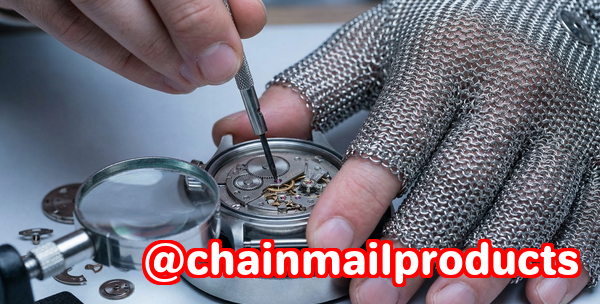
As someone who’s been involved in both historical reenactments and industrial safety for years, I know firsthand how difficult it can be to distinguish high-quality steel chainmail from poor imitations. And whether you’re buying for cosplay, food handling, or combat gear, quality is paramount. In this article, I’m going to walk you through some of the essential tips for identifying genuine, high-quality steel chainmail. I’ll also show you how Aegimesh Chainmail can help you make informed decisions about your purchase.
Understanding the Importance of Steel Chainmail Quality
Chainmail has been used for thousands of years to protect warriors in battle, and its core function remains unchanged: to absorb and distribute the force of a blow, thereby preventing or reducing injury. But not all chainmail is made equally. Some are designed for display purposes, while others are meant for actual protection. So how can you tell the difference?
The answer lies in the materials, construction, and craftsmanship of the chainmail. High-quality chainmail is made from durable stainless steel and features a tightly woven pattern that resists breaking or bending under pressure. But low-quality chainmail can be flimsy, poorly welded, and prone to corrosion, making it unsafe for industrial or combat use.
Here are some of the most common issues that buyers face when evaluating chainmail:
-
Welded vs. Open Rings: One of the most noticeable differences between high-quality and low-quality chainmail is whether the rings are welded or open. Welded rings offer far more durability, especially in high-stress environments like combat or industrial settings.
-
Stainless Steel Grade Confusion: Not all steel is created equal. Some types of stainless steel, such as 304, are more prone to rust and corrosion, while others, like 316, are highly resistant to rust and staining.
-
Inconsistent Weave Patterns: The weave pattern, such as the popular European 4-in-1, plays a big role in the strength of the chainmail. A poorly woven piece can break easily, leaving you vulnerable.
Let’s break down these factors in more detail and look at how you can use them to evaluate chainmail quality.
1. Inspecting Material and Welding
When it comes to steel chainmail, the material and welding technique make all the difference in its effectiveness. Low-quality chainmail often uses inferior metals or open rings, which can compromise its ability to protect against cuts or impacts.
Welded Rings vs. Open Rings:
-
Welded rings are fused together at the joint, making the structure much stronger and more resistant to damage. These are ideal for protection in combat or industrial settings, where you need durability.
-
Open rings, on the other hand, are simply interlocked without any welding. They’re typically used in decorative or cosplay chainmail, but they lack the strength needed for real protection.
Stainless Steel Grades:
Not all stainless steel is created equal. In chainmail, two common grades are used: 304 and 316.
-
304 Stainless Steel is corrosion-resistant but may begin to show signs of rust over time, especially when exposed to harsh environments. While it’s acceptable for decorative purposes, it’s not ideal for high-stress or high-moisture environments.
-
316 Stainless Steel is more resistant to corrosion and staining, making it perfect for industrial, food processing, or combat-use chainmail.
When purchasing, always check the grade of stainless steel used. Aegimesh Chainmail, for example, uses 316 stainless steel, ensuring the durability and rust-resistance you need for long-term use.
2. Weave Patterns and Ring Thickness
The pattern and thickness of the weave play a huge role in the overall durability of the chainmail. One of the most common and strongest weave patterns used in chainmail is the European 4-in-1 weave. This pattern interlocks four rings around one central ring, creating a dense and sturdy structure.
Weave Patterns:
-
A high-quality European 4-in-1 weave provides excellent protection against cutting and slashing. This weave is commonly used in combat situations and industrial settings due to its strength and flexibility.
-
Poorly woven chainmail may use a looser pattern that is more prone to damage or breaking under pressure.
Ring Thickness and Diameter:
-
Wire Thickness: Thicker rings offer more protection but may also make the chainmail stiffer and harder to wear. You’ll want to strike a balance based on your intended use.
-
Inner Diameter: The inner diameter of the rings affects how closely the rings fit together. Smaller inner diameters result in a tighter, more effective weave, while larger diameters may weaken the chainmail’s ability to resist cuts.
3. Inspecting for Corrosion or Damage
One of the biggest problems with low-quality chainmail is that it’s prone to corrosion and rust, especially if the metal isn’t of a high grade. Chainmail that shows signs of corrosion is not only less effective but can also be dangerous to wear or use. Here’s how to inspect for this:
-
Visual Inspection: Look for any discoloration or pitting on the steel rings. These are often signs of rust or poor material quality.
-
Pull Test: Gently pull a few rings apart to see if they feel weak or brittle. Good-quality chainmail should not break or bend easily. If the rings break apart or feel fragile, it’s a sign that the chainmail is unsafe.
4. Practical Guidance: How to Test and Choose the Right Chainmail
Knowing how to inspect chainmail is essential for making an informed purchase. Here’s a simple step-by-step guide to evaluate chainmail before buying it:
-
Check the Material: Confirm whether the chainmail is made from high-quality 316 stainless steel. If it’s not labeled, ask the seller for details.
-
Look at the Rings: Inspect whether the rings are welded or open. Welded rings are a must for durability and protection.
-
Examine the Weave: Check for a European 4-in-1 pattern, which is one of the strongest and most reliable.
-
Test the Strength: Perform a simple pull test by gently pulling a few rings. They should not break or bend easily.
-
Inspect for Corrosion: Check for any signs of rust or corrosion, especially if the chainmail will be exposed to moisture or harsh conditions.
By following these steps, you can avoid low-quality or unsafe purchases that may compromise your safety or fail to meet your expectations.
Conclusion: Ensuring a Safe, Durable Purchase
When you purchase steel chainmail, whether it’s for industrial use, cosplay, or combat, quality should be your top priority. By following the steps outlined above, you can ensure that you’re investing in a high-quality product that will stand up to wear and tear. I highly recommend using these tips to inspect any chainmail you’re considering for purchase.
For more information on how to choose and inspect chainmail, check out the detailed chainmail inspection guide on the Aegimesh website. With the right knowledge and tools, you can confidently select the best chainmail for your needs, saving money and ensuring your safety in the long run.
FAQ
1. How can I tell if a chainmail ring is welded or open?
A welded ring will be solid and seamless, while an open ring will have a visible gap. Welded rings are far more durable and are typically used for protective chainmail.
2. Which stainless steel grade is best for long-lasting chainmail?
For maximum corrosion resistance and durability, 316 stainless steel is the best choice. It’s ideal for industrial use, food processing, and combat situations.
3. How do I inspect the weave pattern for strength?
Look for a tight, even weave such as the European 4-in-1 pattern. This provides the best balance between flexibility and strength.
4. What are the signs of low-quality or unsafe chainmail?
Signs include loose, poorly welded rings, visible rust, flimsy or inconsistent weaves, and rings that break or bend easily.
5. Can decorative chainmail be used for protective purposes?
While decorative chainmail may look appealing, it’s usually made from open rings and isn’t suitable for protection. Always choose welded, high-quality chainmail for safety.
6. How do I choose the right chainmail for industrial vs cosplay use?
For industrial use, choose chainmail made from 316 stainless steel with a welded European 4-in-1 weave. For cosplay, open rings may be acceptable, but you should still look for well-made, durable pieces.
Tags or Keywords
chainmail quality, welded rings, stainless steel chainmail, cut-resistant chainmail, chainmail inspection, European 4-in-1 weave