
Steel Chainmail: A Unique Approach to Personal Protection
When purchasing chainmail for protection, display, or cosplay, it’s easy to feel overwhelmed by the vast number of options out there. The market is full of varying quality, and determining which products are truly high-quality can be a real challenge. As a buyer, collector, or professional user, you want to ensure that you’re making a smart investment in a product that will stand the test of time.
How do you know if you’re getting the durability and protection you need? How can you confidently say that the chainmail you’re eyeing is built to last, or safe enough for industrial or food-handling use? Many of us, myself included, have felt this frustration. That’s why I want to walk you through some of the most important factors to consider when evaluating steel chainmail, and show you how Aegimesh’s Chainmail can make this process easier for you.
Common Pain Points When Evaluating Chainmail Quality
Let’s face it: chainmail can be an expensive purchase, whether you’re buying it for cosplay, historical reenactments, or industrial use. Unfortunately, there are many low-quality products out there that can mislead even the most experienced buyers. So, let’s break down some common pain points and mistakes people often make when evaluating chainmail.
1. Difficulty Identifying Welded Rings vs Open Rings
This is probably one of the most important issues I’ve encountered when buying chainmail. Welded rings are much stronger and more durable than open rings, which simply rely on a clasp to hold them together. It’s tough for the untrained eye to distinguish between the two, but it’s crucial. Welded rings won’t come apart under pressure, while open rings can unravel, compromising the strength of the entire piece.
2. Uncertainty About Stainless Steel Grades
Another challenge is understanding which stainless steel grade is best suited for your needs. Chainmail made from lower-quality steel can rust, weaken, or lose its effectiveness over time. The two most common grades you’ll encounter are 304 and 316 stainless steel. While both are resistant to rust, 316 stainless steel offers better corrosion resistance, which is ideal for food processing or outdoor use.
3. Weak or Inconsistent Weaves
Weave patterns are another often-overlooked detail. The European 4-in-1 pattern is a popular choice for strong, durable chainmail, but not all manufacturers pay close attention to how tightly or evenly the rings are woven. Inconsistent weaves or sloppy craftsmanship can compromise the protective properties of the chainmail, especially in industrial settings where you need reliable cut resistance.
These issues can lead to unsafe purchases, especially if you’re buying chainmail for critical uses such as industrial cut protection, food handling, or historical re-enactments where safety and authenticity matter. Fortunately, understanding how to inspect your chainmail can save you from making these costly mistakes. Let’s look at some steps you can take to ensure you’re buying quality products.
How to Inspect Chainmail for Quality: A Simple Guide
Here’s the good news: evaluating the quality of chainmail doesn’t have to be a daunting task. With the right knowledge and a little time, you can perform your own inspection. Here’s how:
1. Check the Material Type: 304 vs 316 Stainless Steel
Start by checking the material used in the chainmail. If you’re looking for durability and resistance to corrosion, 316 stainless steel is the best option, especially for applications involving food handling or exposure to the elements. It’s more resistant to saltwater and other corrosive environments than 304 steel, which is typically fine for indoor or low-humidity environments.
2. Inspect the Ring Welding
If you’re unsure whether a chainmail ring is welded or open, look closely at the edges of the rings. Welded rings will have a noticeable seam where the two ends of the ring are fused together. Open rings, on the other hand, will be visibly split.
Here’s a simple test you can do: give the chainmail a gentle pull. If the rings hold firm without any separation, they’re likely welded. If they shift or separate slightly, you’re dealing with open rings.
3. Evaluate the Wire Thickness and Inner Diameter
The thickness of the wire and the inner diameter of the rings are key factors in the strength of the chainmail. For cut-resistant chainmail, thicker wire and smaller inner diameters tend to be stronger and more durable. When inspecting a product, you’ll want to make sure the wire gauge isn’t too thin, which could compromise its protective properties.
4. Check the Weave Pattern
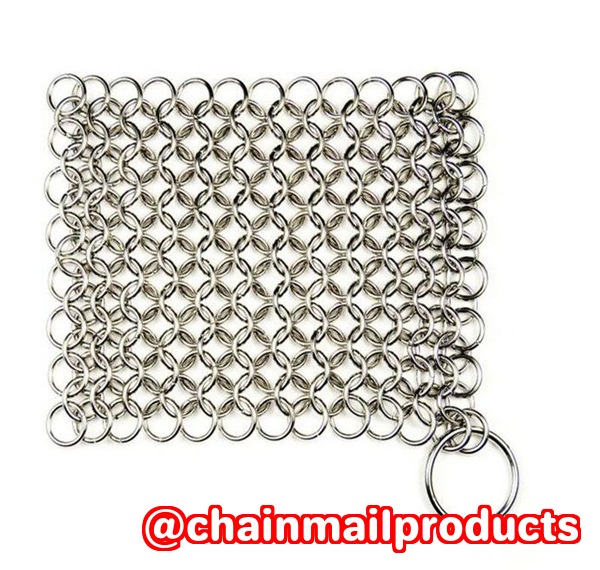
The European 4-in-1 weave is a traditional and highly effective weave pattern for chainmail. In this pattern, each ring passes through four others, which provides solid strength and flexibility. When inspecting chainmail, look at how evenly the rings are woven. A good weave should feel sturdy with minimal gaps between rings. Any loose or uneven areas might indicate a lack of craftsmanship.
5. Perform a Pull Test
This is a simple, quick way to gauge the quality of the chainmail. Hold a piece of the chainmail and pull gently in opposite directions. If the rings are welded and the weave is tight, the chainmail should stay intact. If there’s any give, you may want to reconsider the purchase.
Benefits of Proper Chainmail Inspection
By performing a simple inspection, you can save yourself a lot of hassle in the long run. Here are some of the benefits of evaluating chainmail properly:
-
Safety: Ensuring that the chainmail is made from welded rings and the right material will help avoid unsafe purchases, especially for industrial or food-processing use.
-
Durability: A thorough inspection ensures you’re getting a product that will last. Whether you’re using it for cosplay or in a professional environment, durability is key.
-
Cost-Effectiveness: By knowing what to look for, you’ll avoid low-quality products that don’t perform as expected, saving you money in the long run.
Conclusion: Invest in Quality Chainmail
After considering these factors, I highly recommend that you follow these inspection steps before making any chainmail purchase. Trust me, taking the time to check the material, welds, wire thickness, and weave will help you avoid many common mistakes.
When in doubt, it’s always helpful to reference Aegimesh Chainmail, which is designed with all these considerations in mind. Whether you’re in need of cut-resistant chainmail for industrial purposes, protective gear for food handling, or authentic historical chainmail for reenactments, Aegimesh has you covered.
For more detailed information on chainmail inspection and how to choose the best products for your needs, visit our full guide on the website: Learn more about identifying high-quality chainmail products.
Frequently Asked Questions (FAQ)
1. How can I tell if a chainmail ring is welded or open?
You can look for a visible seam on the ring or perform a pull test. Welded rings will stay intact under pressure, while open rings will pull apart.
2. Which stainless steel grade is best for long-lasting chainmail?
For durability and corrosion resistance, 316 stainless steel is the best option. It offers superior protection against rust, especially in outdoor or food-handling environments.
3. How do I inspect the weave pattern for strength?
Look for even, tight weaves with minimal gaps between the rings. The European 4-in-1 pattern is a good indicator of strength.
4. What are the signs of low-quality or unsafe chainmail?
Signs include loose rings, uneven weaves, open rings instead of welded rings, and thin wire or larger inner diameters that compromise the protective strength.
5. Can decorative chainmail be used for protective purposes?
While decorative chainmail may look appealing, it’s often not built to handle the same stresses as protective chainmail. Always check the material, ring welding, and weave pattern before considering it for protection.
6. How do I choose the right chainmail for industrial vs cosplay use?
For industrial use, focus on cut-resistant chainmail made from durable welded rings and 316 stainless steel. For cosplay, comfort and appearance may take precedence, but make sure the rings are welded and the weave is consistent.
Tags/Keywords: chainmail quality, welded rings, stainless steel chainmail, cut-resistant chainmail, chainmail inspection, European 4-in-1 weave.