
Understanding the Different Grades of Steel for Chainmail
When it comes to purchasing chainmail, whether for cosplay, historical reenactment, industrial protection, or even food processing, one of the biggest challenges is knowing how to differentiate high-quality products from poor imitations. I’ve lost count of how many times I’ve heard people say, “I didn’t even realize there was a difference in steel grades, let alone how to tell if the chainmail is safe to use!” If you’ve ever found yourself asking the same question, you’re not alone.
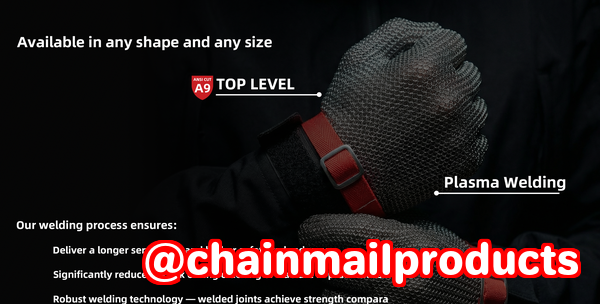
Chainmail, while beautiful and highly functional in a variety of industries, comes in many forms and materials, with some of the biggest distinctions lying in the type of steel used. The difference between the best and the worst can be something as simple as a higher-quality steel grade or a poorly welded ring. This guide will walk you through the essential steps to help you evaluate chainmail quality, understand the steel grades used, and ensure that your purchase is safe, durable, and worth every penny.
The Challenge of Identifying Quality Chainmail
As with any product, not all chainmail is created equal. The reality is that many buyers especially newcomers don’t know where to start when it comes to quality control. Whether you’re purchasing chainmail for industrial use, cosplay, or as a collectible, you’re likely looking for durability, safety, and strength. Unfortunately, it can be tricky to know what to look for.
One of the most common issues I’ve seen is a lack of awareness about welded versus open rings. It’s easy to mistake a cheap piece for something higher-quality, but once you start using it, that’s when the flaws really show. Similarly, not understanding the differences between stainless steel grades can lead to expensive mistakes, especially when corrosion resistance is critical.
Aegimesh Chainmail offers an effective solution to these problems by providing a simple inspection guide that will help you quickly assess whether the chainmail you’re considering is worth the investment. This guide focuses on the three main factors that define chainmail quality: the material, the weave pattern, and the craftsmanship.
How to Inspect Chainmail: Practical Tips and Guidance
1. Check the Material: 304 vs 316 Stainless Steel
One of the first things you’ll want to evaluate is the type of steel used. The two most common types of stainless steel used in chainmail are 304 and 316. Understanding the differences is critical for ensuring long-term durability, particularly in industrial settings or for outdoor use.
-
304 Stainless Steel: Often used for decorative or lighter-duty chainmail, 304 steel is highly resistant to corrosion in normal conditions. However, it’s not ideal for high-moisture or saltwater environments, as it can corrode over time.
-
316 Stainless Steel: This grade is a step up from 304, offering superior resistance to corrosion, particularly in harsh environments like food processing, marine applications, or anywhere high moisture is a concern. If you’re buying chainmail for industrial use, 316 steel is your best bet.
Look for product specifications that clearly state the steel grade. If you’re unsure, don’t hesitate to ask the seller for more details about the material used.
2. Inspect the Rings: Welded vs Open Rings
The next step is checking the rings themselves. This can be a bit tricky for beginners, but there’s an easy way to distinguish welded rings from open rings.
-
Welded Rings: Welded rings are fused together at the seam, creating a solid, secure bond. This type of ring is far more durable and will resist pulling apart over time. Welded rings are ideal for industrial applications like cut-resistant chainmail.
-
Open Rings: These rings are simply bent into shape and not welded shut. While open rings may be fine for decorative or lightweight chainmail (like for cosplay), they don’t offer the same strength or longevity as welded rings.
To perform a quick test, pull gently on a few of the rings. If they feel loose or come apart, you’re likely dealing with open rings.
3. Examine the Weave Pattern: European 4-in-1
The weave pattern is another vital factor in assessing chainmail strength. The European 4-in-1 weave is one of the most popular and strongest patterns used in chainmail production.
-
European 4-in-1: This weave pattern involves each ring passing through four other rings, which ensures excellent strength and durability. This pattern is commonly used in both decorative and protective chainmail products. It’s ideal for scenarios where you need extra strength and flexibility.
If you’re purchasing chainmail for industrial or protective use, double-check that the weave pattern is sturdy and tightly woven. For lighter-duty purposes like cosplay or historical reenactments, a 4-in-1 weave will usually be sufficient, but it’s always good to verify.
The Benefits of Proper Chainmail Inspection
By following these inspection tips, you’ll be able to avoid purchasing low-quality chainmail that could fail during use. Here are a few benefits of performing these evaluations:
-
Avoiding Unsafe Purchases: If you’re purchasing chainmail for industrial use, a poor-quality product can pose serious safety risks. Imagine wearing a weak or corroded chainmail apron while handling sharp objects in a food processing plant. That’s a safety hazard waiting to happen.
-
Ensuring Durability: Whether for cosplay or industrial use, you want your chainmail to last. By checking the quality of the steel and ensuring the rings are welded properly, you’re making sure the product can withstand wear and tear.
-
Saving Money: No one wants to waste money on cheap, unsafe, or poorly made chainmail. By learning how to spot the signs of low-quality products, you can avoid paying for something that’s not up to standard.
Conclusion: Don’t Settle for Less
In summary, inspecting chainmail for quality doesn’t have to be complicated. Focus on these key aspects:
-
The material (304 vs 316 stainless steel)
-
The type of rings (welded vs open)
-
The weave pattern (look for European 4-in-1)
I highly recommend following these simple inspection steps to ensure any chainmail purchase meets safety and durability standards. Whether you’re looking for industrial protection, cosplay accessories, or historical replicas, you deserve to invest in chainmail that will perform well and last for years.
Ready to get started? Learn more about identifying high-quality chainmail products and check out our detailed chainmail inspection guide today!
FAQs
-
How can I tell if a chainmail ring is welded or open?
-
Gently pull on the ring. If the ends are sealed together without a visible gap, it’s a welded ring. If there’s a slight separation, it’s open.
-
-
Which stainless steel grade is best for long-lasting chainmail?
-
316 stainless steel is the most durable and resistant to corrosion, making it the best choice for long-lasting chainmail.
-
-
How do I inspect the weave pattern for strength?
-
Check if the rings pass through multiple other rings in a pattern like the European 4-in-1. This pattern provides maximum strength and durability.
-
-
What are the signs of low-quality or unsafe chainmail?
-
Weak, open rings, corroded or rusted steel, and loose or inconsistent weaves are all signs of low-quality chainmail.
-
-
Can decorative chainmail be used for protective purposes?
-
Decorative chainmail is usually made with open rings and thinner steel, making it unsuitable for protective purposes. Always check if the chainmail is specifically designed for protection.
-
-
How do I choose the right chainmail for industrial vs cosplay use?
-
For industrial use, choose chainmail made with welded rings and 316 stainless steel for strength and corrosion resistance. For cosplay, lighter, decorative chainmail with 304 stainless steel may suffice.
-
-
What makes European 4-in-1 the strongest weave pattern?
-
European 4-in-1 weave offers a balance of flexibility and strength, as each ring is interlocked with four others, creating a durable, strong grid structure.
-
Tags or Keywords
-
chainmail quality, welded rings, stainless steel chainmail, cut-resistant chainmail, chainmail inspection, European 4-in-1 weave, steel metal chainmail durability
Explore Aegimesh Chainmail Software at: https://www.aegimesh.com/