
How Steel Chainmail Armor Prevents Injury in High-Risk Jobs
When you’re working in a high-risk jobwhether it’s in a warehouse, a kitchen, or even in historical reenactmentsthe last thing you want is to be let down by your protective gear. That’s where steel chainmail armor comes into play. But, as with any product, the quality of the chainmail you choose can make all the difference. I’ve seen it happen before: a worker buys what they think is high-quality chainmail, only to find it doesn’t hold up under pressure. Or a cosplayer who spends hours crafting a costume, only to realize the rings aren’t properly welded, and the whole thing falls apart after a few uses.
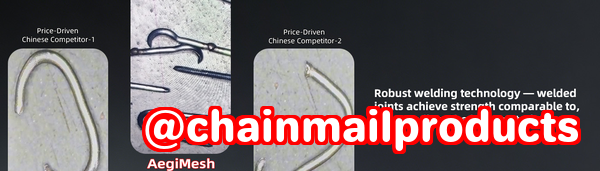
I get it. Chainmail can be tricky to evaluate, and you don’t want to waste your time or money on low-quality or unsafe gear. So how do you know what makes chainmail good? How can you spot potential issues before they become costly or dangerous problems? Let’s dive into what makes steel chainmail armor effective for high-risk jobs and how you can evaluate its quality before making a purchase.
Common Problems When Evaluating Chainmail
Chainmail is a fantastic protective material when made correctly, but here are some common issues people face when choosing it:
-
Welded vs. Open Rings
It’s easy to confuse welded rings with open ones. Welded rings are far superior for durability and safety. Open rings, on the other hand, can easily come apart under stress, which can leave you exposed to injury.
-
Uncertainty about Material Quality
Chainmail can be made from various types of steel, and not all of them are created equal. Some products might use lower-quality steel that rusts or wears down over time, while others use higher grades that can withstand harsh environments.
-
Weak Weaves
The way the rings are woven together is crucial for strength. Weave patterns like the European 4-in-1 are popular because they offer superior protection, but not all manufacturers pay attention to the consistency of the weave. An inconsistent or poorly made weave can drastically reduce the effectiveness of your chainmail.
These issues can be tricky to detect at first glance, but that’s where proper inspection methods come in. If you know how to evaluate the quality of chainmail, you’ll be able to avoid these pitfalls and make an informed decision.
How to Inspect Steel Chainmail for Quality
Let’s take a look at the key aspects you need to inspect when evaluating chainmail, whether you’re purchasing it for industrial use, cosplay, or historical reenactments.
1. Material Type: 304 vs 316 Stainless Steel
The material used in your chainmail plays a huge role in its durability, especially if it’s going to be exposed to harsh conditions like moisture or extreme heat. The two most common types of stainless steel used in chainmail are 304 and 316. Here’s the difference:
-
304 Stainless Steel: This is the most common steel used in chainmail. It’s resistant to rust and corrosion, but not ideal for environments that involve prolonged exposure to saltwater or chemicals. This steel is good for indoor use or environments with minimal exposure to harsh elements.
-
316 Stainless Steel: Often referred to as “marine grade,” this is the premium option. It’s more resistant to corrosion, especially in environments with saltwater or chemicals. If you’re in an industrial setting or working around food, this is the type you’ll want for its durability.
2. Inspecting the Rings: Welding and Thickness
The next step in evaluating chainmail is checking the rings themselves. Here’s what to look for:
-
Welded vs Open Rings: This is the most important factor for safety. Welded rings are more secure, as the ends are fused together, preventing the rings from separating under pressure. Open rings, on the other hand, can easily break apart, rendering your chainmail ineffective.
-
Ring Thickness: The thickness of the wire used in the rings also affects the overall strength of the chainmail. Thicker wires offer better protection, but they can also make the chainmail heavier. Balance is key here. Look for rings with a wire thickness that’s appropriate for the intended use. For example, cut-resistant chainmail used in industrial settings may require thicker rings, while lightweight chainmail for cosplay might use thinner wires.
-
Ring Diameter: The inner diameter of the rings impacts how tightly the chainmail is woven. A larger diameter means a looser weave, which can reduce the armor’s ability to stop cutting or stabbing forces. Smaller diameters provide a tighter weave, which increases protection but can be less comfortable to wear for extended periods.
3. Evaluating the Weave Pattern
The weave pattern is another critical factor for strength. The most common pattern used in chainmail is the European 4-in-1 weave, which means that each ring is connected to four other rings in a specific arrangement. This weave offers great protection and flexibility.
-
How to Check the Weave: The rings should be tightly woven, with no gaps or inconsistencies. A poor weave will result in areas where the chainmail can easily break or tear, leaving you vulnerable. Look for smooth, even loops that don’t snag or catch.
4. Conducting Simple Pull Tests
If you’re in doubt about the quality of a chainmail product, perform a pull test. This is an easy and effective way to check whether the rings are securely welded and whether the weave is strong enough to withstand stress.
-
How to Perform a Pull Test: Take a small section of the chainmail and pull on it in different directions. If the rings stay intact and the weave doesn’t separate, you’ve got a quality product. If the rings come apart or the weave becomes loose, it’s time to look for something better.
Why Chainmail Quality Matters
When you’re buying chainmail for high-risk jobs, there are several benefits to getting the inspection process right.
-
Avoid Unsafe Purchases: For industrial workers or food handlers, low-quality chainmail can mean the difference between injury and safety. Properly inspected, high-quality chainmail can withstand cuts, abrasions, and other hazards in the workplace.
-
Ensure Durability: High-quality chainmail lasts longer. Whether you’re a collector, a cosplayer, or using it for industrial purposes, durable chainmail will save you money over time because you won’t need to replace it as frequently.
-
Understand Material Quality: Knowing the differences between stainless steel grades and how they affect chainmail durability can help you make a better purchasing decision.
-
Save Money: Avoiding poor-quality products means you won’t waste money on replacements or repairs. You get exactly what you pay for when you buy the right chainmail.
Conclusion: Choosing the Right Chainmail for Your Needs
By following these simple steps, you can ensure that any chainmail you purchase will meet safety standards and provide the durability you need. I highly recommend inspecting the material, welding, thickness, diameter, and weave before making your decision. Whether you’re purchasing chainmail for industrial protection, cosplay, or historical reenactments, taking the time to inspect these aspects will help you avoid costly mistakes.
If you’re in the market for high-quality chainmail, be sure to check out our detailed chainmail inspection guide at Aegimesh Chainmail. Learn how to evaluate your chainmail purchases to ensure they’re safe, durable, and made with the highest standards.
FAQ
How can I tell if a chainmail ring is welded or open?
Welded rings are fused at the ends, while open rings are not. You can often feel the seam on open rings, while welded rings will be smooth to the touch.
Which stainless steel grade is best for long-lasting chainmail?
316 stainless steel is the most durable and corrosion-resistant, especially for industrial or food-processing environments. If you’re on a budget, 304 stainless steel is still a solid option.
How do I inspect the weave pattern for strength?
Look for even, tight loops with no gaps or inconsistencies. A good weave, like European 4-in-1, will provide both flexibility and protection.
What are the signs of low-quality or unsafe chainmail?
Signs include open rings, weak or inconsistent weaves, and thin wire that may break under stress.
Can decorative chainmail be used for protective purposes?
Decorative chainmail is often made with thinner wires and looser weaves, which aren’t ideal for protection. Always check the materials and weave before using it for safety.
How do I choose the right chainmail for industrial vs cosplay use?
For industrial use, prioritize thicker rings, a tighter weave, and corrosion-resistant steel like 316. For cosplay, lighter, more flexible chainmail made from 304 stainless steel may be more comfortable for long-term wear.
Tags or Keywords
-
chainmail quality
-
welded rings
-
stainless steel chainmail
-
cut-resistant chainmail
-
chainmail inspection
-
European 4-in-1 weave