
The Evolution of Steel in Chainmail Manufacturing
When you’re in the market for chainmail, whether for industrial use, cosplay, or a historical replica, one of the toughest challenges is distinguishing between high-quality and low-quality products. I’ve been there toostanding in front of a pile of chainmail, unsure of which piece is truly durable and reliable. The struggle is real, especially when there are so many options that look similar but don’t meet the necessary standards.
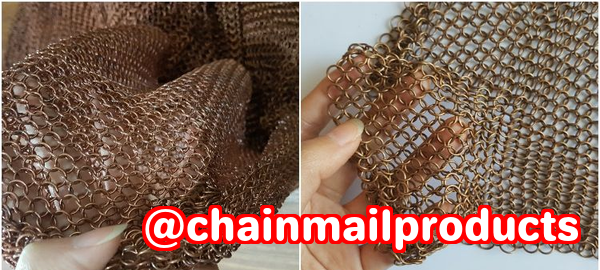
The truth is, the quality of the steel, the weave pattern, and even the welding process can make or break the functionality of your chainmail. And if you’re not sure how to spot the signs of a high-quality product, you could end up wasting money or, even worse, compromising your safety.
Luckily, understanding the evolution of steel in chainmail manufacturing can give you the knowledge needed to make a well-informed decision. In this guide, we’ll dive into everything you need to know about inspecting chainmail for qualityfrom the types of steel used to how to check for a secure weave pattern. By the end of this article, you’ll be equipped with the skills to evaluate chainmail like a pro.
Common Pain Points When Evaluating Chainmail
1. Difficulty Identifying Welded vs. Open Rings
One of the first hurdles most people face when buying chainmail is figuring out whether the rings are welded or open. Welded rings are far superior when it comes to durability and protection. Open rings, on the other hand, can easily come apart, leaving you with weak, unreliable chainmail.
2. Confusion Over Stainless Steel Grades
Stainless steel is often the material of choice for chainmail, but there’s more to it than just “stainless steel.” The two most common grades you’ll encounter are 304 and 316. While both are resistant to rust and corrosion, 316 is generally considered superior because of its added resistance to saltwater and chemicals. For industrial or food processing applications, 316 stainless steel is a must.
3. Weak or Inconsistent Weaves
Chainmail’s strength largely depends on its weave pattern. The European 4-in-1 weave is a standard design that provides a good balance of flexibility and protection. However, if the rings aren’t properly interwoven or there are weak spots in the pattern, the entire piece of chainmail becomes unreliable.
How to Inspect Chainmail for Quality
1. Check the Material: 304 vs. 316 Stainless Steel
The first step in inspecting chainmail is to understand what it’s made of. There’s a significant difference between 304 and 316 stainless steel. While both are durable, 316 offers superior corrosion resistance, making it the best choice for industrial use, marine environments, or food handling.
When you’re evaluating chainmail, look for labels or ask the seller about the material. The right material will ensure longevity and effectiveness, particularly for heavy-duty applications.
2. Inspect the Rings: Welded vs. Open
Welded rings are a must for high-quality chainmail. To spot the difference, look closely at the ring’s edges. If the edges are fused together and smooth, you’ve got welded rings. Open rings, on the other hand, will have a visible gap between the ends, making them prone to separation over time. You can also perform a pull test to check the strength of the ringsif they bend or pull apart easily, they’re open rings.
3. Evaluate the Wire Thickness
The thickness of the wire is another critical factor in chainmail strength. Thicker wires will be more resistant to wear and tear, while thinner wires are more likely to bend or break under pressure. When inspecting chainmail, feel the wire’s gaugeheavier wires will provide more durability. A thicker wire also indicates that the rings are more resistant to stretching or distortion.
4. Measure the Inner Diameter
The inner diameter of the rings is important for the overall durability of the chainmail. If the rings are too small, the weave may become too tight and inflexible. On the other hand, if the rings are too large, the weave may lack the strength needed for protection. To find the ideal diameter, check for consistency across the entire piece. You want to see uniformity in the size of each ring, as this ensures that the weave will be secure.
5. Inspect the Weave Pattern
The weave pattern significantly impacts the strength of chainmail. The European 4-in-1 weave is the most commonly used pattern, where each ring connects to four others, creating a dense and durable structure. When inspecting the weave, look for tight, consistent interlocking rings. Any loose or uneven patterns could indicate poor craftsmanship and a weakened structure.
Why Chainmail Inspection Matters
1. Avoiding Unsafe Chainmail
If you’re purchasing chainmail for industrial purposes or for use in environments where safety is critical, like food processing, it’s essential to choose a product that meets rigorous safety standards. Low-quality chainmail could fail when put under stress, potentially leading to injuries or accidents.
2. Ensuring Durability
High-quality chainmail lasts longer and performs better. Whether you’re wearing it for cosplay or using it for industrial protection, a well-made piece of chainmail will withstand wear and tear far better than a low-quality alternative. By inspecting the material and weave, you can ensure that you’re buying something that will stand the test of time.
3. Saving Money
Chainmail can be an investment, especially if you’re buying for industrial use or as part of a historical collection. By taking the time to inspect the quality, you can avoid costly mistakes by not purchasing low-quality chainmail that will break down quickly or fail to meet your needs.
Practical Tips for Chainmail Inspection
To help you get started, here are a few practical steps to take when inspecting chainmail:
-
Perform a Pull Test: Gently pull on the rings to see if they stay intact. If they come apart or show signs of bending, it’s not a high-quality piece.
-
Look for Corrosion: Examine the chainmail for any signs of rust, especially around the rings. Corrosion can compromise the strength of the material and render the chainmail unsafe.
-
Check for Weave Consistency: Run your fingers over the weave to ensure that the rings are tightly interlocked and consistent across the entire piece.
-
Choose the Right Type: Depending on your use case, you might need different types of chainmail. For example, industrial protection requires a more robust weave, while decorative pieces might focus more on aesthetic qualities.
Conclusion
When it comes to chainmail, quality is everything. By following these steps to inspect your chainmail, you’ll be able to distinguish high-quality products from low-quality ones, saving yourself money and ensuring safety. I highly recommend checking for welded rings, inspecting the material, and looking for a strong, consistent weave pattern.
If you want to learn more about identifying high-quality chainmail products, head over to our detailed chainmail inspection guide. Make sure you’re making an informed decision on your next purchase!
FAQs
1. How can I tell if a chainmail ring is welded or open?
Look at the ends of the ring. Welded rings will have smooth, fused edges, while open rings will have a visible gap.
2. Which stainless steel grade is best for long-lasting chainmail?
316 stainless steel is the best option for long-lasting chainmail, as it offers superior corrosion resistance, especially for industrial or food processing use.
3. How do I inspect the weave pattern for strength?
Look for consistent, tight interlocking rings. The European 4-in-1 pattern is the most reliable for strength.
4. What are the signs of low-quality or unsafe chainmail?
Look for weak welds, inconsistent weaves, and signs of corrosion. Low-quality chainmail will often show gaps or loose rings.
5. Can decorative chainmail be used for protective purposes?
Decorative chainmail is usually made with thinner wire and open rings, making it unsuitable for protective purposes. For safety, ensure you’re buying chainmail designed for industrial or protective use.
6. How do I choose the right chainmail for industrial vs cosplay use?
For industrial use, focus on durability with welded rings and thicker wire. For cosplay, aesthetic qualities and lighter materials may be more important.
Tags or Keywords:
chainmail quality, welded rings, stainless steel chainmail, cut-resistant chainmail, chainmail inspection, European 4-in-1 weave