
Steel Metal Chainmail Care to Extend Lifespan
When you’re in the market for chainmailwhether for industrial cut protection, food handling, cosplay, or a historical projecthow do you know if what you’re buying will stand the test of time? You want a product that’s durable, safe, and worth your investment, but the truth is, not all chainmail is created equal. I’ve been there myself, standing in front of a wide range of products, wondering how to tell the real deal from the imitations. If you’re in the same boat, you’re not alone. But the good news is, there are some clear ways to evaluate the quality of chainmail before you make a purchase.
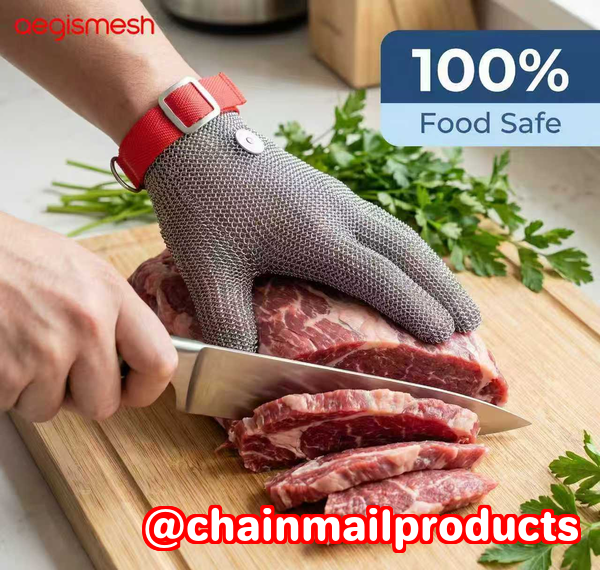
In this guide, we’ll dive into how to assess chainmail quality by focusing on the key areas that determine durability and safety. I’ll walk you through common pitfalls, give you practical tips on how to inspect chainmail, and help you make sure your next purchase is the real deal. Whether you’re a buyer, a collector, or a professional in need of high-quality cut-resistant chainmail, these steps will ensure you get the most out of your investment.
Understanding Chainmail Quality: Why It Matters
There’s nothing worse than buying a piece of chainmail that doesn’t meet your expectations. Maybe it’s a cosplay project, and you’ve spent hours assembling your outfit, only for the chainmail to tear after a few wears. Or perhaps you’re using it for food processing or industrial purposes, and the material fails to protect you when you need it most. I’ve seen all sorts of mistakes when it comes to choosing chainmail, but it’s easy to avoid these if you know what to look for.
When evaluating chainmail, there are a few common pain points that buyers face. Here are some of the most frequent concerns I’ve come across, and I’ll show you how to address them:
-
Welded Rings vs. Open Rings
Many people struggle to distinguish welded rings from open rings, which are crucial for durability. Open rings may seem fine at first, but they often break or open up over time, especially with heavy use. On the other hand, welded rings offer a more secure, long-lasting connection.
-
Choosing the Right Stainless Steel Grade
Not all stainless steel is created equal. For example, 304 stainless steel is common but less resistant to corrosion compared to 316 stainless steel, which is ideal for high-performance chainmail used in industrial and food-processing environments. Knowing which grade of steel is best for your needs can save you a lot of frustration later.
-
Weave Patterns and Their Strength
Different weave patterns provide different levels of strength. European 4-in-1, for example, is widely known for its durability and flexibility. If you’re using chainmail for protection, it’s essential to ensure that the weave pattern is solid and reliable. A weak weave can compromise the overall strength of the chainmail.
Aegimesh Chainmail: Your Guide to Quality Inspection
At Aegimesh, we understand how confusing it can be to evaluate chainmail quality, which is why we’ve created a step-by-step inspection guide. This guide covers everything from the material type to the weave pattern and ring thickness. Here’s what I recommend checking before you make your purchase:
1. Inspect the Material Type
The first step in assessing chainmail is determining the material. Stainless steel is the most common material used, and within that, you’ll find different grades. Two of the most popular are 304 and 316 stainless steel.
-
304 Stainless Steel: While it’s durable and widely used, it has a lower resistance to corrosion than 316 stainless steel. This makes it more suitable for decorative or light-use chainmail.
-
316 Stainless Steel: If you need chainmail for industrial or food-processing use, 316 stainless steel is a must. It’s more resistant to corrosion, especially in environments with salt or moisture, making it ideal for high-performance applications.
2. Check the Ring Welding and Thickness
Once you’ve identified the material, it’s time to take a closer look at the rings themselves. High-quality chainmail will use welded rings, which are much stronger and more durable than open rings. Open rings are not as securely joined, which can lead to breakage or deformity.
-
Welded Rings: Look for a smooth, even weld around the ring. Any gaps or rough spots could be a sign of poor craftsmanship.
-
Ring Thickness: Thicker rings typically provide better durability and protection. However, thinner rings may be more comfortable for lighter applications like cosplay. You can usually tell the thickness by holding a few rings in your hand and comparing them.
3. Examine the Inner Diameter of the Rings
The inner diameter (ID) of the rings affects the flexibility and strength of the chainmail. Ideally, the ID should be large enough to allow the rings to move freely, but not so large that the material weakens.
-
Too Large: Rings that are too large will create gaps in the weave, reducing protection and strength.
-
Too Small: Rings that are too small will make the chainmail stiffer and harder to move around, which could be uncomfortable for wearers, especially in cosplay or historical re-enactments.
4. Evaluate the Weave Pattern
The weave pattern is essential for determining the strength and flexibility of the chainmail. One of the most common and reliable patterns is the European 4-in-1 weave.
-
European 4-in-1: This classic pattern provides a strong, flexible structure that balances protection with comfort. It’s ideal for both protective and decorative applications.
Check the weave carefully to ensure it’s consistent and tight. A loose or irregular weave could mean that the chainmail isn’t durable enough for your intended purpose.
Practical Tips for Testing Chainmail Quality
While a visual inspection can tell you a lot, it’s always a good idea to perform a few simple tests to verify the quality of the chainmail:
-
Pull Test: Gently pull on a few rings to test their strength. If any of the rings come apart or bend, the chainmail is likely low-quality or poorly made.
-
Corrosion Check: Look for signs of rust, discoloration, or pitting. If you see any of these, the material is likely corroding or will do so quickly in the future.
-
Check for Flaws: Inspect the chainmail for any sharp edges, inconsistencies, or missed welds. These can be safety hazards, especially in industrial or food-related environments.
Conclusion: Make an Informed Chainmail Purchase
As you can see, inspecting chainmail for quality doesn’t have to be overwhelming. By following these stepschecking the material type, inspecting the welding, evaluating ring thickness, and examining the weaveyou can easily distinguish high-quality chainmail from low-quality products. I highly recommend taking the time to perform these inspections before making any purchase. Whether you’re using it for protection, cosplay, or historical re-enactments, investing in quality chainmail will save you money and ensure your safety in the long run.
To make the process even easier, I suggest using Aegimesh Chainmail’s inspection guide as your reference. With it, you can be confident in your choices and avoid unsafe or low-quality products.
Learn more about identifying high-quality chainmail products here.
FAQs
How can I tell if a chainmail ring is welded or open?
Look for a smooth, uniform weld around the ring. If there are gaps or rough spots, the ring is likely open.
Which stainless steel grade is best for long-lasting chainmail?
For industrial or food-related applications, 316 stainless steel is the best choice. It offers superior corrosion resistance. For lighter uses, 304 stainless steel will work well.
How do I inspect the weave pattern for strength?
Ensure the weave is tight and consistent, with no gaps or looseness. The European 4-in-1 pattern is a reliable option for both strength and flexibility.
What are the signs of low-quality or unsafe chainmail?
Look for signs of corrosion, weak welds, irregular weave patterns, or inconsistent ring thickness. These indicate poor craftsmanship and can lead to safety risks.
Can decorative chainmail be used for protective purposes?
While decorative chainmail may look good, it’s usually made with thinner rings and weaker materials. For protective uses, choose industrial-grade chainmail made with welded rings and 316 stainless steel.
How do I choose the right chainmail for industrial vs. cosplay use?
For industrial use, look for thick, welded rings made from 316 stainless steel. For cosplay, you can opt for lighter materials and smaller rings, but make sure the weave is still secure.
Tags/Keywords: chainmail quality, welded rings, stainless steel chainmail, cut-resistant chainmail, chainmail inspection, European 4-in-1 weave, chainmail durability.