
Steel Metal Chainmail and Modern Risk Management
When it comes to buying chainmail, whether for industrial use, cosplay, or as part of a historical collection, it’s easy to get lost in the sea of options available. I’ve personally found myself struggling with the same challenge: “How do I know which chainmail is genuinely high-quality?” If you’re in the same boat, you’re not alone. It’s a common dilemma among buyers, collectors, and professionals alike. From distinguishing between welded rings and open rings to choosing the right grade of stainless steel, the risks of buying poor-quality chainmail are real and can lead to costly mistakesor worse, safety hazards.
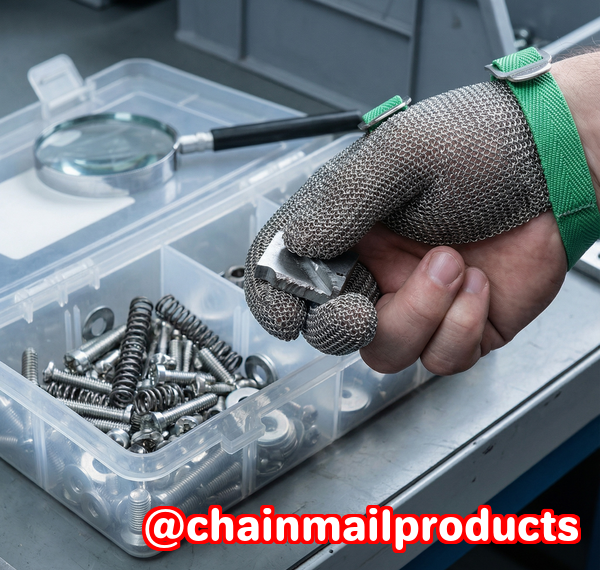
In this guide, I’ll walk you through the steps of evaluating chainmail to ensure it meets your needs for durability, safety, and functionality. Whether you’re purchasing chainmail for cut-resistant industrial work, food handling, or a cosplay project, the ability to spot high-quality products can save you money and provide peace of mind. Let’s dive into the process and discover how to identify the best chainmail products.
Common Challenges When Evaluating Chainmail Quality
Before we get into the nitty-gritty of chainmail inspection, let’s take a look at some of the most common pain points people face when evaluating chainmail quality:
-
Welded Rings vs. Open Rings
One of the biggest challenges when shopping for chainmail is knowing whether the rings are welded or simply open. Open rings are weaker and less durable, making them unsuitable for protective uses like cut resistance. But welded rings are tougher and provide a much stronger weave. Without inspecting carefully, you may end up with a product that can’t withstand the demands of industrial environments.
-
Confusion Over Stainless Steel Grades
Not all stainless steel is created equal. There are various grades, with 304 and 316 being the most commonly used for chainmail. The difference? 316 stainless steel is more corrosion-resistant, making it ideal for use in food processing, wet environments, or outdoor activities. But without knowing how to identify which grade you’re dealing with, you could make a purchase that doesn’t hold up to your needs.
-
Weak or Inconsistent Weaves
Whether you’re using chainmail for historical reenactments, cosplay, or industrial purposes, the quality of the weave is crucial for ensuring strength and durability. Weave patterns like the European 4-in-1 are well-regarded for their strength. However, poorly executed weaves can lead to weak spots, making the chainmail ineffective for protective purposes. Understanding how to inspect weave consistency is key to ensuring you get the best product.
Now that we’ve covered some of the common pain points, let’s move on to the steps you can take to identify high-quality chainmail and avoid poor purchases.
How to Inspect and Verify Chainmail Quality
The good news is that with a little knowledge and some careful attention, you can learn how to assess chainmail for quality. Here’s a simple step-by-step guide to inspecting your potential purchases:
1. Check the Material: 304 vs. 316 Stainless Steel
The first thing you should inspect is the material of the chainmail. Stainless steel is the go-to material for durable, long-lasting chainmail, but not all stainless steel is the same.
-
304 Stainless Steel: This is the most common grade and is resistant to rust and corrosion under normal conditions. However, it can still be vulnerable to corrosion in certain environments (e.g., salty air or food processing).
-
316 Stainless Steel: This grade is more corrosion-resistant than 304 and is ideal for harsh conditions, including food handling or outdoor environments where the chainmail is exposed to moisture or salt.
To determine the grade, you can often check with the manufacturer or look at the product description. A good seller will always include this information to help you make an informed choice.
2. Inspect the Ring Welding
Next, let’s talk about the rings. Chainmail rings should be welded to ensure the strength of the weave. Unwelded (open) rings are often cheaper but will not offer the same level of durability or safety. You can check the welding by looking closely at the edges of the rings to ensure they’re fused shut and not just bent. A simple tug on the rings can also help you verify their durabilitywelded rings should not budge or break under pressure.
3. Evaluate the Wire Thickness and Inner Diameter
The thickness of the wire used for the rings plays a significant role in determining how strong the chainmail will be. A thicker wire results in stronger rings, which are crucial for applications like industrial cut resistance or protective wear.
-
Tip: Use a caliper to measure the wire thickness. If it’s too thin, it may not provide the protection you need.
Similarly, the inner diameter of the rings also affects how well the chainmail will hold up over time. Rings that are too wide may make the weave weaker, while rings that are too narrow can cause tightness and wear down faster.
4. Examine the Weave Pattern
The pattern of the chainmail is not just for decoration; it’s essential for strength. One of the most popular weave patterns is the European 4-in-1 weave, which interlocks four rings for each one, creating a tight and durable structure.
-
To inspect the weave, gently bend a section of the chainmail to see how it moves. The weave should remain tight and consistent, with no loose or uneven rings.
5. Conduct a Pull Test
A simple but effective test for determining the strength of the chainmail is the pull test. Hold a section of the chainmail and pull it in opposite directions. A high-quality chainmail should not tear or stretch excessively under moderate pressure. If you notice any give, it may indicate poor-quality craftsmanship or weak rings.
6. Check for Corrosion or Damage
Corrosion is a major issue for chainmail, especially if it’s exposed to moisture or harsh chemicals. Check for any signs of rust or discoloration, which can weaken the material over time. Make sure to inspect the edges of the rings and the joints where they meet to ensure that there are no signs of deterioration.
Why Proper Chainmail Inspection Matters
Now that you know how to evaluate chainmail, it’s important to understand why proper inspection matters so much. A thorough inspection can help you:
-
Avoid Unsafe Purchases: Whether you’re buying chainmail for industrial cut protection, food handling, or cosplay, you want to make sure it’s up to the task. Low-quality chainmail can be ineffective or even dangerous.
-
Ensure Durability: High-quality chainmail can last for years with proper care, while cheap imitations may need replacing sooner.
-
Save Money: By identifying poor-quality chainmail early on, you can avoid wasting money on products that won’t stand the test of time.
-
Match the Right Chainmail to Your Purpose: Whether you’re purchasing for cosplay or industrial use, understanding how to evaluate chainmail will help you select the best product for your needs.
Conclusion: The Importance of Chainmail Inspection
In conclusion, I highly recommend following these steps to ensure any chainmail purchase meets safety and durability standards. It’s not just about saving moneyit’s about investing in a product that performs well, whether you’re using it for industrial work, cosplay, or historical reenactments. By checking the material, inspecting the rings and weave, and performing basic tests, you can avoid the common pitfalls of poor-quality chainmail.
For more information on how to properly evaluate chainmail products, be sure to check out our detailed chainmail inspection guide.
FAQs
1. How can I tell if a chainmail ring is welded or open?
Look closely at the edges of the rings. If they are welded, you’ll see a clean, fused joint. If they’re open, the ring will just be bent at the ends.
2. Which stainless steel grade is best for long-lasting chainmail?
316 stainless steel is the most corrosion-resistant and ideal for food handling or outdoor use. For less harsh environments, 304 stainless steel is sufficient.
3. How do I inspect the weave pattern for strength?
Check the consistency of the weave by gently bending the chainmail. The European 4-in-1 weave should remain tight, with no loose rings or weak spots.
4. What are the signs of low-quality or unsafe chainmail?
Look for signs of rust, weak rings, or loose weaves. Also, avoid chainmail with open rings or low-quality stainless steel that can corrode easily.
5. Can decorative chainmail be used for protective purposes?
While decorative chainmail may look appealing, it’s typically not durable enough for protective use. Ensure it’s made from high-quality welded rings and suitable stainless steel for protection.
6. How do I choose the right chainmail for industrial vs cosplay use?
For industrial use, opt for thicker wire and a durable weave like European 4-in-1, made with corrosion-resistant stainless steel. For cosplay, aesthetics are key, but you should still choose durable materials to ensure longevity.