
Steel Metal Chainmail Market Analysis for Safety Managers
When you’re in charge of safety in an industrial environment, you know the importance of high-quality protective gear. But when it comes to chainmail, one of the most trusted materials for cut protection, determining what constitutes “high-quality” can be tricky. With so many options available in the market, how can you be sure that what you’re purchasing is truly up to the task? In this post, I’ll walk you through how to identify quality chainmail, the kind that can stand up to the toughest environments, and how to avoid the pitfalls of subpar products.
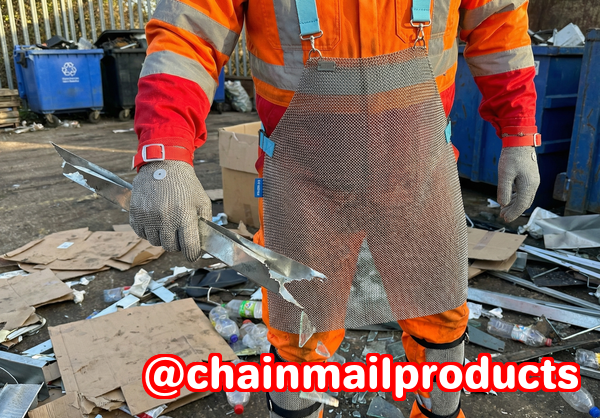
The Chainmail Quality Struggle
I’ve often heard from safety managers, industrial buyers, and collectors that when they look at chainmail products, it’s hard to tell whether the piece they’re holding is worth the investment. Some are worried that they might not be getting the protection they need, while others are concerned that what they’ve bought is just a cheap imitation, made for show, not for function.
That’s exactly where Aegimesh’s Chainmail inspection guide comes in. We help userswhether they’re in the industrial sector or cosplay communityidentify the right quality chainmail products for their needs. But before we dive into the specifics, let’s talk about why you need to care about these details.
Common Chainmail Quality Issues
When it comes to evaluating chainmail, there are a few common pitfalls that you need to avoid. Here are some of the most significant challenges you’ll face when purchasing chainmail:
1. Welded vs. Open Rings
One of the most frequent concerns I hear is the confusion between welded and open rings. Welded rings are far superior when it comes to strength and durability. Open rings, though cheaper, can lead to the entire chainmail garment breaking apart under pressure.
The solution? Always look for signs of welding. If a ring can be pulled apart, it’s a sign of low-quality chainmail. High-quality chainmail will feature welded rings that hold up even under strain.
2. Stainless Steel Grades
Many buyers also struggle with understanding which stainless steel grade is best for their needs. The most common grades used in chainmail are 304 and 316, but they differ significantly when it comes to corrosion resistance and strength.
-
304 Stainless Steel: It’s cheaper and more widely available, but it’s not as resistant to rust and corrosion as 316. It’s fine for decorative purposes or non-industrial uses.
-
316 Stainless Steel: This is the real workhorse. It’s more resistant to corrosion, making it perfect for food processing or industrial environments, where rust or corrosion could cause serious issues.
The solution? Always opt for 316 stainless steel when you’re buying chainmail for industrial or food handling purposes. It’s more expensive, but it’s also more durable.
3. Weak or Inconsistent Weaves
Another red flag in chainmail quality is the weave pattern. Some manufacturers may cut corners by opting for cheaper weaves that aren’t as strong. One popular weave style is European 4-in-1, which is known for its strength and flexibility. However, some subpar products may have inconsistent or irregular weaves, leading to weak spots.
The solution? Inspect the weave pattern closely. European 4-in-1 is widely regarded as one of the best for durability, so make sure the rings are tightly woven and that there are no gaps in the design.
How to Inspect High-Quality Chainmail
Now that you know what to look out for, let’s go through the steps to properly inspect chainmail before purchasing it. Whether you’re in industrial safety, collecting historical pieces, or looking for cosplay material, these simple steps will help you assess the quality of chainmail.
1. Check the Material
The first thing you should inspect is the material. As we discussed earlier, the grade of stainless steel will play a huge role in the durability and resistance to rust. Whether you’re in a food processing plant or buying chainmail for display, this is a critical step.
-
304 Stainless Steel: Good for decorative purposes or cosplay, but not recommended for safety or industrial use.
-
316 Stainless Steel: Ideal for environments where corrosion resistance is essential, like food handling or industrial applications.
2. Ring Inspection
Next, focus on the rings. High-quality chainmail features welded rings, which are much more durable and won’t fall apart easily. To test if the rings are welded, try pulling on them. If they come apart, it’s a clear indication that the chainmail is of low quality.
Additionally, make sure to inspect the wire thickness and inner diameter. These factors play a role in how flexible and durable the chainmail will be. For industrial applications, thicker wire is usually better for durability.
3. Weave Patterns
The weave pattern, like European 4-in-1, plays a huge role in how strong the chainmail is. Take a close look at the pattern. It should be uniform, without any irregularities. If you notice gaps or inconsistencies, it’s a sign that the chainmail might not hold up under stress.
4. Perform a Pull Test
Once you’ve inspected the material and weave, it’s time for the ultimate test: the pull test. Gently pull on the chainmail to see if the rings hold their shape. If they start to come apart, this is a major warning sign.
5. Look for Signs of Corrosion or Rust
Corrosion can be a major issue, especially if the chainmail is exposed to moisture or harsh environments. Even if the chainmail looks fine at first glance, check for any signs of rust, discoloration, or corrosion. This is especially important if you’re dealing with chainmail for industrial or food handling purposes.
Why Proper Chainmail Inspection Matters
Proper inspection of chainmail can save you money and ensure safety. Low-quality chainmail may appear fine on the surface, but it might not be able to withstand the stress of industrial use or provide adequate protection against cuts and abrasions.
-
Avoid Unsafe Chainmail: Poorly made chainmail may fail in dangerous situations, leading to injuries or compromised safety.
-
Save Money: By identifying low-quality products early, you’ll avoid wasting money on something that won’t last.
-
Ensure Durability: Quality chainmail provides long-lasting protection, whether you’re using it for safety or cosplay purposes.
For industrial and food-processing uses, quality matters most. I highly recommend using our Aegimesh Chainmail Inspection Guide to ensure your chainmail purchase meets all safety and durability standards. Don’t risk buying low-quality or decorative pieces that might not do the job.
Conclusion
In conclusion, understanding how to evaluate the quality of chainmail is essential for ensuring safety and durability. Always inspect the material, ring welds, wire thickness, and weave patterns. Take the time to perform a pull test and check for corrosion, especially for industrial and food processing uses. By following these steps, you can avoid costly mistakes and ensure that the chainmail you buy is up to the job.
I highly recommend following these inspection methods to ensure any chainmail purchase you make meets the necessary standards for safety and durability.
Learn more about identifying high-quality chainmail products: https://www.aegimesh.com/
FAQ
1. How can I tell if a chainmail ring is welded or open?
Welded rings will hold their shape and won’t come apart under pressure. Open rings, on the other hand, can be pulled apart with little effort.
2. Which stainless steel grade is best for long-lasting chainmail?
316 stainless steel is ideal for industrial applications and food processing because of its corrosion resistance. 304 stainless steel is fine for decorative or light-use purposes.
3. How do I inspect the weave pattern for strength?
Look for uniformity in the pattern. European 4-in-1 weave is known for its strength, and the rings should be tightly woven without gaps.
4. What are the signs of low-quality or unsafe chainmail?
Low-quality chainmail may have loose rings, weak welds, irregular weaves, or signs of rust or corrosion. If it doesn’t pass the pull test, it’s not up to the standard.
5. Can decorative chainmail be used for protective purposes?
Not typically. Decorative chainmail is often made from lightweight materials or open rings and may not provide adequate protection. Always look for welded rings and stainless steel for safety gear.
6. How do I choose the right chainmail for industrial vs. cosplay use?
For industrial use, opt for 316 stainless steel with welded rings and a strong weave. For cosplay, 304 stainless steel is sufficient if you’re not concerned with heavy-duty protection.
Tags or Keywords
-
chainmail quality
-
welded rings
-
stainless steel chainmail
-
cut-resistant chainmail
-
chainmail inspection
-
European 4-in-1 weave
-
chainmail durability