
Steel Metal Chainmail and Industrial Protection Solutions
When you’re in the market for chainmailwhether for industrial protection, cosplay, or a historical replicaone question is almost always on your mind: “How can I tell if I’m getting a high-quality product?” It’s a valid concern. After all, the wrong chainmail can not only fail to serve its purpose but can also endanger your safety. Imagine working with a low-quality chainmail that doesn’t hold up to cuts or starts to fall apart after minimal use. You could end up spending more money to replace it or, worse, put yourself at risk. So, how do you spot the good stuff? In this guide, we’ll walk you through how to identify high-quality chainmail that’ll stand the test of time, whether you’re using it for industrial work, food handling, or cosplay.
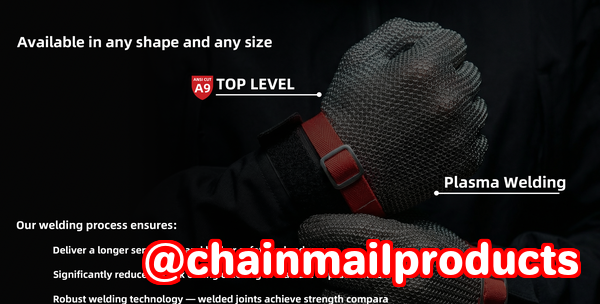
Common Problems When Choosing Chainmail
A lot of buyers struggle to evaluate the quality of chainmail products. It’s easy to get lost in the details or simply assume that all chainmail is created equal. But that’s far from true. Here are a few common issues I see regularly:
-
Welded vs. Open Rings: This is one of the most crucial distinctions when it comes to chainmail. Open rings are often weaker and can result in a less durable weave, while welded rings offer much stronger protection. But how can you tell the difference without the right tools or knowledge?
-
Material Confusion: Stainless steel seems like a catch-all material for chainmail, but not all stainless steel is created equally. Most chainmail for industrial or protective uses should be made from either 304 or 316 stainless steel. So, how do you know what you’re buying?
-
Weak Weave Patterns: Weave patterns are what determine the strength and flexibility of the chainmail. If the rings aren’t interwoven correctly, the piece might look nice but will fail under pressure. European 4-in-1 is a popular pattern for durability, but there are plenty of imitations.
These are just a few of the problems that buyers run into when looking for chainmail. Luckily, with a few simple steps, you can make sure you’re getting the best possible product. Let’s dive into how to evaluate and ensure the chainmail you buy is both safe and durable.
How to Inspect Chainmail for Quality
Whether you’re buying chainmail for personal use or industrial applications, it’s essential to perform a quality check before making a purchase. I’m here to break it down into easy-to-follow steps that will help you avoid wasting money on products that aren’t up to par. Let’s go through the process.
1. Inspect the Material: 304 vs. 316 Stainless Steel
First things first: the material matters. For long-lasting, cut-resistant chainmail, you want to make sure it’s made from high-quality stainless steel. The two most common grades used are:
-
304 Stainless Steel: This is the most common type and offers a good balance of strength and rust resistance. It’s perfect for general use, especially in environments that aren’t exposed to extreme salt or chemicals.
-
316 Stainless Steel: This is a higher-grade material that’s more resistant to corrosion, especially in saltwater environments. It’s ideal if you need the chainmail for something like marine work or if it’ll be exposed to harsher chemicals.
A good chainmail manufacturer, like Aegimesh Chainmail, will provide details on which type of steel is used, so you know exactly what you’re getting. To test this, look at the product’s specifications carefully, or ask the manufacturer if the information isn’t clear.
2. Check for Welded Rings vs. Open Rings
The most reliable and durable chainmail will feature welded rings. These rings are fused together, making the weave much stronger and resistant to opening up. Open rings, on the other hand, are simply twisted and can easily loosen over time, especially under pressure.
Here’s a simple way to check:
-
Hold a piece of chainmail and look at the rings closely. If they look perfectly smooth and solid without any gaps or overlaps, you’re dealing with welded rings.
-
Open rings tend to show small signs of bending or twisting. They’re more vulnerable to separating, particularly under stress.
If you’re unsure, you can also perform a simple pull test (more on that in a bit).
3. Evaluate Ring Thickness and Diameter
The thickness and diameter of the rings also affect the strength and functionality of chainmail. Thicker rings offer more durability, but the diameter of the rings must also be adequate for the intended purpose.
To check:
-
Look at the thickness of the wire. Industrial chainmail should have a thicker gauge wire, typically around 16-18 gauge, depending on the level of protection required.
-
The diameter of the rings should be consistent. Chainmail with uneven rings might have inconsistencies that lead to weaker spots.
If you’re purchasing for a specific use, such as cut-resistant chainmail for industrial applications, make sure to check if the wire thickness and ring diameter align with your needs.
4. Inspect the Weave Pattern: European 4-in-1
One of the most common and reliable weave patterns is the European 4-in-1 weave. This pattern involves four rings passing through a single ring, creating a solid and flexible structure. If the weave is off, you could be dealing with a decorative piece that won’t stand up to the test of time.
To check the weave:
-
Look at how the rings are interlocked. In a good European 4-in-1 pattern, the rings should be consistently placed without gaps.
-
The weave should be flexible enough to bend but strong enough to resist cutting or tearing. If the chainmail is stiff or feels fragile, it’s probably a low-quality weave.
5. Perform a Simple Pull Test
Once you’ve inspected the rings, material, and weave, it’s time to perform a simple pull test. Here’s how:
-
Grab a section of the chainmail and give it a gentle tug.
-
If the weave holds up under pressure and no rings pop loose, the chainmail is likely high quality.
-
If the rings come apart easily or the weave loosens, you might be dealing with a weak product.
The pull test is a quick way to check for quality and durability before making a purchase.
6. Check for Corrosion or Poor Craftsmanship
A quick visual check for any rust or corrosion is essential, especially if the chainmail is going to be exposed to moisture or chemicals. Even the smallest signs of corrosion can lead to structural weakness over time.
If you see any signs of rust, the product may have been improperly treated or stored. Always opt for chainmail that has been properly cleaned and treated for rust resistance.
Why These Inspections Matter
Performing these inspections ensures that the chainmail you’re buying meets industry standards for strength, durability, and safety. By avoiding weak materials or poor craftsmanship, you’ll save money in the long run and avoid putting yourself at risk.
For industrial uses, such as cut-resistant chainmail or food processing protection, quality is absolutely crucial. Low-quality chainmail won’t provide the level of protection required to meet industry standards, and it could even cause workplace accidents or health hazards.
For cosplay or decorative uses, you still want durabilitynobody wants their chainmail costume falling apart in the middle of a convention! And for historical replicas, a well-made product will not only look authentic but will also last for years, making it a worthwhile investment.
Conclusion
In conclusion, buying chainmail can be tricky, but with a little bit of knowledge and attention to detail, you can ensure that you’re getting a high-quality, safe product. By inspecting the material, ring welding, wire thickness, and weave pattern, you’ll be well on your way to making a smart purchase. Whether you’re protecting yourself in an industrial environment, preparing for a cosplay event, or collecting a historical piece, following these steps will help you identify chainmail that meets your needs for safety and durability.
I highly recommend following these steps to ensure any chainmail purchase meets safety and durability standards. If you’re ready to dive deeper into inspecting chainmail, check out our detailed guide at Aegimesh Chainmail today.
FAQ
1. How can I tell if a chainmail ring is welded or open?
Simply look closely at the rings. Welded rings will appear smooth and solid, while open rings will have a visible twist or gap.
2. Which stainless steel grade is best for long-lasting chainmail?
For durability and corrosion resistance, 316 stainless steel is the best choice. However, 304 stainless steel is more common and still suitable for most general purposes.
3. How do I inspect the weave pattern for strength?
Check that the rings are interlocked in a consistent pattern, like European 4-in-1, with no gaps between the rings. The weave should also be flexible but strong enough to resist cutting or tearing.
4. What are the signs of low-quality or unsafe chainmail?
Signs of low-quality chainmail include rust, inconsistent ring size, weak or open rings, and poor craftsmanship.
5. Can decorative chainmail be used for protective purposes?
Decorative chainmail may look nice but often lacks the durability and strength needed for industrial or protective purposes. Make sure it’s made from welded rings and high-quality stainless steel for protection.
6. How do I choose the right chainmail for industrial vs cosplay use?
For industrial use, prioritize durability and strength, with a focus on welded rings and the right stainless steel grade. For cosplay, focus more on aesthetics, but make sure it’s still durable enough to last through your event.
**7. Is there a simple test I can