
Steel Metal Chainmail Trends in Modern Manufacturing
When you’re in the market for chainmailwhether for industrial use, cosplay, or historical re-enactmentit’s easy to get lost in the variety of options available. After all, chainmail is a product that’s been used for centuries, yet it’s still very much alive in modern manufacturing. But how do you know which piece will offer you the best protection, durability, or aesthetic appeal?
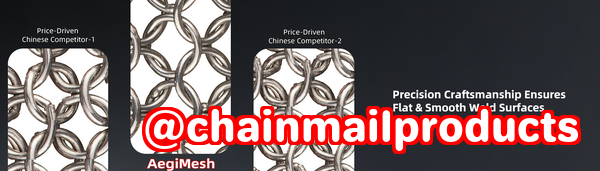
As someone who’s worked with both professional buyers and hobbyists, I’ve learned that a lot of people share the same challenge when purchasing chainmail: they just aren’t sure what to look for in terms of quality. This is where things get trickyjust because a piece looks good on the outside doesn’t mean it’s going to hold up where it counts.
In this post, I’m going to walk you through everything I’ve learned about identifying high-quality steel chainmail. From the materials to the weaves and everything in between, I’ll show you exactly what you need to look for to avoid subpar products. Whether you’re in need of a cut-resistant chainmail for industrial protection or simply hunting for a perfect cosplay piece, this guide will help you make an informed decision.
Why Chainmail Quality Matters
Before we dive into how to inspect your chainmail, let’s take a moment to discuss why quality really matters. As someone who’s seen both high-quality and low-quality chainmail in action, it’s clear to me that not all chainmail is created equal. Poor-quality chainmail can break, rust, or even put your safety at risk. Think about it: industrial workers using defective chainmail for cut protection or food handlers relying on a flimsy design to keep their hands safethose are potential disasters waiting to happen.
Not all chainmail is meant for all purposes. For example, some chainmail might look pretty on a costume but would be completely ineffective at protecting against cuts. In contrast, high-quality chainmail designed for industrial use needs to stand up to some serious stress and wear.
With that in mind, let’s break down how to tell the difference between the real deal and a poor imitation.
Common Pain Points When Evaluating Chainmail
Many buyers, collectors, and professionals run into the same set of problems when evaluating chainmail quality. These issues often lead to unsafe or unsatisfactory purchases. Here are a few pain points you might recognize:
-
Welded vs. Open Rings: One of the most common mistakes I see is confusion between welded rings and open rings. If you’re buying chainmail for protective purposes (like cut resistance), open rings just won’t cut it. They can come apart under pressure, which makes them unreliable.
-
Material Quality (304 vs. 316 Stainless Steel): Not all stainless steel is created equal. The two most common types of stainless steel in chainmail are 304 and 316. While both are durable, 316 stainless steel is far more resistant to corrosion, which makes it ideal for high-moisture environments like food processing.
-
Weave Patterns: The weave pattern of your chainmail is just as important as the material. While there are several types of weaves, the European 4-in-1 weave is often considered the strongest and most durable. Weave patterns that are improperly crafted can lead to weak spots, reducing overall strength.
How to Inspect Chainmail: Practical Guidance
Now that we’ve identified some common challenges, let’s talk about how to evaluate chainmail in a practical way. When you’re shopping for high-quality chainmail, here are a few key steps you can take to verify its durability, safety, and value:
1. Check the Material Type
Whether you’re buying for industrial use or decorative purposes, the material should always be your first check. The best chainmail products are made from high-grade stainless steel. But which grade?
-
304 Stainless Steel: This is a general-purpose stainless steel, and while it’s resistant to corrosion in most environments, it’s not the best choice for places exposed to moisture, like kitchens or wet work areas.
-
316 Stainless Steel: If you need something that can handle tougher conditions, 316 stainless steel is the better option. It offers superior corrosion resistance and will stand up to harsh environments.
2. Inspect the Ring Welding
One of the best indicators of chainmail quality is the weld on the rings. Welded rings are much stronger and more reliable than open rings. Here’s how you can check:
-
Look closely at the rings. Welded rings should have a smooth, uniform seam where the two ends meet.
-
Perform a pull test on a small section to see how the rings hold up under tension. If they bend, break, or come apart, you’re dealing with open rings, which are generally weaker.
3. Evaluate the Wire Thickness and Inner Diameter
The wire thickness and inner diameter of the rings are also critical to the durability of the chainmail. Thicker wires and larger inner diameters contribute to better strength and longevity. Here’s what you should consider:
-
Wire Thickness: The thicker the wire, the more durable the chainmail will be. For industrial applications like cut-resistant gloves, you want at least 1mm thickness. Decorative chainmail for cosplay can get by with thinner wires, but durability will always be compromised.
-
Inner Diameter: The inner diameter of each ring impacts the flexibility of the chainmail. Rings that are too large can lead to gaps, while rings that are too small might cause the mail to be too stiff. A good middle ground is best.
4. Assess the Weave Pattern
Weave patterns like European 4-in-1 are widely regarded for their strength and durability. This pattern connects each ring to four others, offering a solid structure that’s both flexible and protective.
-
European 4-in-1: This is the most common pattern used in professional-grade chainmail. It’s perfect for both cosplay and industrial protection.
-
European 6-in-1 and 4-in-2: These patterns can offer greater flexibility but may not be as durable in high-stress environments.
5. Look for Signs of Wear and Corrosion
Once you’ve inspected the physical aspects of the chainmail, take a look at how well it’s been maintained. Older chainmail might have signs of wear, corrosion, or rust, particularly around the rings. Look for the following:
-
Rust marks: If you see any rust or discoloration on the rings, the material might not be as resistant to corrosion as it should be.
-
Worn-out edges: Worn or frayed rings indicate poor craftsmanship or overuse.
Why Quality Inspection Matters
Proper chainmail inspection is more than just a formalityit could save you money, time, and potentially your safety. Imagine investing in what you think is a high-quality piece of protective chainmail, only to find it falls apart during use. Or picture relying on a cheap decorative piece for industrial use, putting your health or work at risk.
By following these steps, you’re not only avoiding those potential disasters, but you’re ensuring that you get the best value for your investment.
Conclusion
Chainmail is an age-old product that’s still very much relevant in today’s manufacturing world, but finding the right quality can be tricky. By checking the material, inspecting the welds, evaluating wire thickness, and assessing the weave patterns, you can rest assured that you’re making an informed choice.
I highly recommend following these steps to ensure any chainmail purchase meets safety and durability standards. Remember, whether you’re buying chainmail for industrial use, cosplay, or collecting, you can always get the best product by investing a little time in proper inspection.
If you want to learn more about identifying high-quality chainmail, check out our detailed inspection guide and products at Aegimesh.
FAQ
-
How can I tell if a chainmail ring is welded or open?
Look closely at the ring seam. A welded ring will have a smooth, uniform seam, while an open ring will have a gap where the two ends meet.
-
Which stainless steel grade is best for long-lasting chainmail?
316 stainless steel is ideal for long-lasting durability, especially in moist or harsh environments.
-
How do I inspect the weave pattern for strength?
Check for tightly connected rings, especially in the European 4-in-1 weave, which is known for its strength.
-
What are the signs of low-quality or unsafe chainmail?
Look for weak or broken welds, signs of corrosion, or irregular weave patterns. Also, avoid chainmail made with open rings for protective use.
-
Can decorative chainmail be used for protective purposes?
Decorative chainmail is often weaker and not suitable for protection. Always ensure it’s made with welded rings and proper material if using it for safety.
-
How do I choose the right chainmail for industrial vs. cosplay use?
For industrial use, prioritize durability and strength with welded 316 stainless steel and a tight weave like European 4-in-1. For cosplay, lighter and more flexible chainmail may be sufficient.
Keywords
-
chainmail quality
-
welded rings
-
stainless steel chainmail
-
cut-resistant chainmail
-
chainmail inspection
-
European 4-in-1 weave
-
chainmail durability