
Steel Metal Chainmail for Workplace Compliance: A Guide to Quality Chainmail for Safety, Durability, and Professional Use
When it comes to purchasing chainmail, whether it’s for industrial protection, cosplay, or historical reenactments, ensuring you’re getting a high-quality product is crucial. I’ve seen countless buyers struggle with identifying the right chainmail, often unsure if they’re getting a durable, safe, and reliable product. It can be a tricky task to distinguish between genuine chainmail and low-quality imitations, especially when dealing with complex materials like stainless steel.
I often hear questions like: How can I tell if a chainmail ring is welded or open? What’s the difference between 304 and 316 stainless steel? How do I make sure the weave pattern is strong enough for my needs? These are all valid concerns, especially when you consider the wide variety of chainmail available in today’s market.
In this guide, I’ll walk you through the steps you need to take to evaluate chainmail properly. Whether you’re buying it for workplace safety, cosplay, or a collection, the following tips will help you make an informed choice and ensure that you’re investing in a high-quality product. Let’s dive in!
Common Problems When Evaluating Chainmail Quality
1. Welded Rings vs. Open Rings
One of the most common challenges when assessing chainmail is determining whether the rings are welded or open. Open rings are just thatrings that are not sealed, which can weaken the overall structure. On the other hand, welded rings are permanently joined together, providing better durability and strength.
So, how can you tell the difference? The key is inspection. Welded rings are often thicker and have a uniform finish where the weld is, while open rings tend to have a slight gap between the ends of the wire.
2. Understanding Stainless Steel Grades
Stainless steel is the material of choice for most chainmail products, but not all stainless steel is created equal. The two most common grades you’ll encounter are 304 and 316 stainless steel. While both are durable and resistant to rust, 316 stainless steel is more resistant to corrosion, particularly in salty or harsh environments.
Choosing the right grade is essential, especially for industrial use where exposure to chemicals or moisture is a concern. Make sure to ask the seller about the specific grade of stainless steel used in the chainmail. This information can often be found in product specifications or provided upon request.
3. Weak Weaves and Inconsistent Patterns
Another pain point buyers face is weak or inconsistent weaves. A strong, durable chainmail weave like European 4-in-1 ensures each ring is connected to four others, creating a sturdy mesh that offers excellent protection.
When inspecting chainmail, check if the weave pattern is consistent throughout the entire piece. Inconsistent weaves or loose rings could indicate poor craftsmanship, which can compromise the chainmail’s strength.
Step-by-Step Guide to Evaluating Chainmail Quality
Let’s break down the steps you can follow to evaluate chainmail for safety, durability, and quality. By the end of this section, you’ll know exactly how to inspect chainmail like a pro!
1. Check the Material
Material quality is the foundation of any chainmail product. As mentioned earlier, stainless steel is the gold standard for chainmail. You’ll often find products made from either 304 or 316 stainless steel. While both grades are strong, 316 stainless steel is typically used for environments with higher corrosion risks, such as food processing or chemical handling.
2. Inspect the Ring Welding
Take a close look at the rings. If they are welded, the connection should be smooth and seamless. Welded rings are typically stronger and more durable than open rings, so this is a key feature to check. If you’re unsure, try gently pulling a ring apart. A welded ring will resist separation, while an open ring will give way much more easily.
3. Examine Wire Thickness and Inner Diameter
The thickness of the wire and the inner diameter of the rings are crucial factors in determining the overall durability of the chainmail. Thicker wire generally means stronger, more durable chainmail. You can use a caliper to measure the thickness of the wire. The diameter of the rings also matterslarger rings might make the chainmail more flexible, but they can also weaken the overall structure. For industrial use, it’s important that the wire thickness and ring diameter match the intended purpose.
4. Evaluate the Weave Pattern
One of the most important features to check is the weave pattern. The most common and strongest weave is European 4-in-1. This means each ring is connected to four others, creating a sturdy, interwoven mesh. Check the pattern carefully for any signs of inconsistency. An inconsistent weave could mean that the chainmail is weaker in some areas, compromising its strength and protective qualities.
The Benefits of Proper Chainmail Inspection
By following these inspection steps, you can avoid making a poor purchase. Let’s look at some of the benefits of properly evaluating chainmail:
1. Safety Assurance
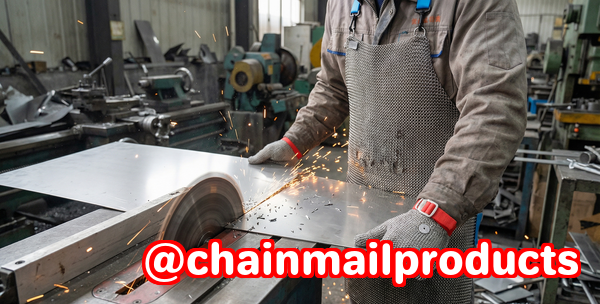
For industrial applications, such as cut protection in workplaces or food processing, ensuring the chainmail meets safety standards is paramount. A low-quality product could result in injuries or breaches in safety compliance. Proper inspection guarantees the chainmail you buy will protect workers from hazards.
2. Durability
Whether you’re buying chainmail for cosplay or a historical replica, you want it to last. By understanding how to inspect for things like wire thickness and ring welding, you can ensure the product will stand the test of time.
3. Saving Money
No one likes wasting money on a product that doesn’t meet expectations. By inspecting the quality of the chainmail before purchase, you can avoid spending on low-quality products that might look good at first but fall apart after minimal use.
Practical Tips for Buyers
Here are a few additional practical tips to keep in mind when inspecting chainmail:
-
Pull Test: Gently tug on the rings to test their strength. If a ring comes loose or if you can feel it easily bend, the chainmail isn’t durable enough for industrial use.
-
Look for Signs of Corrosion: Especially when purchasing older or second-hand chainmail, look for signs of rust or corrosion. While stainless steel is resistant to rust, prolonged exposure to moisture or chemicals can still cause damage.
-
Identify Decorative vs. Protective Chainmail: Not all chainmail is meant for protection. If you’re looking for cosplay chainmail, it may not be as durable as industrial chainmail, so make sure to clarify the intended use with the seller.
Conclusion: Ensuring a Safe and Durable Chainmail Purchase
In conclusion, understanding how to inspect chainmail is essential to ensuring your purchase meets safety and durability standards. I highly recommend following these stepschecking the material, inspecting the welds, evaluating wire thickness and inner diameter, and carefully examining the weave pattern. This will help you avoid buying low-quality, unsafe chainmail and ensure that your purchase is both safe and long-lasting.
Learn more about identifying high-quality chainmail products: Aegimesh Chainmail
Check out our detailed chainmail inspection guide today!
FAQ
1. How can I tell if a chainmail ring is welded or open?
Look closely at the ringwelded rings will have a smooth, seamless connection, while open rings will show a small gap between the ends.
2. Which stainless steel grade is best for long-lasting chainmail?
For durability and corrosion resistance, 316 stainless steel is the best choice, especially for industrial or food processing environments.
3. How do I inspect the weave pattern for strength?
Check for consistency in the pattern. A strong weave like European 4-in-1 will have each ring connected to four others. If the pattern is inconsistent, it could compromise the chainmail’s strength.
4. What are the signs of low-quality or unsafe chainmail?
Look for weak or inconsistent weaves, signs of corrosion, open rings, and wire thickness that doesn’t match the intended use.
5. Can decorative chainmail be used for protective purposes?
While decorative chainmail can be durable, it’s typically not as strong or safe as industrial-grade chainmail, which is specifically designed for cut resistance and safety.
6. How do I choose the right chainmail for industrial vs cosplay use?
For industrial use, prioritize thicker wire, welded rings, and a durable weave like European 4-in-1. For cosplay, you can focus more on appearance, but still ensure the product is well-made.
Tags: chainmail quality, welded rings, stainless steel chainmail, cut-resistant chainmail, chainmail inspection, European 4-in-1 weave, chainmail durability