
Steel Metal Chainmail ROI for Industrial Safety
When it comes to investing in industrial safety gear, chainmail might not be the first thing that comes to mind. However, for those working in industries where cut resistance is essentiallike food processing, heavy manufacturing, or even historical reenactmentschainmail can be an invaluable protective tool. But how do you know if you’re buying a high-quality product that will stand up to the demands of your work? As someone who’s spent time sifting through various chainmail options, I can tell you that understanding what makes good chainmail is crucial. Unfortunately, many buyers struggle to tell the difference between genuine, durable chainmail and low-quality or unsafe products.
I’ve been there myself. Whether you’re a buyer, a collector, or a professional needing reliable protection, distinguishing between high-quality and low-quality chainmail can be overwhelming. You want something that will keep you safe, last for years, and actually live up to the price tag. So, how do you make sure your investment is worth it? Let’s dive into the basics of evaluating chainmail quality and how you can confidently select the right product for your needs.
Common Pain Points in Evaluating Chainmail
When you’re ready to buy chainmail, it can be hard to know what to look for. There’s a lot to considermaterials, weave patterns, the quality of the rings themselvesand if you don’t know what you’re doing, it’s easy to get stuck with a product that’s not up to par. Here are three common pain points many buyers face when shopping for chainmail:
1. Distinguishing Welded Rings from Open Rings
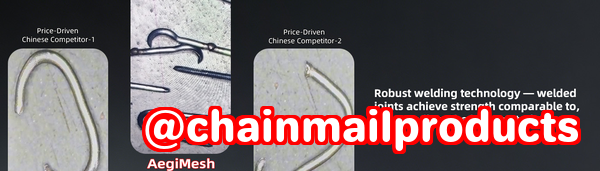
Chainmail is made of interwoven rings, and these rings can either be welded shut or left open. Open rings might be cheaper, but they don’t provide the same level of durability or safety. The rings can break apart over time, which could compromise the protection they offer. This is a serious issue if you’re buying for industrial purposes like food handling or cut protection, where you need chainmail that will hold up in harsh environments.
2. Uncertainty About Stainless Steel Grades
Not all stainless steel is created equal. Two of the most common grades used in chainmail are 304 and 316 stainless steel. While 304 is the most common, it’s not as resistant to corrosion as 316. If your chainmail will be exposed to moisture (whether from sweat, water, or the elements), the last thing you want is for it to rust or degrade over time. Understanding the difference between these two grades can save you from a poor purchase.
3. Weak or Inconsistent Weaves
The weave pattern of chainmail is another factor that can impact its strength and durability. A common weave is European 4-in-1, where each ring interlocks with four others. This weave is strong, but not all chainmail uses this pattern. Some weaves are weak, and can even break apart with minimal stress, rendering the chainmail ineffective for industrial or protective use.
The Aegimesh Chainmail Difference
So, what can you do to avoid these pitfalls? That’s where Aegimesh comes in. Their chainmail products are designed with durability, safety, and long-term use in mind. If you want to know how to evaluate a chainmail product’s quality before you purchase, you’re in the right place. With Aegimesh, you can ensure you’re making a solid investment in a reliable, high-quality product.
Let’s go over how you can inspect and evaluate the quality of the chainmail you’re considering.
Inspecting Chainmail Quality: A Simple Guide
Evaluating chainmail might seem intimidating at first, but with the right knowledge, it’s much easier to spot the good stuff. Here’s a simple step-by-step guide to ensure you’re getting the best bang for your buck.
1. Check the Material
The first step is to figure out what the chainmail is made of. The two main materials used for high-quality chainmail are stainless steel grades 304 and 316.
-
304 Stainless Steel: This is the most common type of stainless steel used in chainmail. It’s generally durable and resistant to corrosion, but if the chainmail will be exposed to moisture regularly, like in a food-processing environment, 304 might not cut it.
-
316 Stainless Steel: This grade is more resistant to corrosion, making it the better choice for environments where rust and degradation are a concern, such as in wet or salty conditions. If you need chainmail for industrial safety, cut resistance, or long-term use, this is the material you’ll want.
2. Inspect the Ring Construction
Once you know what the chainmail is made of, the next step is to inspect the rings. There are two types of rings to look for: welded and open.
-
Welded Rings: These are permanently closed, ensuring that they won’t open up over time. This is the most reliable option for chainmail used in industrial and protective applications. Check the weld by looking closely at each ring; it should be seamless and firm.
-
Open Rings: These are typically found in cheaper, less durable products. They might look fine initially, but they don’t offer the same level of durability as welded rings. They can easily separate with use, which means you’re risking exposure to potential cuts or injury.
3. Evaluate Wire Thickness and Ring Diameter
The thickness of the wire and the diameter of the rings are also crucial factors when determining chainmail quality. Thicker wires and larger rings generally result in stronger chainmail. Here’s what to look for:
-
Wire Thickness: If the wire used to make the rings is too thin, it won’t hold up under stress. For industrial purposes, you want to see a thicker gauge wire.
-
Ring Diameter: A ring that’s too large or too small can weaken the overall structure of the chainmail. Look for a consistent, uniform ring diameter that matches the intended use of the chainmail.
4. Inspect the Weave Pattern
The weave pattern is another key aspect of chainmail quality. A standard, strong weave pattern is the European 4-in-1. This weave locks each ring into place, interlocking with four neighboring rings. This tight structure ensures the chainmail is both durable and flexible.
While there are other weaves available, like 6-in-1 or 8-in-1, the European 4-in-1 pattern strikes a good balance between strength and flexibility. Weak or inconsistent weaves can cause the rings to shift or break under stress, so it’s important to inspect the weave and ensure it’s tight and uniform.
5. Perform a Pull Test
Once you’ve checked the material, rings, and weave, it’s time for the pull test. Gently pull on a few rings in different areas of the chainmail. If the rings feel loose, or if you can feel them shifting under pressure, this could be a sign of poor craftsmanship or weak construction.
6. Look for Signs of Corrosion or Damage
Lastly, don’t forget to inspect the chainmail for any visible signs of corrosion or damage. Rust, discoloration, or bent rings can be signs of poor-quality materials or exposure to harsh environments.
Why Proper Chainmail Inspection Matters
So, why does all this matter? By performing a detailed inspection, you can avoid wasting money on low-quality products. Here’s what proper inspection will help you achieve:
-
Avoiding Unsafe Products: Low-quality chainmail can fail when you need it most, leading to injuries or unsafe work environments.
-
Ensuring Durability: High-quality chainmail will last longer, giving you better protection and saving you money over time.
-
Selecting the Right Chainmail for Your Needs: Whether you’re using chainmail for industrial safety, food handling, cosplay, or historical reenactments, proper inspection ensures you’re buying the right product for the job.
Conclusion: Make Informed Chainmail Purchases
After reading this, you should feel confident in your ability to evaluate chainmail quality. By checking the material, inspecting the rings and weave, and performing a pull test, you can ensure that your chainmail investment is solid. I highly recommend following these steps before making any purchase to ensure that any chainmail product you buy meets safety and durability standards.
If you’re ready to start shopping for high-quality chainmail, check out Aegimesh’s detailed chainmail inspection guide and find products designed for long-lasting use.
Learn more about identifying high-quality chainmail products: https://www.aegimesh.com/
FAQs
How can I tell if a chainmail ring is welded or open?
Look closely at the ring. A welded ring should have a seamless, smooth finish without any gaps, while an open ring will show a visible break.
Which stainless steel grade is best for long-lasting chainmail?
For industrial or long-term use, 316 stainless steel is the best option as it resists corrosion better than 304 stainless steel.
How do I inspect the weave pattern for strength?
Check if the weave is tight and consistent. European 4-in-1 is a common, strong weave pattern used in quality chainmail.
What are the signs of low-quality or unsafe chainmail?
Signs include loose or open rings, weak weaves, rust or discoloration, and inconsistent wire thickness or ring diameter.
Can decorative chainmail be used for protective purposes?
Generally, decorative chainmail isn’t designed for protective use. For safety, you’ll need chainmail made from welded rings and durable materials.
How do I choose the right chainmail for industrial vs cosplay use?
For industrial use, prioritize chainmail made from strong stainless steel with welded rings and tight weaves. For cosplay