
Steel Metal Chainmail for Industrial Procurement
When it comes to procuring chainmail, especially for industrial or safety purposes, the stakes are high. Chainmail is often used to protect workers from cuts and abrasions in various industries, including food processing, construction, and even law enforcement. But here’s the issue: How do you know you’re buying high-quality chainmail that will actually do its job?
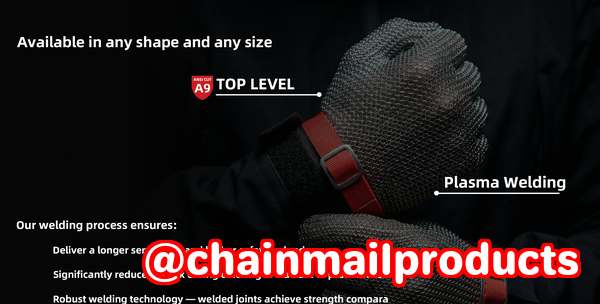
I’ve faced this dilemma myself, having been in situations where a seemingly durable piece of chainmail ended up being flimsy or downright unsafe. There’s a lot to considermaterial quality, the type of weave, the craftsmanship, and the weight. If you’re about to purchase chainmail for your workplace, cosplay costume, or even a historical project, it’s essential to know how to tell the difference between a product that will last and one that’s just going to fall apart.
In this guide, I’ll take you through everything I’ve learned about evaluating chainmail quality, from inspecting the rings to understanding the weave patterns. You’ll be equipped with practical tips to ensure that your investment is safe, durable, and exactly what you need.
Common Pain Points When Buying Chainmail
As a buyer, there are several pain points that many of us face when purchasing chainmail, whether online or in person:
-
Difficulty Identifying Quality Material
Stainless steel, for example, is often the material of choice for durable chainmail. But not all stainless steel is created equal. Most chainmail comes in grades like 304 and 316 stainless steel, but how do you know which one will give you the best resistance against corrosion and wear?
-
Weak or Inconsistent Weaves
Weave patterns are critical when it comes to chainmail’s durability. A poor-quality weave can make the chainmail weak or prone to breaking. But how can you distinguish a strong weave from a subpar one?
-
Welded Rings vs. Open Rings
The difference between welded rings and open rings is often not immediately obvious to the untrained eye. Open rings can open up under stress, compromising the integrity of the chainmail. Identifying welded rings is essential for ensuring the durability of your purchase.
These are common challenges faced by anyone buying chainmail, whether for industrial use or as a decorative piece. But there is a way to avoid these issues, and I’m here to share the step-by-step process that can help you make a more informed, confident purchase.
How to Inspect and Verify Chainmail Quality
I’ve learned over the years that the best way to avoid low-quality chainmail is to conduct a thorough inspection. Here’s what I’ve found useful:
1. Check the Material Type
Stainless steel is a must for high-quality chainmail. But not all stainless steel is the same. You’ll often come across two common grades: 304 stainless steel and 316 stainless steel.
-
304 Stainless Steel: The most common type used in chainmail. It offers good corrosion resistance but can be prone to rust in high-salt environments (e.g., coastal areas).
-
316 Stainless Steel: This is a higher-grade steel and offers superior corrosion resistance, particularly in harsh environments, including food processing and medical applications. If you’re working in industries that require high durability, 316 stainless steel is the better option.
2. Inspect the Rings
The next step is inspecting the rings. This is where the quality of the chainmail is truly revealed.
-
Welded Rings: High-quality chainmail will feature welded rings. A welded ring is one where the ends of the wire are fused together, ensuring the ring cannot open up or fall apart. This is especially important if the chainmail will be exposed to stress, like in industrial or protective settings.
-
Open Rings: Some lower-quality chainmail uses open rings, where the ends are simply bent together. These can eventually loosen or break under pressure, making the chainmail unreliable for safety or protection.
If you can, physically test the rings by gently tugging on them. Welded rings should feel firm and unyielding. Open rings will often give a little when you pull.
3. Examine the Wire Thickness and Inner Diameter
The wire thickness is another critical factor in determining the strength and durability of chainmail. Chainmail with thin wire is often cheaper and less durable, especially if it’s intended for protective purposes. Thicker wire is more resilient and can handle more wear and tear.
The inner diameter of the rings also plays a role in how well the chainmail will perform. For example, a larger inner diameter allows for more flexibility but can result in weaker protection. A smaller inner diameter offers more strength and rigidity, but can feel stiffer and harder to move in. Make sure to choose the right balance for your needs.
4. Inspect the Weave Pattern
The weave pattern affects the overall durability and effectiveness of the chainmail. There are several patterns, but the European 4-in-1 weave is the most common and is considered one of the strongest. In this pattern, each ring is woven through four others, creating a solid structure. Check the tightness of the weaveloose weaves can compromise the chainmail’s strength.
Practical Tips for Evaluating Chainmail
Here are some practical, real-world tips that I’ve found useful when evaluating chainmail:
-
Pull Test
One of the simplest tests you can do is the pull test. Hold a section of chainmail between your hands and give it a slight pull. High-quality chainmail should feel firm and resistant to bending. If it feels flimsy or rings start to separate, you may have found a low-quality product.
-
Check for Signs of Corrosion
Even stainless steel can corrode over time if it’s exposed to the wrong conditions. Check for any signs of rust, particularly at the welds or rings that may have been poorly treated.
-
Inspect the Craftsmanship
Inspect the overall craftsmanship. High-quality chainmail should look even and symmetrical, with rings all of a similar size and consistent shape. Any irregularities could be a sign of poor craftsmanship or low-quality material.
-
Select the Right Chainmail for Your Use Case
Not all chainmail is created equal. If you’re looking for cut-resistant chainmail for food handling or industrial use, make sure you select one made from a higher grade of stainless steel (preferably 316). For decorative purposes, a lower-grade material might suffice. Always choose based on the specific needs of your project.
Why Chainmail Quality Matters
Ensuring that the chainmail you purchase is of high quality can make all the difference in your safety, comfort, and overall experience. Whether you’re purchasing chainmail for industrial cut protection, food handling, or cosplay, poor-quality products can lead to unexpected costs, injuries, or disappointment. On the other hand, high-quality chainmail provides durability, protection, and peace of mind.
I highly recommend following these inspection steps to make sure any chainmail purchase meets safety and durability standards. You’ll save money, avoid frustration, and ensure your chainmail will do what it’s supposed to dowhether that’s protecting you on the job or completing a historical costume.
For more information on evaluating high-quality chainmail, check out Aegimesh’s detailed guide and inspection tool here.
FAQ
-
How can I tell if a chainmail ring is welded or open?
Welded rings are fused at the ends and cannot be pulled apart, while open rings are simply bent together and can open under pressure.
-
Which stainless steel grade is best for long-lasting chainmail?
For maximum durability, 316 stainless steel is preferred, especially for food processing or industrial applications.
-
How do I inspect the weave pattern for strength?
Look for a tight, uniform weave like European 4-in-1, which ensures strength and durability.
-
What are the signs of low-quality or unsafe chainmail?
Signs include loose or open rings, inconsistent ring size, poor craftsmanship, and visible corrosion.
-
Can decorative chainmail be used for protective purposes?
Decorative chainmail is usually lighter and may not provide adequate protection. Always check for the appropriate materials and thickness for protective use.
-
How do I choose the right chainmail for industrial vs. cosplay use?
For industrial applications, choose thicker, welded-ring chainmail made from high-grade stainless steel (316). For cosplay, you can opt for lighter, decorative chainmail with a lower-grade material.
Tags or Keywords
-
Chainmail quality, welded rings, stainless steel chainmail, cut-resistant chainmail, chainmail inspection, European 4-in-1 weave, chainmail durability