
Steel Metal Chainmail Buying Tips for Businesses
When purchasing chainmail for protection or display, it’s easy to be overwhelmed by the choices available. Whether you need it for industrial use, cosplay, or historical replicas, distinguishing between high-quality chainmail and subpar products can be difficult. Many buyers often struggle with a common concern: “How can I tell if the chainmail I’m buying is genuinely durable and safe?”
For businesses and professionals who rely on chainmail for safety, durability, and aesthetic value, it’s crucial to make informed decisions. A single poor-quality purchase can lead to expensive replacements or, even worse, safety risks. That’s where understanding how to evaluate chainmail becomes invaluable.
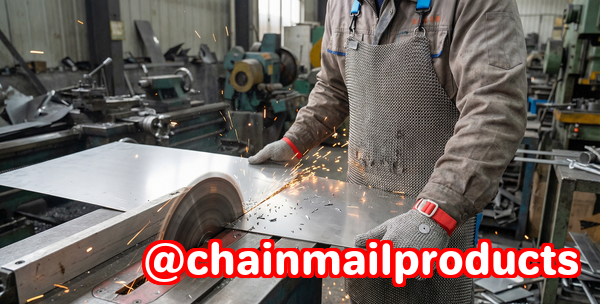
Let’s break down some essential tips for identifying quality steel chainmail, with real-world scenarios and practical advice on inspecting materials, craftsmanship, and durability.
Common Pain Points When Buying Chainmail
Before we dive into how to assess chainmail quality, let’s look at a few of the common pitfalls buyers often face:
-
Welded vs. Open Rings: Many buyers mistake welded rings for open rings, which can compromise durability. Open rings, though cheaper, are prone to pulling apart under stress, making them unsuitable for industrial or protective uses.
-
Uncertainty About Stainless Steel Grades: Not all stainless steel is created equal. While 304 stainless steel is commonly used for decorative purposes, 316 stainless steel offers better corrosion resistance and strength, which is essential for industrial applications.
-
Inconsistent Weaves: Chainmail weaves, such as the popular European 4-in-1, are critical for strength and durability. A loose or inconsistent weave could lead to weak points in the chainmail, reducing its effectiveness in protecting you from cuts or abrasions.
Aegimesh Chainmail: Your Guide to Quality Chainmail
At Aegimesh, we understand how important it is to distinguish between high-quality and low-quality chainmail. Our chainmail products are specifically designed with safety, durability, and performance in mind, whether you’re using them for industrial cut protection, food processing, cosplay, or historical reenactments.
To help you avoid poor-quality chainmail, we’ve developed a simple step-by-step inspection guide. Let’s break down how you can easily evaluate chainmail products before you buy.
How to Inspect Chainmail Quality
1. Material Type: 304 vs. 316 Stainless Steel
The material of the chainmail rings is one of the first things to check. Stainless steel is a popular choice for its corrosion resistance and durability, but not all grades are created equal. Here’s what you need to know:
-
304 Stainless Steel: While widely available and affordable, 304 stainless steel is more prone to corrosion in environments exposed to salt or moisture. It’s fine for decorative purposes or light-duty uses.
-
316 Stainless Steel: For industrial applications or environments with high moisture, such as food processing or cut protection, 316 stainless steel is a far better choice. It resists corrosion, is more durable, and offers better long-term performance.
Practical Tip: Always check the product details to confirm the grade of stainless steel used. If the seller doesn’t specify, ask before purchasing.
2. Welded Rings vs. Open Rings
One of the easiest ways to check the quality of chainmail is to examine the rings. There are two types:
-
Welded Rings: High-quality chainmail uses welded rings, which are fused shut. This design ensures the rings stay intact even under heavy stress. You’ll often find welded rings in industrial-grade chainmail or protective gear.
-
Open Rings: Open rings are typically used in lower-quality chainmail, as they’re easier and cheaper to produce. However, they’re prone to breaking or loosening over time.
How to Check: Simply inspect the rings closely. If they’re welded, you should see a small, seamless joint where the ends meet. If the rings are open, you’ll see a gap.
3. Ring Diameter and Wire Thickness
The diameter of the rings and the thickness of the wire used to make them significantly impact the strength of the chainmail. Here’s what to look for:
-
Ring Diameter: The inner diameter (ID) of the rings should be consistent and sized appropriately for the weave pattern. A good rule of thumb is that the larger the rings, the greater the overall strength of the chainmail. But too large a ring can make the weave less flexible.
-
Wire Thickness: Thicker wire generally means stronger, more durable chainmail. For industrial use, look for wire that’s at least 16 gauge. For decorative or lighter uses, a thinner wire may be acceptable.
Practical Tip: Measure the inner diameter and check the wire thickness against the specifications listed on the product page.
4. Weave Patterns: European 4-in-1 Weave
The weave pattern of chainmail plays a crucial role in its strength and flexibility. One of the most reliable weave patterns is the European 4-in-1, which is commonly used in both protective and decorative chainmail.
-
European 4-in-1: This pattern links each ring to four other rings, creating a tight, interwoven structure. It’s known for providing excellent protection against cuts and abrasions, making it ideal for industrial applications.
-
Other Weave Patterns: There are many different weaves out there, each suited for different uses. For instance, 6-in-1 or 8-in-1 patterns are stronger, but they’re also less flexible and harder to move in.
How to Check: Inspect the chainmail closely and look at how the rings are connected. If you’re looking for strength and durability, the European 4-in-1 weave is your best bet.
5. Conducting a Simple Pull Test
For a quick and easy way to check durability, perform a pull test. Take a section of the chainmail and gently pull on the rings. If they’re welded properly, the rings should stay intact without loosening or separating.
Practical Tip: Be gentle! You don’t want to cause any damage, but a slight pull can help you gauge the strength of the weave and the welding.
6. Corrosion Resistance
Corrosion is one of the biggest threats to chainmail, especially in industries like food processing, where exposure to moisture and chemicals is common. To ensure the chainmail remains in good condition over time, look for corrosion-resistant materials like 316 stainless steel. You can also check for signs of rust or tarnishing when inspecting a piece of chainmail.
How to Check: Look closely at the rings and see if any have signs of rust or discoloration. If they do, it could indicate poor-quality material or insufficient corrosion resistance.
7. Choosing the Right Chainmail for Your Use Case
Not all chainmail is created equal, and the type you choose should depend on its intended use:
-
For Industrial Protection: Look for chainmail with thick rings, welded seams, and European 4-in-1 weave.
-
For Food Processing: Choose 316 stainless steel for its resistance to corrosion and contamination.
-
For Cosplay or Decorative Use: Lighter wire and 304 stainless steel may suffice.
-
For Historical Replicas: Make sure the rings are evenly sized and historically accurate.
Why Proper Inspection Matters
Taking the time to inspect chainmail products before purchase has many benefits:
-
Safety: Avoid unsafe or fragile chainmail that could compromise your protection.
-
Durability: Ensure your investment lasts by choosing high-quality, durable products.
-
Cost Savings: Avoid wasting money on low-quality products that will need to be replaced quickly.
I highly recommend following these steps when evaluating chainmail products. Whether you’re buying for industrial use, cosplay, or as a collector, these simple checks will ensure you make the right purchase.
Conclusion
When purchasing chainmail, it’s crucial to inspect the material, welding, wire thickness, and weave pattern to ensure quality. I highly recommend following these steps to ensure any chainmail purchase meets safety and durability standards. If you’re looking to dive deeper into how to identify high-quality chainmail products, check out Aegimesh’s comprehensive chainmail inspection guide.
Learn more about identifying high-quality chainmail products: Aegimesh Chainmail Guide
Frequently Asked Questions (FAQ)
-
How can I tell if a chainmail ring is welded or open?
-
Inspect the ends of the rings. Welded rings will have a seamless joint, while open rings will have a visible gap.
-
-
Which stainless steel grade is best for long-lasting chainmail?
-
For industrial applications, 316 stainless steel is the best choice due to its corrosion resistance and durability.
-
-
How do I inspect the weave pattern for strength?
-
Look for the European 4-in-1 weave, which links each ring to four others for maximum strength.
-
-
What are the signs of low-quality or unsafe chainmail?
-
Signs include weak or loose rings, corrosion, thin wire, and uneven weave patterns.
-
-
Can decorative chainmail be used for protective purposes?
-
Decorative chainmail, typically made from 304 stainless steel, isn’t suitable for protection as it lacks the durability of industrial-grade chainmail.
-
-
How do I choose the right chainmail for industrial vs. cosplay use?
-
For industrial uses, choose chainmail with thick, welded rings and 316 stainless steel. For cosplay, lighter, decorative chainmail made from 304 stainless steel is acceptable.
-
Tags or Keywords:
-
chainmail quality, welded rings, stainless steel chainmail, cut-resistant chainmail, chainmail inspection, European 4-in-1 weave, chainmail durability