
Steel Metal Chainmail vs Fabric PPE: Choosing the Best Protection for Safety, Durability, and Performance
When it comes to personal protective equipment (PPE), whether for industrial use, cosplay, or historical re-enactments, the materials you choose make all the difference. Steel metal chainmail and fabric-based PPE are two prominent options, but which one should you rely on for safety, durability, and performance? If you’ve ever struggled to distinguish between high-quality chainmail and low-quality imitations, you’re not alone. It can be tricky to know which products truly offer the protection and longevity you need.
In this article, we’ll take a close look at steel metal chainmail vs. fabric PPE, helping you make an informed decision when purchasing chainmail, whether it’s for cut-resistant safety, food handling, or a unique cosplay costume. By the end, you’ll know exactly how to evaluate chainmail quality, spot common mistakes, and avoid products that might not live up to expectations.
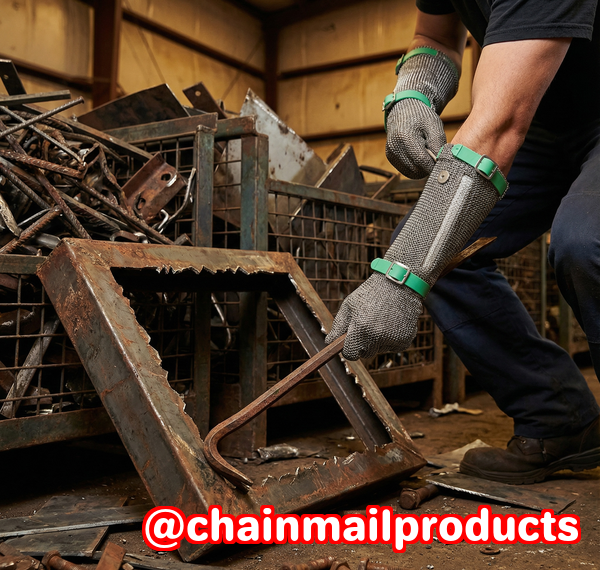
Understanding the Pain Points: What Makes Chainmail Quality So Confusing?
For many buyers, whether you’re an industrial user, a collector, or a cosplayer, buying high-quality chainmail can feel like navigating a maze. There are several challenges that can make this process more frustrating than it needs to be:
-
Distinguishing between welded rings and open rings: One of the most common mistakes is not understanding the difference between welded and open rings. While open rings might work for decorative pieces, they offer little to no protection in terms of cut resistance. A weld holds each ring firmly in place, creating a robust shield against abrasion and cuts.
-
Understanding stainless steel grades: You might come across chainmail labeled as “stainless steel,” but not all stainless steel is created equal. The two most common grades used in high-quality chainmail are 304 and 316 stainless steel. The difference in corrosion resistance can make or break the durability of the product, especially if it’s exposed to moisture or chemicals.
-
Inconsistent or weak weaves: Weave patterns, such as the popular European 4-in-1, play a huge role in how strong your chainmail is. A poor weave can result in gaps, which means less protection. If the weave isn’t tight enough, the rings might pull apart under stress, rendering the chainmail ineffective.
How Aegimesh Chainmail Solves These Problems
Aegimesh is designed with these concerns in mind, providing high-quality, durable chainmail that’s easy to evaluate with a few simple inspection steps. Whether you’re purchasing chainmail for industrial cut protection, historical reenactments, or a cosplay project, Aegimesh offers a practical solution for discerning the true quality of your chainmail. Here’s how you can evaluate any chainmail product like a pro.
Step-by-Step Guide to Inspecting Chainmail Quality
1. Material Matters: 304 vs. 316 Stainless Steel
When you purchase chainmail, the type of stainless steel used is a key factor in determining its longevity and strength. Stainless steel is resistant to rust and corrosion, but there are variations depending on the grade. Here’s what you need to know:
-
304 Stainless Steel: This is the most common stainless steel grade used in chainmail. It offers good rust resistance and is fairly durable, but it’s not the best choice for environments with harsh conditions or exposure to moisture.
-
316 Stainless Steel: Often referred to as “marine-grade,” 316 stainless steel is superior in terms of corrosion resistance, particularly in salty or moist environments. This makes it an ideal choice for industrial uses or food processing, where the chainmail might come into contact with water or other liquids.
Tip: Always check the product description or ask the supplier if the chainmail is made from 304 or 316 stainless steel. If it’s not specified, that could be a red flag.
2. Inspecting the Rings: Welded vs. Open Rings
One of the most important aspects of chainmail quality is the rings. Let’s talk about the two main types:
-
Welded Rings: These are rings where the ends have been fused together using heat or a welding process. Welded rings are essential for strong, durable chainmail, especially for cut-resistant or safety purposes. They prevent the rings from opening under stress and ensure the chainmail holds together under pressure.
-
Open Rings: These rings are simply bent into shape, and they can come apart with very little force. Open rings might be fine for decorative chainmail, but they don’t offer the strength or protection required for industrial or heavy-duty applications.
Tip: Always check the rings visuallyif the ends of the rings aren’t fused together, you might be looking at a low-quality product.
3. Weave Pattern: European 4-in-1 and Other Strong Designs
A weave pattern is the structure that holds your chainmail together. The most common, and one of the strongest, is the European 4-in-1 pattern. This means that each ring is woven through four others, providing maximum strength and resistance. Other patterns may be used in different styles of chainmail, but you’ll often find European 4-in-1 to be the gold standard for strength.
-
European 4-in-1: The rings are placed in a grid-like formation where each one is linked to four others. This pattern ensures that the chainmail is durable and won’t easily tear or come apart.
-
Other Weaves: Other patterns, such as 6-in-1, offer even more protection but might be more rigid or difficult to work with, depending on your needs.
Tip: Look for evenly placed rings and consistent spacing. A poorly constructed weave might indicate a lower-quality product.
Practical Tips for Inspecting Chainmail
Here are a few easy-to-follow tips to help you evaluate chainmail like an expert:
-
The Pull Test: Gently pull on the rings to ensure they stay connected. If they move or pull apart too easily, the chainmail is likely not up to standard.
-
Corrosion Check: Look for signs of rust or corrosion. Even a small amount of rust could compromise the strength of the chainmail. High-quality stainless steel chainmail should not rust easily, especially if it’s 316 stainless steel.
-
Craftsmanship Quality: Pay attention to how well the rings are aligned. Any irregularities in the weave or mismatched rings could indicate poor craftsmanship or a product that won’t stand the test of time.
-
Fit for Purpose: Consider the specific use case for your chainmail. If you’re using it for food processing, make sure it’s designed for that environment. If it’s for cosplay, make sure it provides the aesthetic you’re after without sacrificing comfort.
Conclusion: How to Avoid Low-Quality Chainmail
After reading this guide, I hope you feel more confident in your ability to evaluate chainmail quality. Remember that proper inspection can save you time, money, and frustration, ensuring that you get a product that meets your needs, whether it’s for protection, historical reenactment, or a unique cosplay costume.
When in doubt, always look for welded rings, high-quality stainless steel (preferably 316), and a tight, consistent weave. If you follow these steps, you’ll easily be able to spot low-quality or unsafe chainmail and avoid making a poor purchase.
I highly recommend following these steps to ensure any chainmail purchase meets safety and durability standards.
Learn more about identifying high-quality chainmail products: Aegimesh Chainmail Guide
FAQs
1. How can I tell if a chainmail ring is welded or open?
Welded rings will have visible seams where the ends are fused together, while open rings will simply be bent into shape without any joining at the ends.
2. Which stainless steel grade is best for long-lasting chainmail?
316 stainless steel offers superior corrosion resistance, especially in humid or wet environments. It’s ideal for industrial or food-related uses.
3. How do I inspect the weave pattern for strength?
Look for even ring placement and consistent spacing. The European 4-in-1 pattern is a reliable, strong weave. Avoid loose, uneven weaves that might indicate poor craftsmanship.
4. What are the signs of low-quality or unsafe chainmail?
Signs of low-quality chainmail include open rings, inconsistent weaves, rust or corrosion, and flimsy material that pulls apart easily.
5. Can decorative chainmail be used for protective purposes?
Decorative chainmail typically uses open rings and lighter materials, making it unsuitable for protection. Always choose welded rings and thicker steel for safety applications.
6. How do I choose the right chainmail for industrial vs. cosplay use?
For industrial use, choose chainmail made from 316 stainless steel with a tight, durable weave like European 4-in-1. For cosplay, you can focus more on aesthetic and comfort, but still look for quality craftsmanship.
Tags or Keywords
-
chainmail quality
-
welded rings
-
stainless steel chainmail
-
cut-resistant chainmail
-
chainmail inspection
-
European 4-in-1 weave
-
chainmail durability