
Steel Metal Chainmail for Safety Managers: How to Identify High-Quality Chainmail for Industrial and Protective Use
When purchasing chainmail, whether for industrial safety, food handling, or even cosplay, you’ve probably faced the challenge of distinguishing quality products from low-grade imitations. It’s easy to assume that all chainmail is created equal, but nothing could be further from the truth. A well-made chainmail product is essential for its intended purpose, especially when safety is involved. However, identifying top-tier chainmail can be tricky, especially with the variety of materials and weaves available. So, how do you ensure you’re buying something that will stand up to the test?
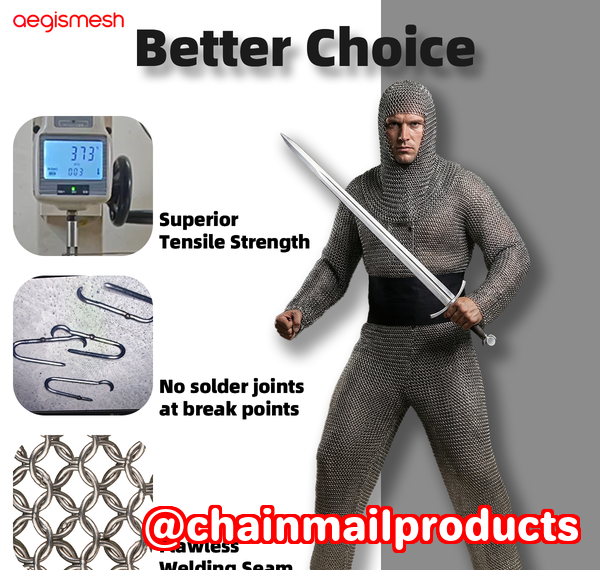
In this guide, I’ll walk you through the key aspects of chainmail inspection and provide practical tips for identifying high-quality, durable, and safe products. Let’s dive in and make sure that every chainmail purchase you make is a smart one.
Common Chainmail Pain Points: What to Watch Out For
When evaluating chainmail, a few common pitfalls often trip up buyers. Here are some of the main issues you might face:
-
Welded vs. Open Rings:
A major point of confusion is distinguishing welded rings from open rings. Welded rings are far superior in durability, as they stay intact under stress. Open rings, on the other hand, are more prone to coming apart, especially under pressure or after repeated use. Recognizing the difference can save you from purchasing a chainmail product that will fail at the worst possible time.
-
Corrosion Resistance and Stainless Steel Grades:
Not all stainless steel is created equal. There are different grades of stainless steel used in chainmail, each with varying levels of corrosion resistance and strength. The two most common grades used are 304 stainless steel and 316 stainless steel. While 304 is suitable for many uses, 316 stainless steel offers higher corrosion resistance, making it a better option for harsh environments like food processing or industrial settings.
-
Weak Weave Patterns:
The strength of chainmail isn’t just about the materialit’s also about the weave. Some weaves are simply stronger than others, and a poor-quality weave can compromise the overall durability of the chainmail. For example, European 4-in-1 weave is known for its strength and tightness, making it ideal for both protective and decorative purposes.
These are just a few of the challenges I’ve encountered in my experience, but with the right knowledge, you can easily navigate these pitfalls. Let’s take a deeper dive into how you can assess chainmail quality and avoid making costly mistakes.
How to Inspect Chainmail Quality: The Key to Making an Informed Purchase
To make sure you’re buying the best chainmail for your needswhether for industrial cut protection, food handling, or even historical reenactmentshere are the critical aspects to look out for:
1. Check the Material Type: Stainless Steel 304 vs. 316
Not all stainless steel is equally strong or resistant to corrosion. 304 stainless steel is the most commonly used grade and offers decent resistance to rust. However, if you’re buying chainmail for industrial use or food handling, I’d highly recommend going for 316 stainless steel. This grade offers significantly better resistance to corrosion, particularly in environments exposed to chemicals or salty water. For everyday wear or cosplay, 304 will likely do the job just fine, but for heavy-duty applications, don’t skimp on 316.
2. Inspect the Ring Welding
One of the most important tests to perform when evaluating chainmail is whether the rings are welded or open. Welded rings are far superior, as they provide a much stronger and more durable connection. Open rings can come apart over time, especially when exposed to tension. Here’s a simple way to check:
-
Look closely at the ring edges: If the ends of the ring are fused together (without any visible gap), they are welded.
-
Do a pull test: Gently tug on a small section of chainmail to see if any rings come apart. Welded rings should hold firm.
3. Evaluate Wire Thickness and Ring Diameter
The thickness of the wire and diameter of the rings will play a big role in the durability of the chainmail. For protective purposes, you’ll want thicker wire and smaller ring diameters, as they form a tighter, stronger weave. For cosplay or decorative uses, the wire thickness and ring size might be more about aesthetic preference, but they still impact the overall strength of the piece.
-
For protective chainmail, aim for a wire thickness of 16 gauge or 14 gauge. Thicker wire will provide more resistance to cuts and abrasions.
-
Ring diameter is typically measured by the inner diameter (ID), and a good rule of thumb is to choose a diameter that is 3/8 inch or smaller for enhanced durability.
4. Check the Weave Pattern
The weave pattern of chainmail plays a big part in its strength. The most common weave used for durable chainmail is European 4-in-1, which refers to how the rings interlock with each other. This weave pattern is excellent for both strength and flexibility, and it’s the go-to choice for high-quality protective chainmail.
-
European 4-in-1 offers excellent protection because each ring is interwoven with four others, creating a dense, solid structure.
-
Weaves like 6-in-1 and 8-in-1 are even stronger but might be too rigid for certain applications.
5. Perform the Pull Test
A simple and effective test you can do to check the quality of the chainmail is the pull test. Hold a small section of the chainmail and tug on it. If the rings don’t budge, you’re looking at a sturdy piece. If the rings pull apart easily, you might want to reconsider that purchase.
6. Look for Signs of Corrosion or Rust
Even stainless steel can rust under the right conditions. Before buying any chainmail, inspect the product for signs of corrosion or rust. Even a small amount of rust can indicate that the product wasn’t properly manufactured or has been exposed to conditions it shouldn’t have been.
Why Proper Inspection Matters: Avoiding Low-Quality or Unsafe Chainmail
By following the above inspection tips, you can:
-
Avoid unsafe purchases: Whether you need chainmail for food handling or industrial cut protection, ensuring that the product is high-quality and properly constructed will protect you from potential safety risks.
-
Ensure durability: Knowing how to check the material and weave patterns will ensure your chainmail lasts for years, whether you’re using it for cosplay, reenactments, or heavy-duty industrial work.
-
Save money: By identifying low-quality chainmail before purchasing, you avoid wasting money on products that will fail to meet your needs.
Key Takeaways
-
Inspect the material type to ensure you’re getting the right stainless steel.
-
Welded rings are a must for durability.
-
Look for the right wire thickness and ring diameter based on your use case.
-
Use the European 4-in-1 weave for the most reliable strength.
-
Always check for rust or corrosion as early warning signs.
Conclusion: A Simple Guide to Ensuring Quality Chainmail
I highly recommend following these steps to ensure any chainmail purchase meets safety and durability standards. Whether you’re buying chainmail for industrial use, cosplay, or food processing, knowing how to evaluate the quality of a product will save you money and protect you from potential hazards.
If you’re in the market for high-quality chainmail, I strongly encourage you to check out our detailed chainmail inspection guide at Aegimesh.com.
FAQ
1. How can I tell if a chainmail ring is welded or open?
Check the edges of the ring: welded rings will have fused ends, while open rings will show a small gap. A simple tug test can also help.
2. Which stainless steel grade is best for long-lasting chainmail?
For long-lasting chainmail, 316 stainless steel is your best bet due to its superior corrosion resistance, especially for industrial or food-related applications.
3. How do I inspect the weave pattern for strength?
Look for a European 4-in-1 weave for strength and flexibility. This pattern provides durability while still allowing for movement.
4. What are the signs of low-quality or unsafe chainmail?
Signs of low-quality chainmail include open rings, weak or inconsistent weaves, and visible rust or corrosion.
5. Can decorative chainmail be used for protective purposes?
While decorative chainmail can look great, it typically isn’t as durable or protective as chainmail designed for industrial or safety use.
6. How do I choose the right chainmail for industrial vs cosplay use?
For industrial use, prioritize 316 stainless steel, welded rings, and tight weaves like European 4-in-1. For cosplay, 304 stainless steel and looser weaves may suffice, but ensure the piece is durable enough to last through wear and tear.
Tags or Keywords
-
Chainmail quality
-
Welded rings
-
Stainless steel chainmail
-
Cut-resistant chainmail
-
Chainmail inspection
-
European 4-in-1 weave
-
Chainmail durability