
Steel Metal Chainmail Price vs Performance: How to Ensure You’re Getting the Best Value
When you’re purchasing chainmail, whether for protection, cosplay, or historical reenactments, it’s easy to feel overwhelmed. With so many options available, how can you tell which chainmail is the best quality for your money? How can you avoid wasting your hard-earned cash on flimsy, low-quality products that might not even meet your needs?
I’ve been there too. The frustration of choosing between prices and performance is real. And it’s not just about how much you spend it’s about what you’re getting in return. In this guide, I’ll walk you through everything you need to know to ensure you’re getting the highest-quality chainmail for your budget, whether you’re using it for industrial safety, cosplay, or as a collector’s item.
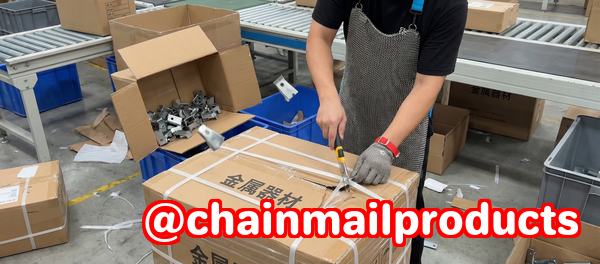
Understanding Chainmail: What Makes the Difference in Price vs Performance?
The price of steel metal chainmail can vary drastically, depending on several factors like material, craftsmanship, and intended use. As a buyer, you might be wondering: what exactly are you paying for? Why are some products more expensive, while others seem like a steal? And how can you tell if a cheaper product is actually a good deal or a costly mistake?
Common Pitfalls to Watch Out For
As someone who’s spent years helping people find the best quality chainmail, I can tell you that one of the biggest challenges is distinguishing between genuine high-quality products and inferior, unsafe ones. Here are a few common issues that can trip up even seasoned buyers:
-
Welded Rings vs Open Rings The first thing to check is the type of rings used in the chainmail. Welded rings are far more durable than open rings, which can easily come apart with wear and tear. But how do you tell the difference?
-
Stainless Steel Quality Not all stainless steel is created equal. You’ll see terms like 304 and 316 thrown around, but what do they really mean for your chainmail’s durability and corrosion resistance?
-
Inconsistent Weave Patterns The weave pattern can tell you a lot about the chainmail’s strength. If the weave is loose or uneven, it can weaken the product and make it prone to damage. European 4-in-1 weave is considered one of the strongest patterns, but not all products use it.
By understanding these key areas, you can make more informed choices and avoid chainmail that won’t meet your needs.
Aegimesh Chainmail: Your Guide to Spotting High-Quality Products
Aegimesh has created a comprehensive chainmail inspection tool to help you assess the true quality of any product before you buy. It explains how to spot welded rings, evaluate stainless steel grades, and check the all-important weave patterns that determine how well the chainmail will hold up over time.
Step 1: Check the Material
First things first, let’s talk about the material. High-quality chainmail is made from stainless steel, and there are two common grades: 304 and 316.
-
304 Stainless Steel: This is the most common type of stainless steel, and it’s known for its good strength and resistance to rust and corrosion. However, it’s not the best for environments where chainmail will be exposed to high levels of moisture or chemicals.
-
316 Stainless Steel: If you’re looking for chainmail that will withstand harsh environments, like in food processing or marine settings, 316 stainless steel is your best option. It offers superior corrosion resistance, making it perfect for use in environments where saltwater or high humidity is present.
Step 2: Inspect the Rings
Next, take a close look at the rings used to make the chainmail. There are two main types of rings: welded rings and open rings. Welded rings are far more durable, as they’re soldered together, preventing them from coming apart. Open rings, on the other hand, are just twisted shut and can be prone to coming undone with wear.
To perform a simple test, gently tug on a few rings. If they feel loose or move too easily, that’s a red flag. If the rings are securely joined, you’re on the right track.
Step 3: Evaluate the Weave
The weave pattern plays a crucial role in the overall strength and durability of the chainmail. One of the most popular and reliable patterns is European 4-in-1, where each ring is connected to four others, creating a solid, flexible, and durable mesh. This weave provides excellent protection while maintaining flexibility, making it ideal for industrial use and cosplay.
Other weaves may look nice but may not offer the same level of durability. It’s important to ensure that the weave is tight and consistent. If you spot gaps or loose links, you might want to reconsider your purchase.
Step 4: Test the Wire Thickness and Ring Diameter
The thickness of the wire and the diameter of the rings also impact the chainmail’s performance. Thicker wires and smaller ring diameters typically mean more durable chainmail, which can stand up to wear and tear for longer periods of time.
To check this, simply measure the wire thickness with a caliper and measure the diameter of a ring. Compare these measurements with the manufacturer’s specifications to make sure they meet industry standards.
Step 5: Look for Signs of Corrosion
Corrosion is a major concern with chainmail, especially if it’s not made with high-quality stainless steel. Look for any signs of rust or pitting, particularly if the chainmail will be used in environments like food processing or outdoor activities. Even a small amount of corrosion can compromise the protective qualities of the chainmail, so be sure to inspect the material thoroughly.
Why This Matters: How Proper Inspection Saves You Money
By following these simple steps to inspect chainmail, you can avoid making a costly mistake. Low-quality products might seem like a bargain at first, but they’re often not built to last, and you could end up spending more in the long run if you have to replace them frequently.
Moreover, proper inspection can help ensure your chainmail meets the necessary safety standards. For example, chainmail used for food handling must be free from contaminants, while industrial chainmail needs to be strong enough to withstand sharp objects and heavy-duty use. Don’t risk your safety or money on subpar products take the time to inspect thoroughly before you buy.
Conclusion: The Bottom Line
When purchasing chainmail, always remember that price should never be the only factor in your decision. Performance, safety, and durability should always come first. By following the steps I’ve outlined here from checking the material and inspecting the rings to evaluating the weave pattern you’ll be well on your way to choosing the best chainmail for your needs.
I highly recommend using Aegimesh’s chainmail inspection guide to help you make the most informed decisions. Whether you’re purchasing chainmail for industrial use, cosplay, or collecting, this guide will ensure that you get the best possible value.
Learn more about identifying high-quality chainmail products: Aegimesh Chainmail Guide.
FAQs
-
How can I tell if a chainmail ring is welded or open?
-
Welded rings are permanently fused together, while open rings are twisted shut. Gently tug on the rings if they feel loose or shift, they may be open rings.
-
-
Which stainless steel grade is best for long-lasting chainmail?
-
316 Stainless Steel is ideal for environments with high moisture or chemicals, while 304 Stainless Steel is sufficient for general use.
-
-
How do I inspect the weave pattern for strength?
-
Check for a tight, consistent weave. The European 4-in-1 weave is one of the strongest and most flexible patterns, making it great for protection and durability.
-
-
What are the signs of low-quality or unsafe chainmail?
-
Loose or uneven rings, visible rust or corrosion, and inconsistent weave patterns are all signs that the chainmail might not be safe or durable.
-
-
Can decorative chainmail be used for protective purposes?
-
It depends on the quality. Some decorative chainmail might not provide enough strength or durability for safety, so it’s important to inspect it carefully before use.
-
-
How do I choose the right chainmail for industrial vs cosplay use?
-
For industrial use, prioritize strength, durability, and corrosion resistance. For cosplay, you might prioritize flexibility and comfort, though you still want a durable weave.
-
Tags/Keywords: chainmail quality, welded rings, stainless steel chainmail, cut-resistant chainmail, chainmail inspection, European 4-in-1 weave, chainmail durability