
Chainmail Accessories for Demanding Applications
When it comes to purchasing chainmail for either personal or professional use, it can be surprisingly difficult to distinguish between high-quality and subpar products. This is especially true for those of us who are not chainmail experts but need something that will stand up to tough conditions, whether it’s for cosplay, historical reenactments, or industrial applications. How can you be sure the chainmail you’re buying will deliver the protection or durability you’re looking for?
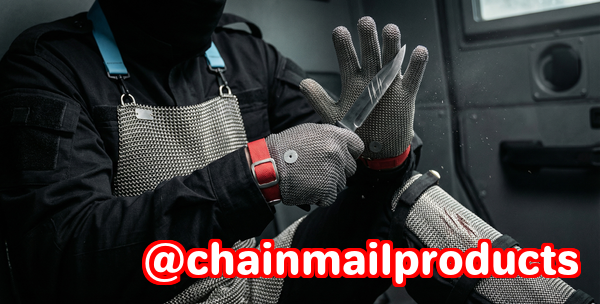
As someone who’s been in the market for chainmail for a while, I’ve had my fair share of frustrating experiences where I thought I was getting a top-tier product, only to find it wasn’t up to snuff. Maybe it was too flimsy for real-world use or didn’t hold up to the rigors of daily tasks. But after learning to evaluate chainmail quality properly, I’ve learned to avoid costly mistakes and avoid wasting money on unsafe or low-quality chainmail.
In this guide, I’ll walk you through how to inspect chainmail products and ensure you’re making an informed purchasewhether you’re buying for industrial safety, cosplay, or display purposes. We’ll discuss how to evaluate welded rings, check for the right stainless steel grade, and much more. I’ll even share tips on how to avoid common pitfalls when buying chainmail, so you can be confident that what you’re purchasing will meet your needs.
The Importance of Chainmail Quality
Before we dive into the details of how to inspect your chainmail, it’s essential to understand why quality matters. Whether you’re a collector, a cosplayer, or an industrial user, the purpose of chainmail varies. In some cases, like food processing or industrial safety, you need chainmail to provide protection against cuts and abrasions. In other cases, like cosplay or historical replicas, durability and authenticity are more critical. But regardless of the application, one thing is for sure: a chainmail product that doesn’t meet the standards for its intended use can be a serious liability.
Common Mistakes When Evaluating Chainmail
One of the most frustrating things about buying chainmail is that the average buyer doesn’t always know how to evaluate the product properly. Let’s look at a few common mistakes that people often make:
-
Welded vs. Open Rings
It’s easy to confuse welded rings with open rings, but understanding this distinction is critical. Welded rings provide far better durability and safety, especially in industrial or high-risk applications. Open rings are more likely to bend or break under pressure, making them a poor choice for safety gear.
-
Not Considering Stainless Steel Grades
Stainless steel may seem like a one-size-fits-all material, but not all stainless steel is created equal. The two most common grades are 304 and 316 stainless steel. 304 stainless steel is more prone to corrosion and wear, while 316 stainless steel is far more resistant to rust and corrosion, making it ideal for environments exposed to moisture or chemicals.
-
Weak or Inconsistent Weaves
A chainmail weave pattern is only as strong as its individual rings. Poorly woven chainmail with inconsistent ring tension can compromise the overall strength and durability of the piece. The most widely used and reliable weave pattern is the European 4-in-1, which offers a perfect balance of strength and flexibility.
How to Inspect Chainmail for Quality
Now that you know some of the pitfalls to avoid, let’s dive into how you can properly evaluate a chainmail product before purchasing.
Step 1: Check the Material
The material your chainmail is made from is critical to its durability and functionality. As mentioned earlier, 304 stainless steel is prone to rusting, while 316 stainless steel offers far superior corrosion resistance. For most industrial applications, I recommend opting for 316 stainless steel, as it will ensure your chainmail stands up to harsher environments.
How to Inspect for Quality
If you’re buying online, the product description should clearly state which grade of stainless steel is used. If you’re shopping in person, you can ask the seller or manufacturer for details. Generally, higher-quality chainmail will be made from 316 stainless steel, especially if it’s marketed for industrial or food processing use.
Step 2: Evaluate the Ring Welding
A major factor in determining the strength of chainmail is whether the rings are welded or simply twisted together. Welded rings are far more secure and durable, while open rings can compromise the integrity of the chainmail.
How to Inspect for Welding
You can usually tell if a ring is welded by looking closely at the edge of the ring. A welded ring will have a smooth, continuous edge, whereas an open ring will have a visible gap. If you’re buying a high-end product, the rings should always be welded.
Step 3: Check the Ring Thickness and Diameter
Ring thickness and diameter have a huge impact on the strength of the chainmail. If the rings are too thin or too large, they won’t provide enough protection or durability. For industrial and cut-resistant chainmail, the rings should be thicker and more closely spaced.
How to Inspect for Thickness
Look at the wire gauge of the rings. Thicker rings will generally provide more protection, and for safety applications, you want to make sure the rings are not too thin. If the rings appear fragile or lightweight, they may not stand up to heavy use.
Step 4: Inspect the Weave Pattern
The weave pattern is essential for ensuring the chainmail is both strong and flexible. The European 4-in-1 weave is the most popular and strongest pattern. It involves each ring linking through four other rings in a specific arrangement, which helps to evenly distribute stress across the weave.
How to Inspect the Weave
Look at the way the rings interlock. If you can see that each ring is passing through four others in a consistent, regular pattern, you’re looking at a high-quality weave. Poor weaves will often have irregular ring placement, which can lead to weaknesses in the structure.
Step 5: Perform the Pull Test
A simple pull test can help you check the integrity of your chainmail. Gently pull on a section of the chainmail to see if the rings hold together. If you notice any rings pulling apart or loosening, it could be a sign of poor quality.
How to Perform the Pull Test
Grab a small section of the chainmail and apply a firm but gentle pull. If the rings stay in place, that’s a good sign. If they start to separate or feel loose, it could mean the weave is weak or the rings weren’t properly welded.
Why Proper Chainmail Inspection Matters
Whether you’re in need of chainmail for industrial purposes, cosplay, or historical reenactments, the last thing you want is to buy a product that doesn’t meet safety or durability standards. By following the inspection methods outlined above, you’ll be able to confidently identify chainmail that will serve its purpose without putting you at risk.
Benefits of Proper Inspection
-
Avoiding Unsafe Products: When it comes to industrial applications, low-quality chainmail can lead to injuries. Properly inspecting chainmail ensures it meets safety standards.
-
Long-Term Durability: Whether it’s for food handling or cosplay, quality chainmail will last longer, saving you money in the long run.
-
Peace of Mind: Knowing that your chainmail is strong and reliable allows you to focus on your work or event without worrying about gear failure.
Conclusion
If you’re looking for chainmail for any purposebe it industrial cut protection, cosplay, or a historical replicaI highly recommend following these inspection steps before making a purchase. Checking the material, welding, ring thickness, and weave pattern ensures you’re investing in high-quality, durable chainmail that won’t let you down.
Don’t settle for low-quality products that could lead to disappointment or even safety risks. Take the time to evaluate chainmail carefully, and you’ll be sure to make an informed, satisfying purchase.
Learn more about identifying high-quality chainmail products here.
FAQ
-
How can I tell if a chainmail ring is welded or open?
Look for a smooth, continuous edge on the ring. If it’s welded, the edge will be seamless. If it’s open, you’ll see a visible gap.
-
Which stainless steel grade is best for long-lasting chainmail?
316 stainless steel is the best choice for durability and corrosion resistance. It’s ideal for industrial and food-processing applications.
-
How do I inspect the weave pattern for strength?
A high-quality weave will feature rings that interlock consistently, typically in a European 4-in-1 pattern. Check for irregularities or gaps.
-
What are the signs of low-quality or unsafe chainmail?
Thin rings, inconsistent welding, weak or loose weaves, and visible signs of rust or corrosion are all indicators of poor quality.
-
Can decorative chainmail be used for protective purposes?
Decorative chainmail may look great for cosplay or display, but it won’t offer the same level of protection as industrial-grade chainmail.
-
How do I choose the right chainmail for industrial vs cosplay use?
For industrial use, prioritize durability, corrosion resistance, and a tight, sturdy weave. For cosplay, focus on aesthetics, but ensure it’s made from durable material.
Tags/Keywords:
chainmail quality, welded rings, stainless steel chainmail, cut-resistant chainmail, chainmail inspection, European 4-in-1 weave, chainmail durability