
Chainmail Accessories Built for Daily Industrial Use
When purchasing chainmail for protection or display, I often struggle to know which products are genuinely high-quality. With so many options on the marketranging from protective gear for industrial use to decorative cosplay pieceshow can you be sure you’re investing in something that’s durable, safe, and reliable? Whether you’re a professional buyer, a collector, or someone just getting into the world of chainmail, understanding how to evaluate its quality is crucial. Today, I’ll walk you through the essential steps to ensure that the chainmail you’re considering meets the highest standards of safety and durability.
Why Quality Chainmail Matters
A lot of buyers make the mistake of thinking that all chainmail is created equal. It’s easy to be drawn to eye-catching designs or to trust the price tag, but the truth is that not all chainmail products are suitable for professional use, let alone long-term wear. Low-quality chainmail can lead to serious issues, especially when used for industrial or safety applications. Imagine trusting a pair of chainmail gloves for food processing only to find that the rings aren’t welded properly or the weave is too weak to withstand repeated use. Or picture investing in an expensive cosplay set that falls apart after one event because the materials were subpar.
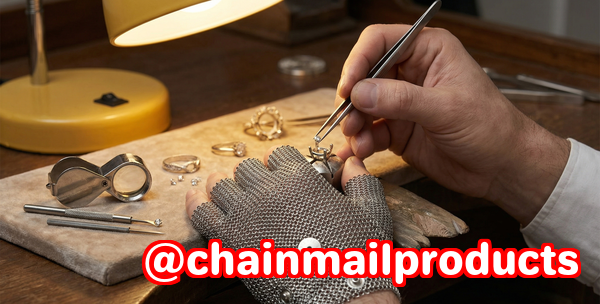
That’s why proper inspection is so important. It’s not just about aestheticsit’s about functionality, safety, and durability. Here are some key things to look for when evaluating chainmail quality.
Common Pain Points When Buying Chainmail
1. Welded Rings vs Open Rings
One of the most common mistakes buyers make is not knowing the difference between welded and open rings. It’s tempting to think that all chainmail is made the same way, but the welding process plays a crucial role in its strength. Welded rings are permanently fused together, creating a more robust, secure weave that can handle heavy-duty use. On the other hand, open rings can be pulled apart with relative ease, weakening the entire piece of chainmail.
2. Stainless Steel Grades: 304 vs 316
Not all stainless steel is the same, and this is a key factor in determining chainmail durability. The two most common grades used in chainmail products are 304 and 316. While both are resistant to rust and corrosion, 316 stainless steel is a higher-quality, more corrosion-resistant material. This is especially important if the chainmail will be exposed to harsh environments, like food processing or industrial work where exposure to moisture and chemicals is common.
3. Weak or Inconsistent Weaves
Another issue is uneven or weak weaving. The classic European 4-in-1 weave, which involves interlocking four rings through a single central ring, is a tried-and-tested pattern for strength and durability. However, some manufacturers cut corners and fail to maintain the integrity of the weave, leading to weaker points in the structure. A weak weave can cause the chainmail to tear more easily or lose its protective qualities over time.
The Aegimesh Solution: A Step-by-Step Guide for Inspecting Chainmail Quality
Fortunately, inspecting the quality of chainmail is not as difficult as it may seem. Here are some practical tips you can follow to ensure that your chainmail is top-notch.
1. Check the Material
The first step in assessing chainmail quality is to check the material. As mentioned, there are different grades of stainless steel304 and 316. While 304 stainless steel is widely used and offers good corrosion resistance, if you’re looking for maximum durability, especially for industrial or food-processing applications, 316 stainless steel is the better choice. The added molybdenum in 316 steel makes it more resistant to chlorides and other chemicals, making it the go-to for environments where exposure to moisture is inevitable.
Quick Tip: If you’re buying chainmail for heavy-duty industrial use or exposure to harsh elements, make sure to choose 316 stainless steel. It may be more expensive, but the added durability is well worth the investment.
2. Inspect the Ring Welding
A major factor that separates high-quality chainmail from low-quality knock-offs is the type of rings used. Welded rings are far superior to open rings because they’re more durable and secure. Open rings can be pulled apart with minimal effort, which compromises the integrity of the entire weave.
Quick Tip: Gently tug on a few rings. If they’re welded, they should stay securely in place. If they’re open, they may bend or come apart under slight pressure.
3. Evaluate the Weave Pattern
When assessing chainmail, one of the most important factors to consider is the weave pattern. A proper European 4-in-1 weave provides strength and resistance to cuts, making it the ideal choice for industrial or protective use. The consistency and uniformity of the weave are vital. A weak or inconsistent weave will reduce the overall strength and could lead to failures in critical areas.
Quick Tip: Check for uniformity in the weave. The rings should be consistently aligned and interlocked in a regular pattern. If there’s any irregularity, it could be a sign of poor craftsmanship.
4. Assess Ring Thickness and Inner Diameter
Ring thickness and inner diameter directly affect the durability and flexibility of the chainmail. Thicker rings generally offer better protection, while thinner rings may be more flexible but less durable. Likewise, the inner diameter (ID) of the rings determines how tightly the chainmail will sit together. Too large of an ID can cause the rings to shift or gap, leading to weaker protection.
Quick Tip: Measure the thickness and inner diameter of the rings if possible. A thicker ring and smaller ID typically indicate a stronger, more durable product.
5. Conduct a Pull Test
One of the simplest ways to check chainmail strength is the pull test. Gently pull on a few rings to see if the weave holds up under pressure. While it shouldn’t break immediately, a weak weave may stretch or even snap under relatively low tension. This is a red flag, especially if you plan to use the chainmail for industrial or safety purposes.
Quick Tip: Always test a few rings before committing to a purchase, especially if you’re buying in bulk. It’s better to catch potential issues early.
6. Look for Signs of Corrosion
While stainless steel is known for its corrosion resistance, even high-quality chainmail can suffer from corrosion if it’s not properly maintained or if the material is of poor quality. Check for any signs of rust or discoloration, especially on rings that may have been exposed to moisture. Corrosion is a clear sign of poor material or manufacturing.
Quick Tip: Keep an eye out for any signs of rust, especially if the chainmail will be exposed to moisture. If you notice any discoloration, it’s a sign that the quality may not be up to par.
7. Choosing the Right Chainmail for the Job
Finally, make sure the chainmail you’re considering is suitable for your intended use. Industrial applications, like cut-resistant gloves for food processing, require durable, high-quality chainmail that can withstand constant wear and tear. For cosplay or decorative purposes, the chainmail may not need to be as durable but should still look authentic and have good craftsmanship.
Quick Tip: Know your use case and choose chainmail accordingly. Industrial-grade chainmail should always have welded rings, thicker wires, and a strong weave, while decorative pieces can afford to be lighter and more flexible.
Conclusion: Invest in Quality, Save in the Long Run
When it comes to buying chainmail, whether for industrial use, cosplay, or as a collector’s item, it’s important to inspect quality at every step. By paying attention to material, ring welding, weave patterns, and overall craftsmanship, you can ensure that your chainmail purchase is not only safe but also long-lasting. I highly recommend following these steps to ensure any chainmail purchase meets safety and durability standards.
For more detailed guidance and expert tips, check out Aegimesh’s full chainmail inspection guide today at Aegimesh.
FAQ
1. How can I tell if a chainmail ring is welded or open?
-
Gently tug on the rings. Welded rings will stay firmly in place, while open rings may bend or come apart with minimal pressure.
2. Which stainless steel grade is best for long-lasting chainmail?
-
316 stainless steel is the best choice for industrial or food-processing applications due to its higher corrosion resistance.
3. How do I inspect the weave pattern for strength?
-
Check for a consistent European 4-in-1 weave pattern with uniformly aligned rings. Irregularities may indicate poor craftsmanship.
4. What are the signs of low-quality or unsafe chainmail?
-
Look for inconsistent weaves, loose or open rings, signs of corrosion, and ring bending. Any of these could signal poor durability.
5. Can decorative chainmail be used for protective purposes?
-
Decorative chainmail is typically not as durable or strong as industrial-grade chainmail and should not be relied on for safety.
6. How do I choose the right chainmail for industrial vs cosplay use?
-
For industrial applications, always choose welded rings, thick wires, and a strong weave. For cosplay, flexibility and appearance are more important, but good craftsmanship is still essential.
Tags or Keywords
-
chainmail quality, welded rings, stainless steel chainmail, cut-resistant chainmail, chainmail inspection, European 4-in-1 weave, chainmail durability